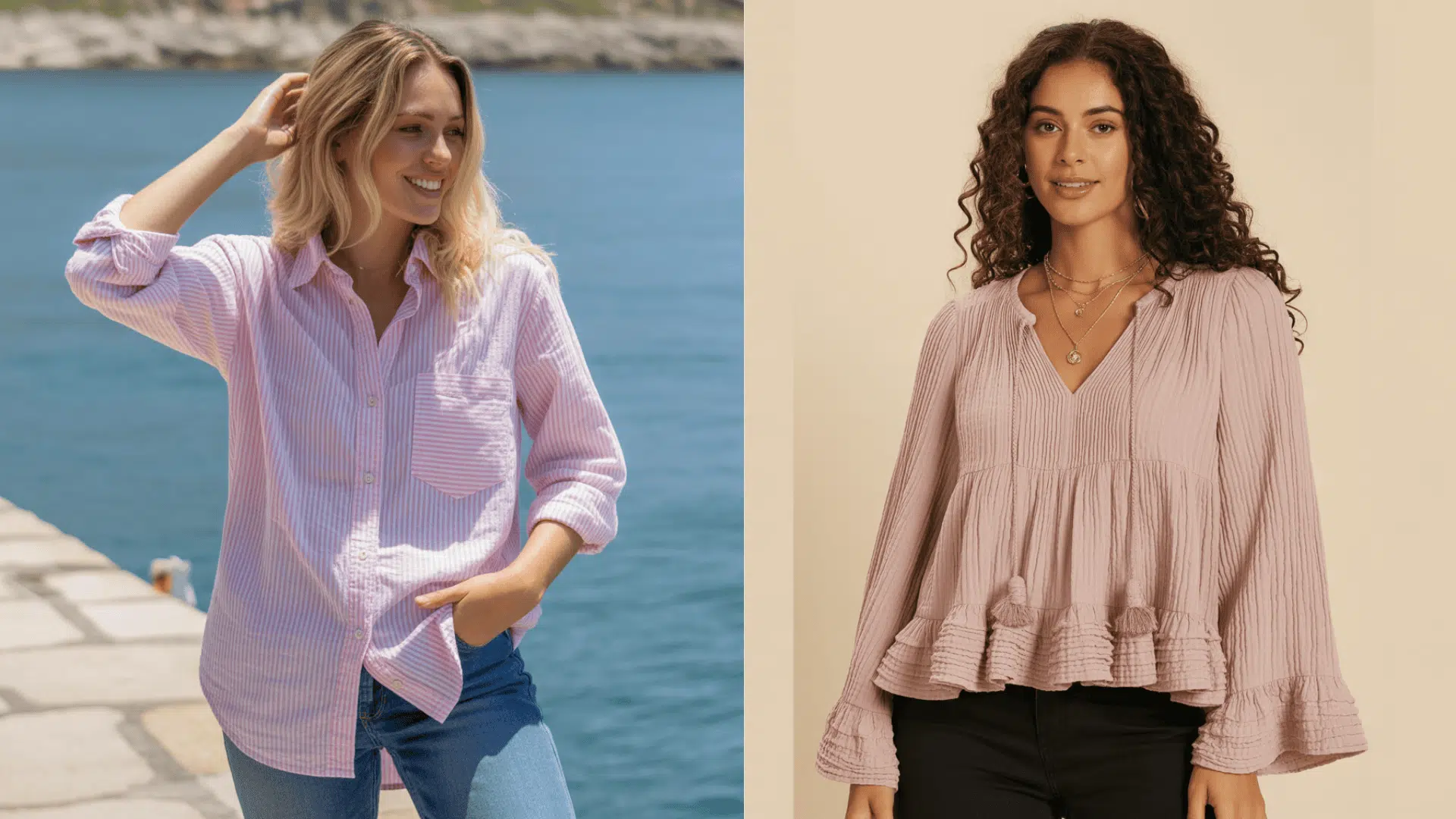
Blouse or shirt? These two terms are often confused.
You stand in front of your closet, unsure which top to wear for the occasion. The confusion is real. Many women struggle to tell these garments apart.
Retailers don’t help either. They label products differently, making shopping even harder.
Here’s the good news. Once you know the key differences, choosing becomes simple. A blouse and a shirt are not the same thing. They differ in fit, fabric, buttons, and style.
This guide breaks down everything you need to know about a blouse vs a shirt. You will learn what sets them apart and when to wear each one.
What Is a Blouse?
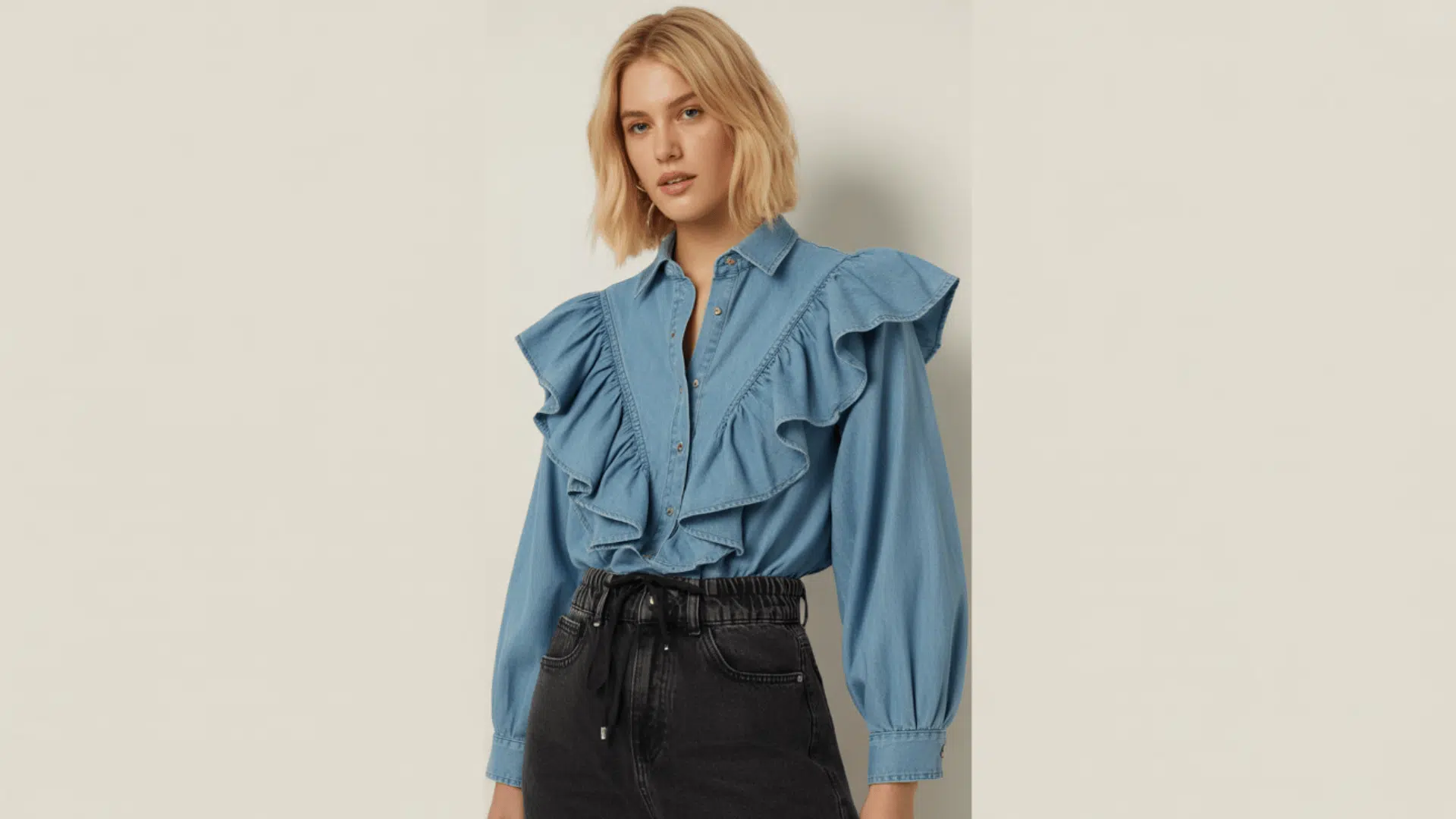
A blouse is an upper-body garment made for women. It has a loose, flowy fit that sets it apart from other tops.
Key features of a blouse include:
- Loose or relaxed fit around the waist
- Lightweight fabrics like silk, chiffon, or satin
- Decorative details such as ruffles, pleats, or bows
- Limited buttons at the top or hidden closures
- Softer, more intricate collar designs
Blouses offer comfort and a feminine look. They work well for both casual outings and formal events. The fabric gathers at the waist and puffs out, creating a free-flowing silhouette.
This garment suits many body types due to its forgiving fit. You can dress it up with heels or keep it simple with jeans.
Now that you know what a blouse is, let’s look at what makes a shirt different.
What Is a Shirt?
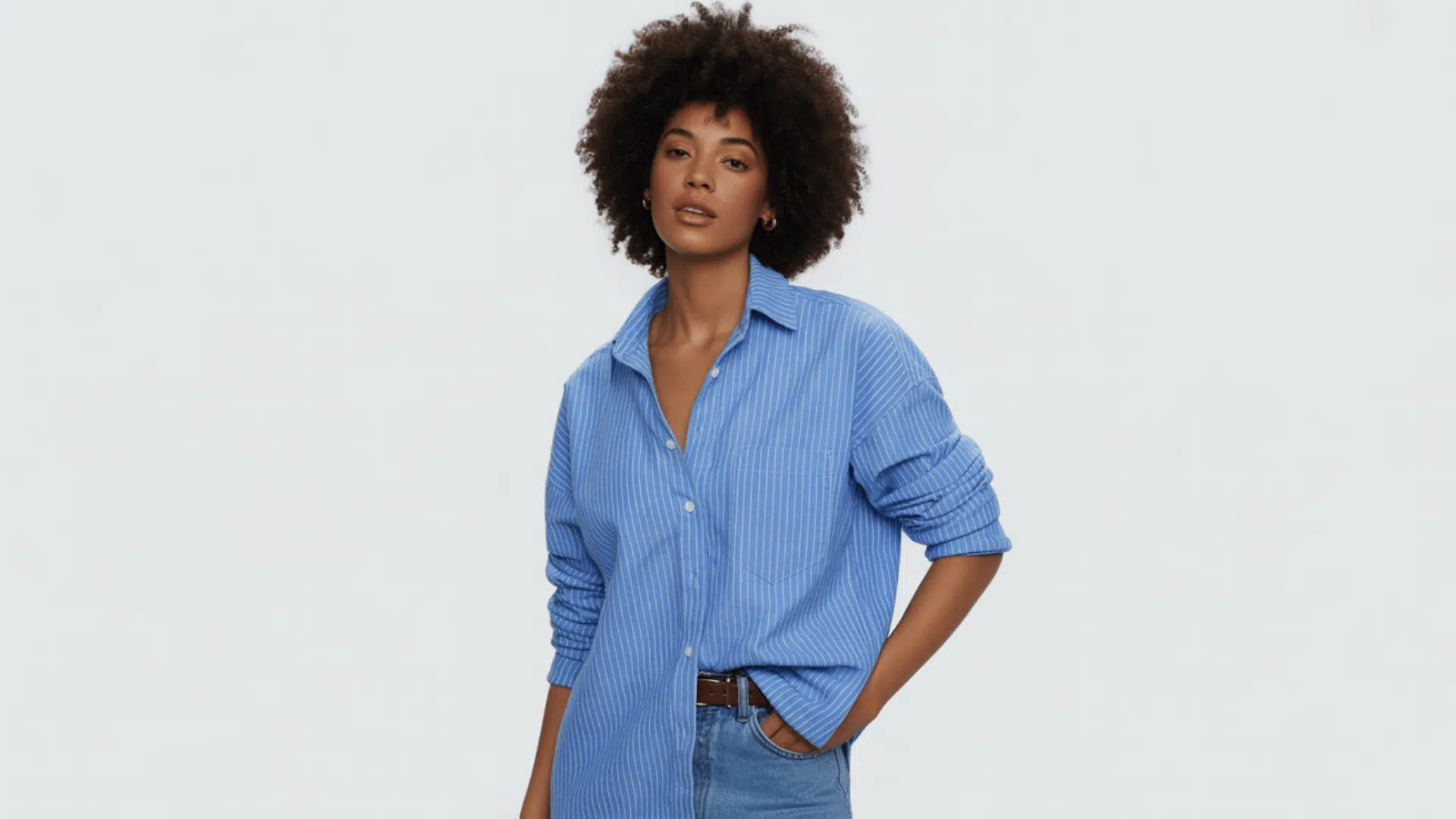
A shirt is a button-down garment worn on the upper body. It has a more structured and fitted look compared to a blouse.
Shirts were first designed as undergarments for men. Over time, they became a staple in both men’s and women’s wardrobes. Today, women’s shirts are cut to flatter the female form while keeping the classic structure.
Key features of a shirt include:
- Full row of buttons from collar to hem
- Structured collar with pointed or spread design
- Fitted or tailored silhouette
- Sturdier fabrics like cotton, linen, or poplin
- Cuffed sleeves with button closures
Shirts give a polished and professional appearance. They are common in office settings, at formal events, and in business-casual looks. You can tuck them into trousers or wear them open over a tank top.
This garment works for all genders. Women often style shirts with pencil skirts, blazers, or high-waisted pants for a sharp look.
With both terms now clear, let’s explore the main differences between a blouse and a shirt.
Key Differences Between a Blouse and a Shirt
Now that you know what each garment is, let’s break down how they differ. The main differences lie in buttons, collar, fit, fabric, and formality.
Buttons are the biggest giveaway. Blouses have limited buttons at the top or use hidden closures. Shirts have a full row of buttons running from the collar to the hem. This lets you open a shirt completely without pulling it over your head.
Collar design also sets them apart. Blouses feature softer, decorative collars like Peter Pan or bow styles. Shirts have structured collars with pointed or spread designs for a crisp look.
Here is a quick comparison to help you spot the differences:
| Feature | Blouse | Shirt |
|---|---|---|
| Buttons | Limited or decorative | Full-length, functional |
| Collar | Soft, intricate styles | Structured, pointed, or spread |
| Fit | Loose, flowy silhouette | Fitted, tailored silhouette |
| Fabric | Silk, chiffon, satin | Cotton, linen, poplin |
| Formality | Casual to formal | Professional to formal |
| Gender | Traditionally feminine | Gender-neutral |
The fit is another clear difference. Blouses have a loose, puffy appearance. Shirts hug the body with a more tailored shape.
Fabric choice matters too. Blouses use lightweight materials like silk or chiffon. Shirts are made from sturdier fabrics like cotton or linen.
Understanding these differences helps you pick the right top for any occasion. But what happens when a garment has features of both? Let’s find out.
What Classifies a Shirt as a Blouse?
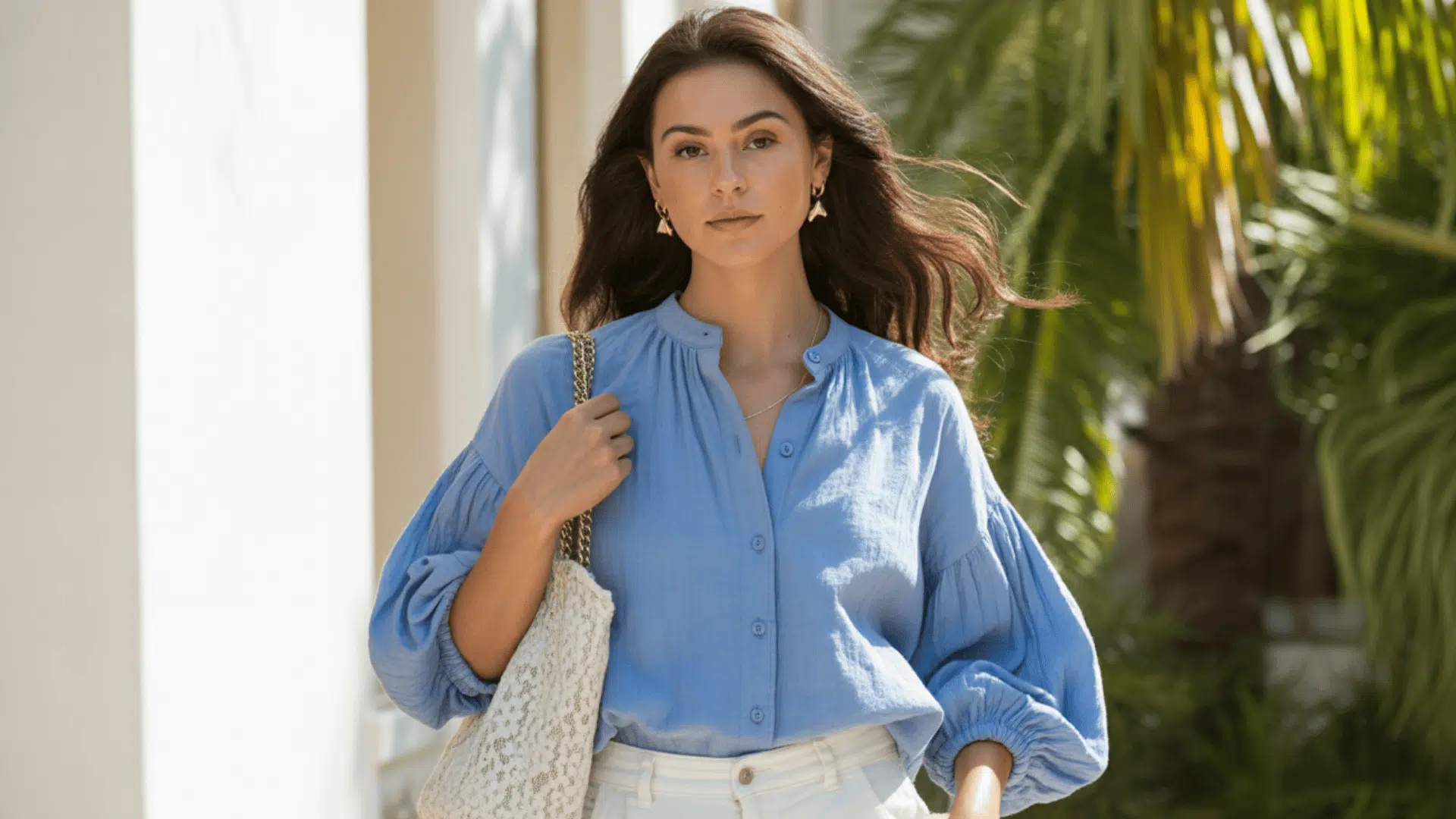
Sometimes the line between a shirt and a blouse gets blurry. A shirt becomes a blouse when it has feminine elements. These include softer fabrics, decorative details, and a looser fit.
A silk button-down with ruffled sleeves is a good example. It has the button structure of a shirt but the fabric and style of a blouse. Retailers often use these terms loosely, adding to the confusion.
The easiest way to tell is by looking at the overall feel. If it looks soft and feminine, it’s likely a blouse. If it looks crisp and structured, it’s a shirt.
But why do we call a woman’s top a blouse in the first place? The answer lies in history.
Why is a Woman’s Shirt Called a Blouse?
The word “blouse” has French roots. It comes from the term “blous,” which meant a loose garment worn by peasants and workers. These were simple, comfortable tops made for daily labor.
In the late 1800s, the term shifted to women’s fashion. Women began wearing loose, flowy tops that looked different from men’s fitted shirts. The word “blouse” became the natural choice for these feminine garments.
By the early 1900s, blouses became a symbol of style for women. They offered freedom from tight corsets and stiff clothing. The loose fit allowed for comfort while still looking refined.
Today, the term remains tied to feminine fashion. Shirts are seen as gender-neutral. Blouses carry a softer, more decorative appeal meant for women.
Now that you know the history, let’s explore the different types of blouses you can add to your wardrobe.
Popular Types of Blouses to Know
Blouses come in many styles. Each one offers a different look and suits various occasions. Knowing the types helps you build a versatile wardrobe.
1. Button-Up Blouse
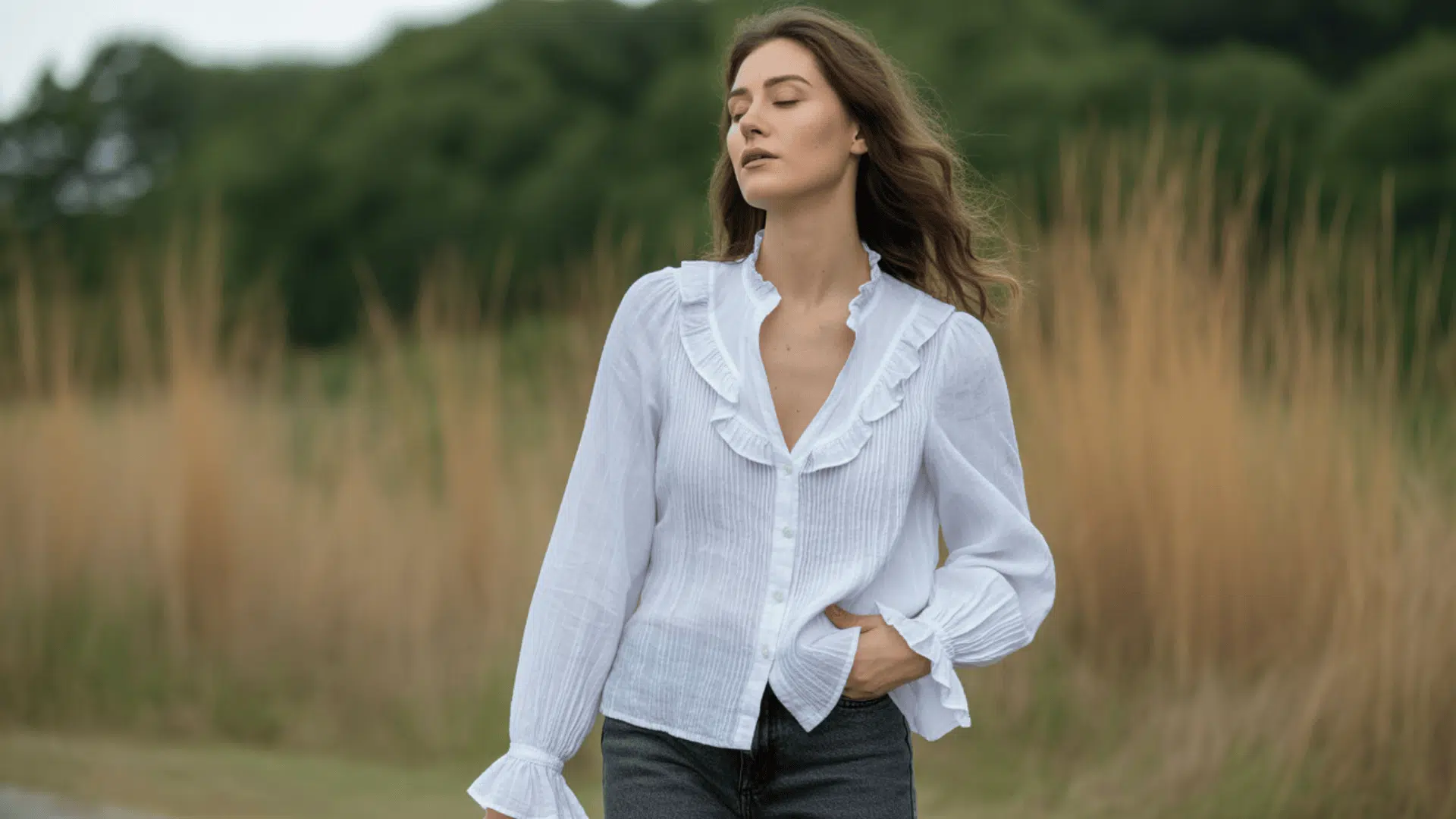
The button-up blouse is a classic choice that never goes out of style. It has front buttons like a shirt, but uses softer fabrics and feminine details.
You can tuck it into a pencil skirt for work or wear it open over a tank top on weekends. This style works well for the office, brunch, and casual outings.
2. Off-Shoulder Blouse
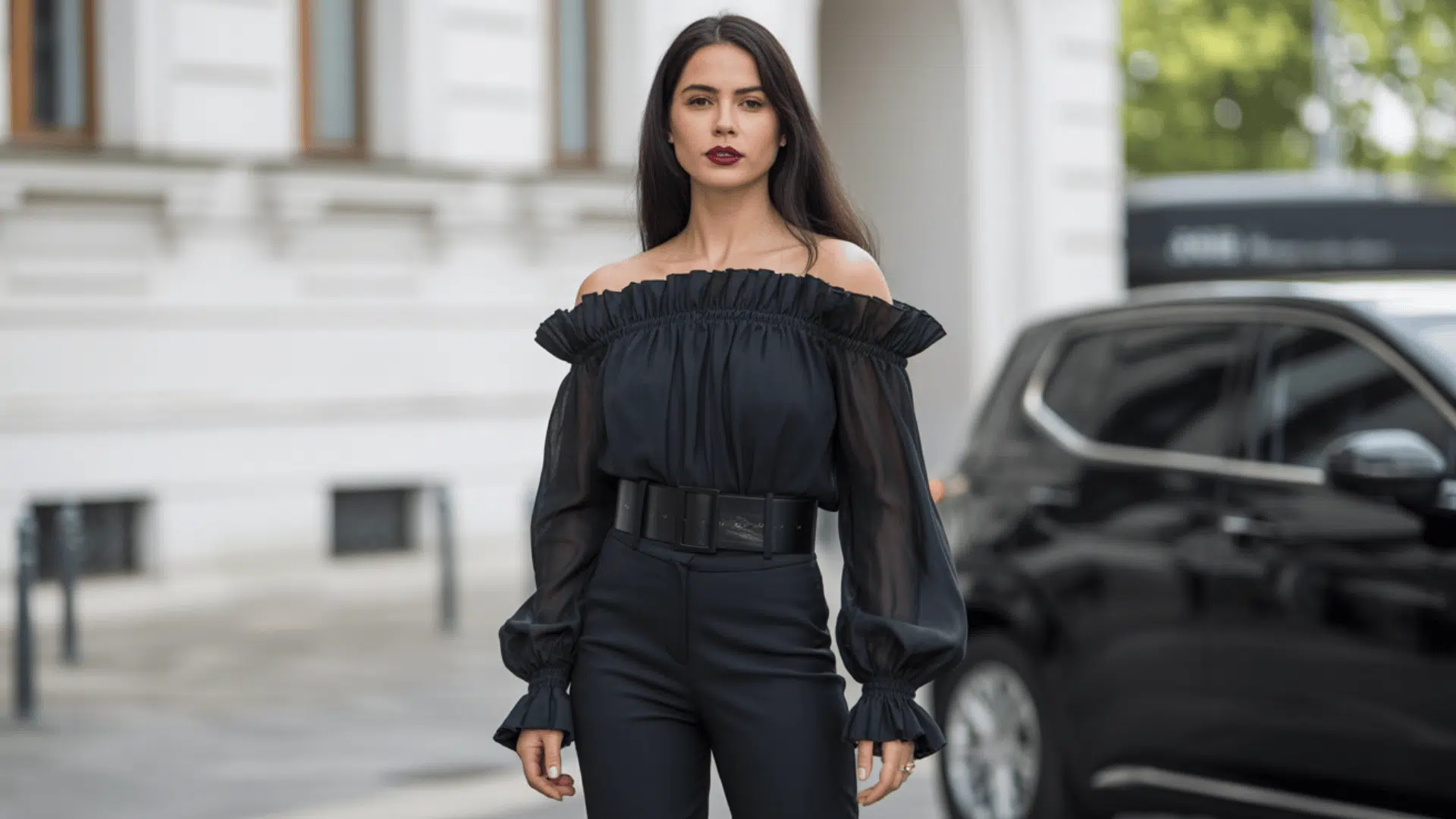
The off-shoulder blouse exposes the shoulders while covering the arms. It gives a flirty, relaxed vibe perfect for summer events and date nights.
This style often uses elastic or smocking to stay in place. Pair it with high-waisted jeans or a flowy maxi skirt for a chic look.
3. Wrap Blouse
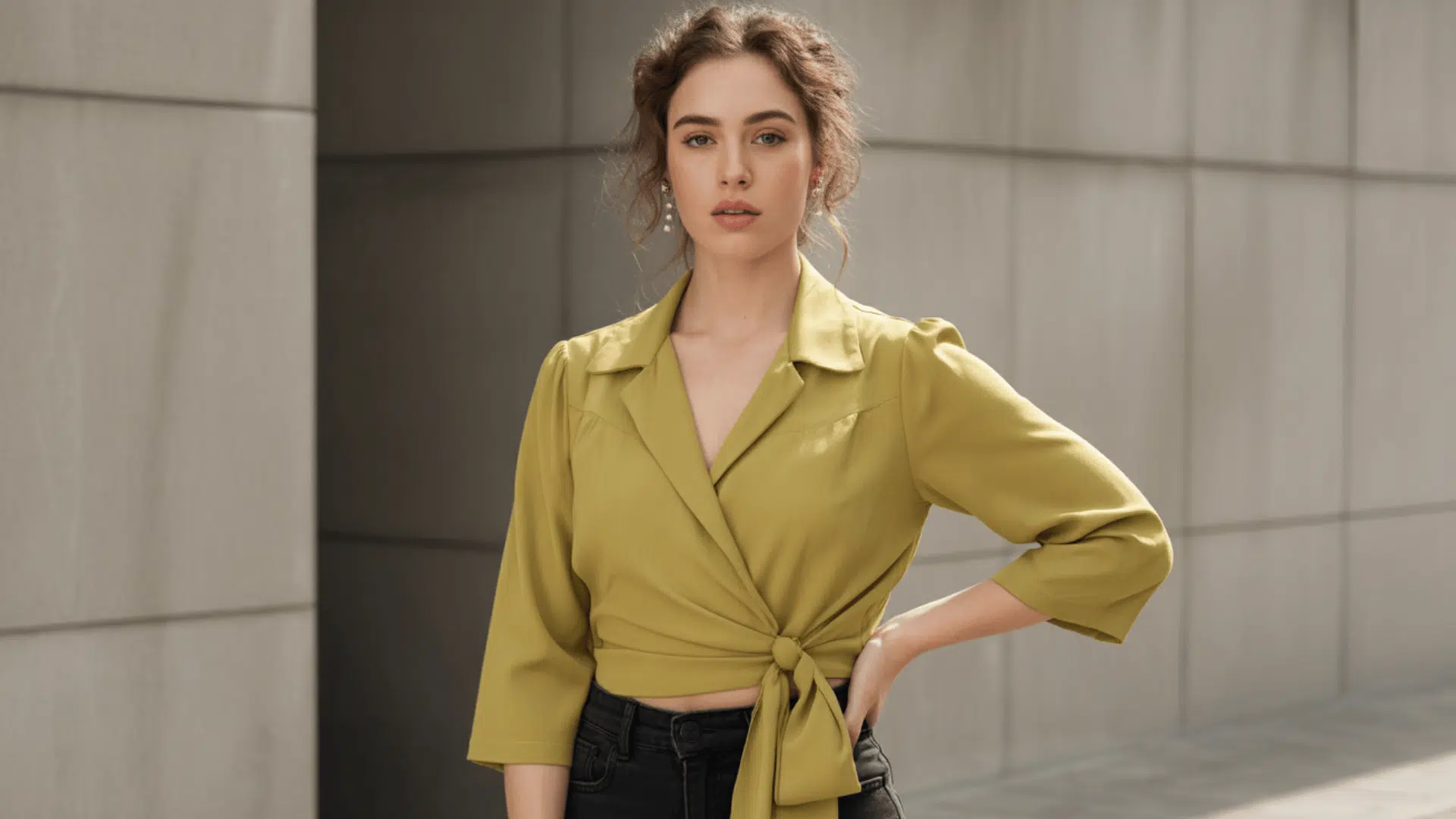
The wrap blouse ties at the waist and creates a flattering V-neckline. One side of the fabric crosses over the other, giving you an adjustable fit.
It suits many body types and adds shape to your silhouette. Style it with tailored trousers for the office or wide-leg pants for evening events.
4. Peplum Blouse
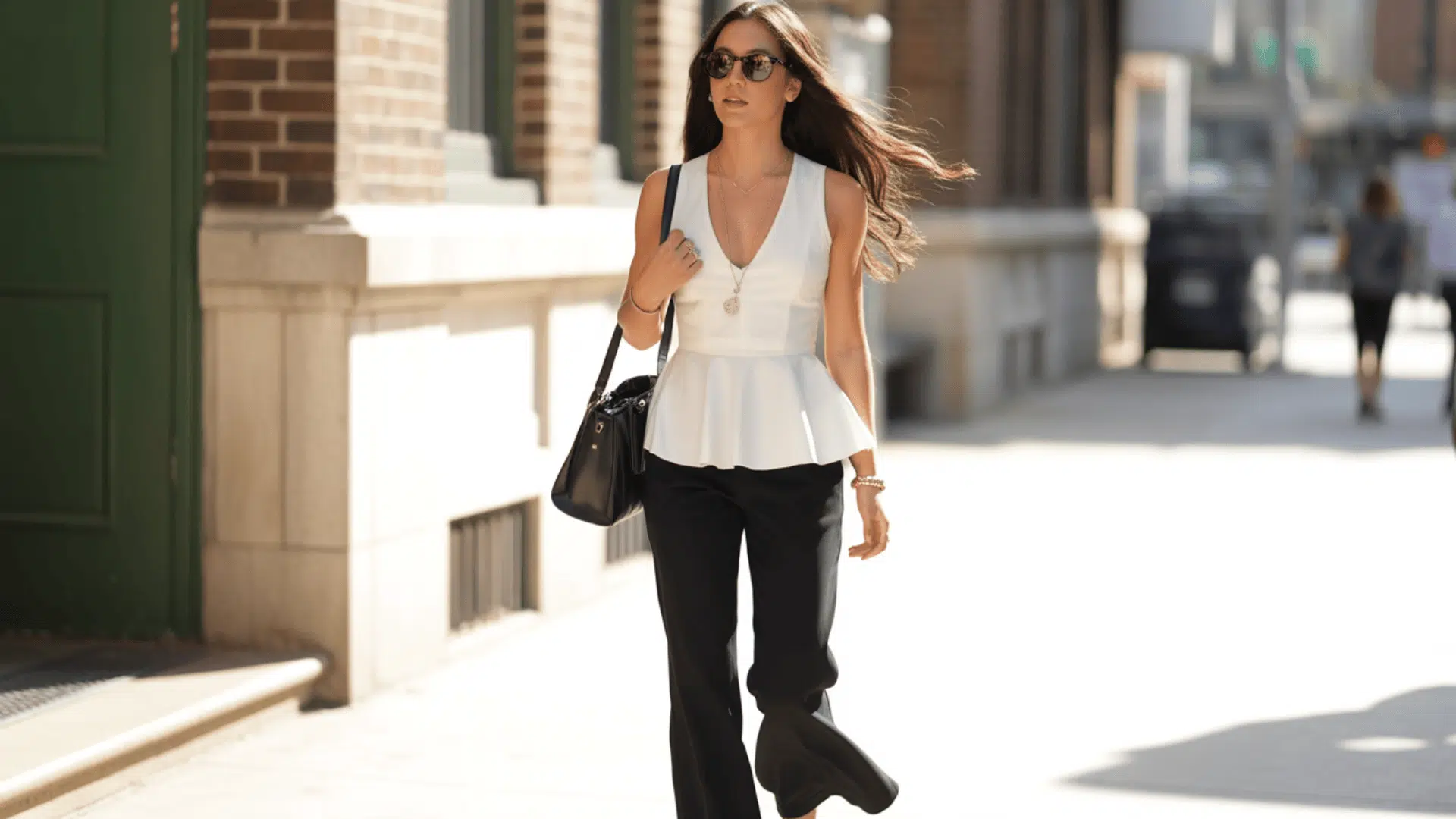
The peplum blouse features a flared hem that sits at the waist. This design adds volume to the hips and creates an hourglass shape.
The fitted bodice and flouncy bottom make it a standout piece. This style works great for formal settings, work meetings, and special occasions.
5. Ruffled Blouse
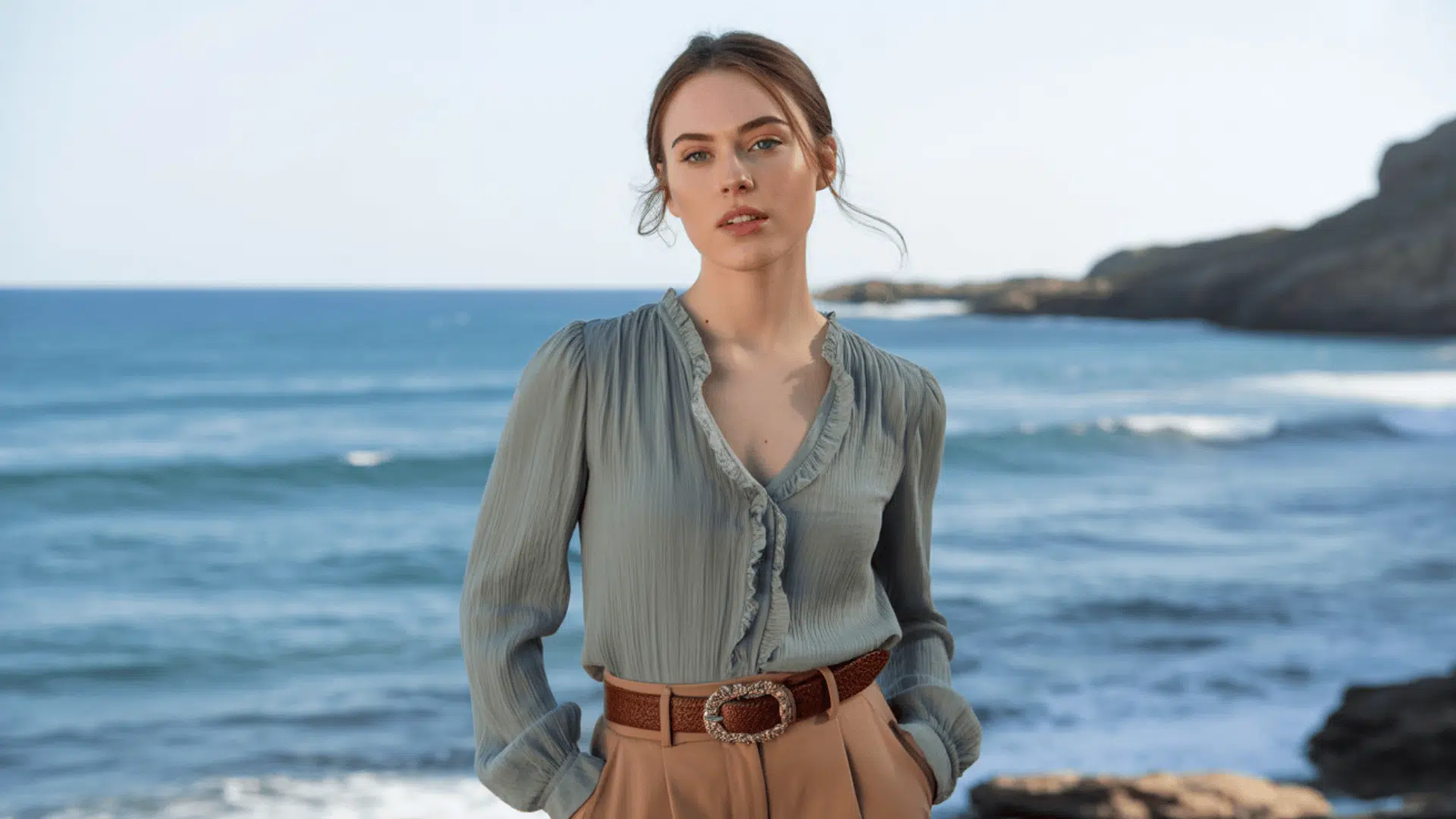
The ruffled blouse has frills on the collar, sleeves, or front panel. These details bring a romantic and playful touch to any outfit.
Ruffles can be subtle or bold, depending on the design. Pair this blouse with tailored pants or a sleek skirt to balance the volume.
6. Sleeveless Blouse

The sleeveless blouse is perfect for warm weather and easy layering. It shows off the arms while keeping a polished look. You can wear it under blazers for the office or alone for casual weekends. This style comes in many necklines, from scoop to high neck options.
Each style serves a purpose. Some add volume, while others create a sleek look. Pick one that matches your personal taste and the occasion.
With so many options, styling becomes the next step. Let’s see how to wear blouses and shirts the right way.
How to Style Blouses and Shirts?
Both blouses and shirts can work in many outfits. The key is matching them with the right bottoms and accessories. Here are some simple ways to style each one.
1. Styling Blouses
Blouses offer a softer, more feminine look. They pair well with fitted bottoms that balance the flowy silhouette.
Try these combinations:
- Wear a wrap blouse with high-waisted trousers for a polished office look
- Pair an off-shoulder blouse with skinny jeans and wedges for a casual day out
- Match a ruffled blouse with a pencil skirt for formal events
- Style a sleeveless blouse under a blazer for business meetings
Keep accessories simple when your blouse has bold details. Let the ruffles or bows take center stage.
2. Styling Shirts
Shirts give a crisp, structured appearance. They work best with both casual and professional outfits.
Try these combinations:
- Tuck a white button-down into tailored pants with heels for the office
- Wear a shirt open over a tank top with jeans for a relaxed weekend look
- Pair a fitted shirt with a midi skirt and loafers for brunch
- Layer a shirt under a sweater with the collar peeking out for colder days
Roll up the sleeves for a casual touch. Add a belt when tucking in to define your waist.
Knowing how to style each top makes getting dressed easier. But which one should you reach for? Let’s help you decide.
Blouse vs Shirt: Which One Should You Choose?
Choosing between a blouse and a shirt depends on a few factors. Think about the occasion, your body type, and personal style.
Pick a blouse when you want a soft, feminine look. Blouses work well for dinners, casual outings, and creative workplaces. The loose fit also flatters many body shapes. If you prefer comfort with style, a blouse is your best bet.
Pick a shirt when you need a polished, professional appearance. Shirts are ideal for job interviews, formal meetings, and business settings. The structured fit gives a sharp, put-together look. If you like clean lines and classic style, go for a shirt.
Here is a quick guide to help you decide:
| Occasion | Best Choice |
|---|---|
| Job interview | Shirt |
| Casual brunch | Blouse |
| Office meeting | Shirt or formal blouse |
| Date night | Blouse |
| Business event | Shirt |
| Weekend outing | Blouse |
You don’t have to choose just one. A well-rounded wardrobe includes both. Keep a few classic shirts for work and some stylish blouses for everything else.
Now let’s wrap up everything you’ve learned about blouse vs shirt.
Conclusion
Understanding the difference between a blouse and a shirt makes shopping and styling easier. A blouse offers a loose, feminine look with softer fabrics and decorative details.
A shirt gives a structured, polished appearance with full buttons and a tailored fit.
Both tops have their place in your wardrobe. Blouses shine at casual outings and creative settings. Shirts work best for professional and formal occasions.
The next time you stand in front of your closet, you’ll know exactly which one to grab. Build a collection of both to stay ready for any event.
Which style do you reach for most often? Share your thoughts in the comments below.
Frequently Asked Questions
Is a Blouse Considered a Top?
Yes, a blouse falls under the category of tops. However, not every top is a blouse. Tops include t-shirts, tank tops, and knit styles, while blouses are made from woven fabrics with feminine details.
What is Another Word for a Woman’s Blouse?
A blouse can also be called a top or a ladies’ shirt. Some people use the term “dressy top” for blouses with decorative details. The word you choose often depends on the style and occasion.
Can I Wear A Blouse For A Formal Business Interview?
Yes, provided the design remains professional. Choose a version with a high neckline and modest details. Avoid sheer fabrics or excessive ruffles to ensure the look stays polished and office-ready.
Does A Blouse Or Shirt Provide A More Flattering Silhouette?
It depends on your preference. A shirt offers a structured, tailored shape that defines the frame. A blouse provides a loose, forgiving fit that drapes softly over the body for comfort.