What is goth, really? Most people think they know, but do they?
The word gets thrown around for anyone wearing black, yet the truth goes much deeper.
Goth started decades ago in underground music clubs. But how did one subculture split into so many types? Why do people keep confusing goth with styles that aren’t goth at all?
Types of goth exist for reasons you might not expect. Could you tell trad goth from deathrock? What about pastel goth versus emo?
This guide answers those questions. You’ll see where goth came from, which types matter most, and how modern styles changed everything.
Ready to find out what goth actually means?
What is Goth?
Goth is a subculture built around music, fashion, and artistic expression. It values darker aesthetics, emotional depth, and creativity.
The subculture centers on post-punk music with atmospheric sounds and melancholic themes.
Music drives the goth identity. Bands create moody, layered songs that focus on emotion rather than aggression. The sound varies from electronic beats to guitar-heavy melodies, but all share a darker quality.
Fashion plays a significant role, too. Goths wear black clothing, dramatic makeup, and styled hair. Some mix punk with Victorian influences. Others prefer modern or futuristic aesthetics.
But where did all this start? How did goth become what it is today? Let’s look at the roots that shaped this subculture.
Origins of Goth Culture
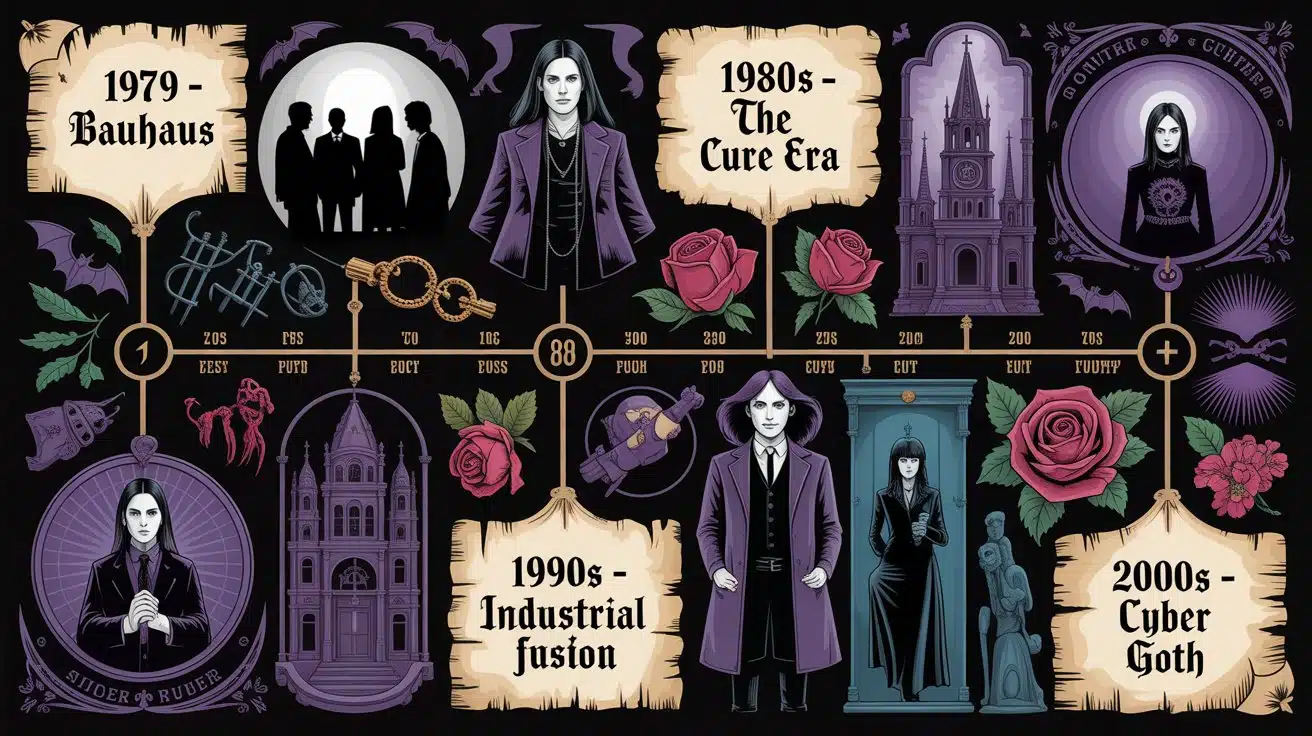
The growth of goth culture happened through specific moments and milestones. Here are the key years that shaped the subculture:
| Year | Milestone |
|---|---|
| 1976–1977 | Punk rock peaks, setting the stage for post-punk experimentation |
| 1979 | Bauhaus releases “Bela Lugosi’s Dead,” often called the first goth song |
| 1980 | Siouxsie and the Banshees and Joy Division release influential albums that shape the goth sound |
| 1981 | The term “goth” began appearing in the UK music press to describe the emerging scene |
| 1982 | The Batcave nightclub opens in London, becoming the first major goth venue |
| 1983–1985 | Goth spreads beyond the UK to Europe and North America through music and underground networks |
| Mid-1980s | Distinct goth fashion styles solidify, mixing Victorian, punk, and romantic elements |
| Late 1980s | Regional variations begin forming as goth culture establishes itself in different countries |
Now that you know how goth culture started, let’s move to what happened next. As the subculture spread across decades and countries, people created distinct styles.
Each type brings its own music, fashion, and community. Some types focus on sound, while others prioritize visual expression. Here are the core types of goth you’ll encounter today.
Types Of Goths
The core types of goth stem from specific music scenes and cultural movements. These styles formed the foundation of what you see in goth communities today.
Each type brings its own sound, look, and values. Some stayed close to the original post-punk roots. Others mixed goth with new genres and ideas. You’ll notice that music drives most of these types, though fashion plays a key role too.
Let’s look at each core type so you can see how they differ.
1. Trad Goth
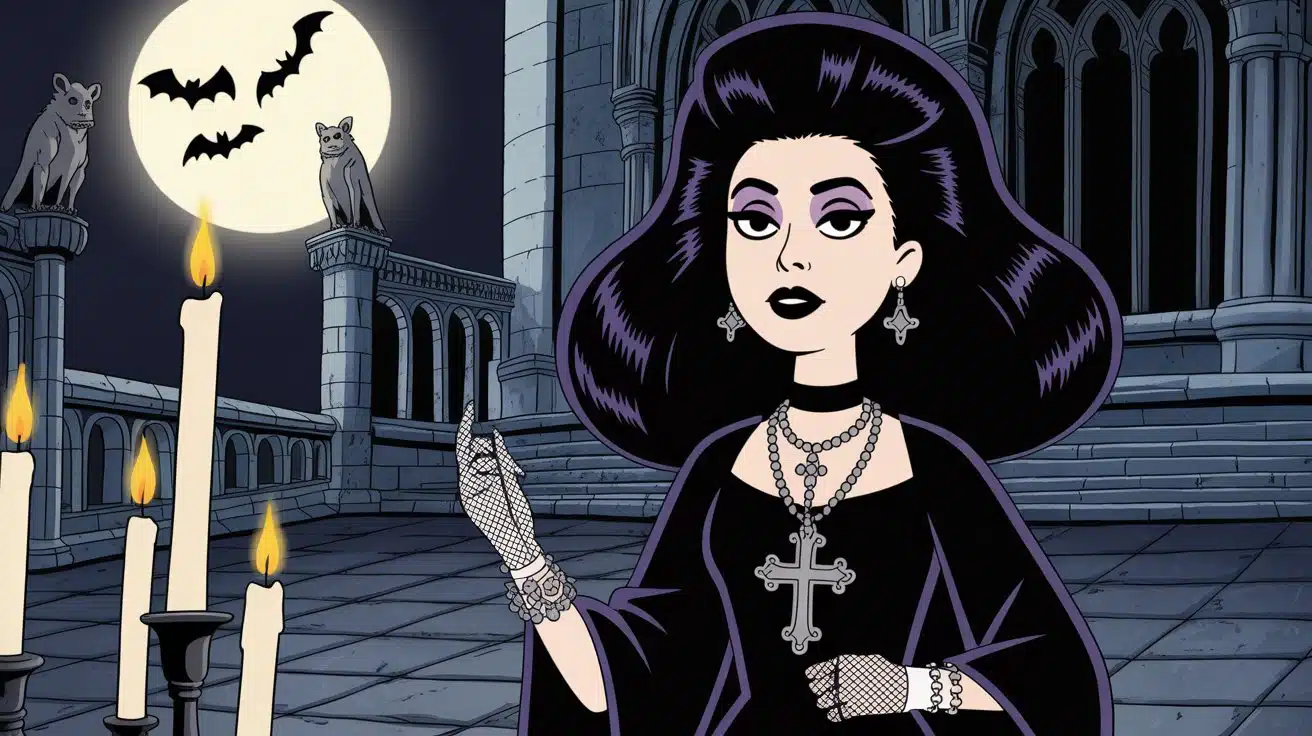
Trad goth is where it all started. This is the classic goth style that most people think of when they hear the word.
- Emerged in the early 1980s UK post-punk scene
- Music centers on bands like Bauhaus, Siouxsie and the Banshees, and The Sisters of Mercy
- Fashion includes black clothing, teased hair, dark eyeliner, and band shirts.
- Values the original club culture and stays closest to goth’s musical roots
2. Romantic Goth
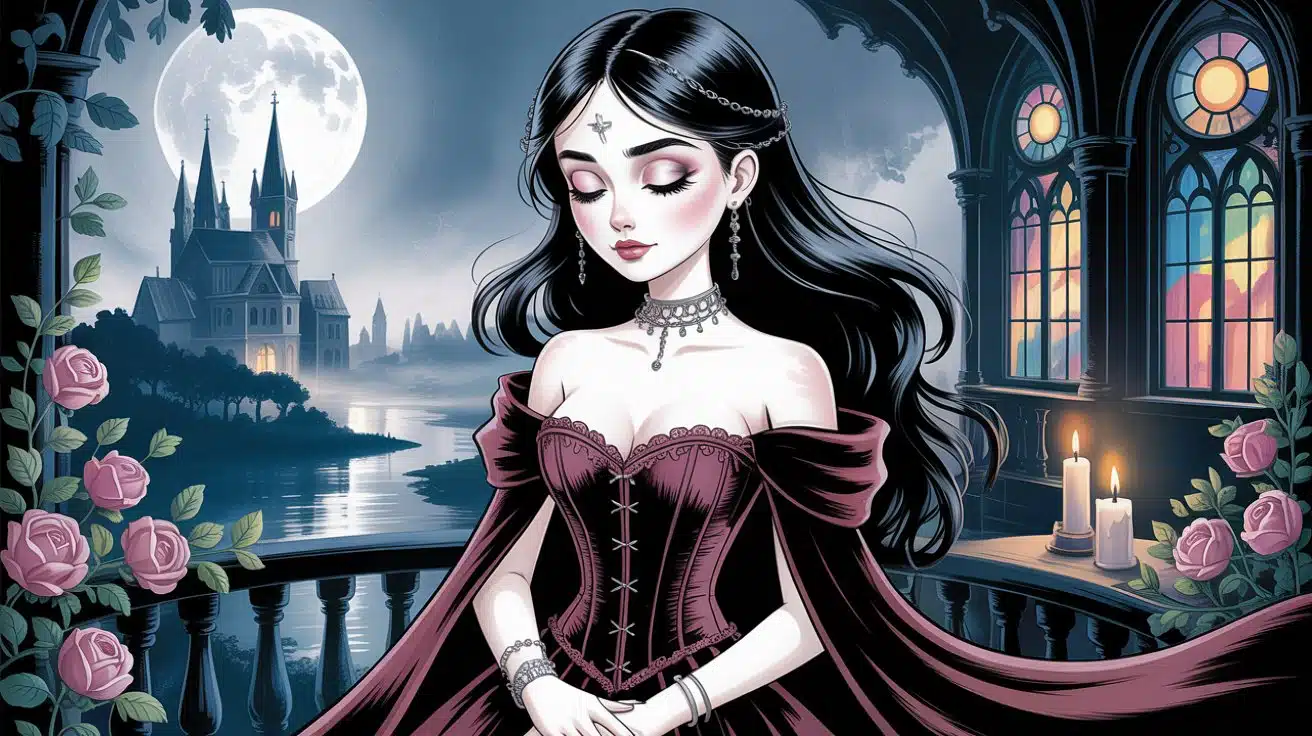
Romantic goth takes inspiration from history and literature. If you love old novels and vintage fashion, this type might speak to you.
- Focuses on Victorian and Edwardian influences with poetry and Gothic literature
- Fashion features flowing fabrics, lace, corsets, and vintage-inspired pieces
- Music includes ethereal wave, darkwave, and classical influences
- Grew popular in the mid-1980s as goths mixed historical elements with modern style.
3. Victorian Goth
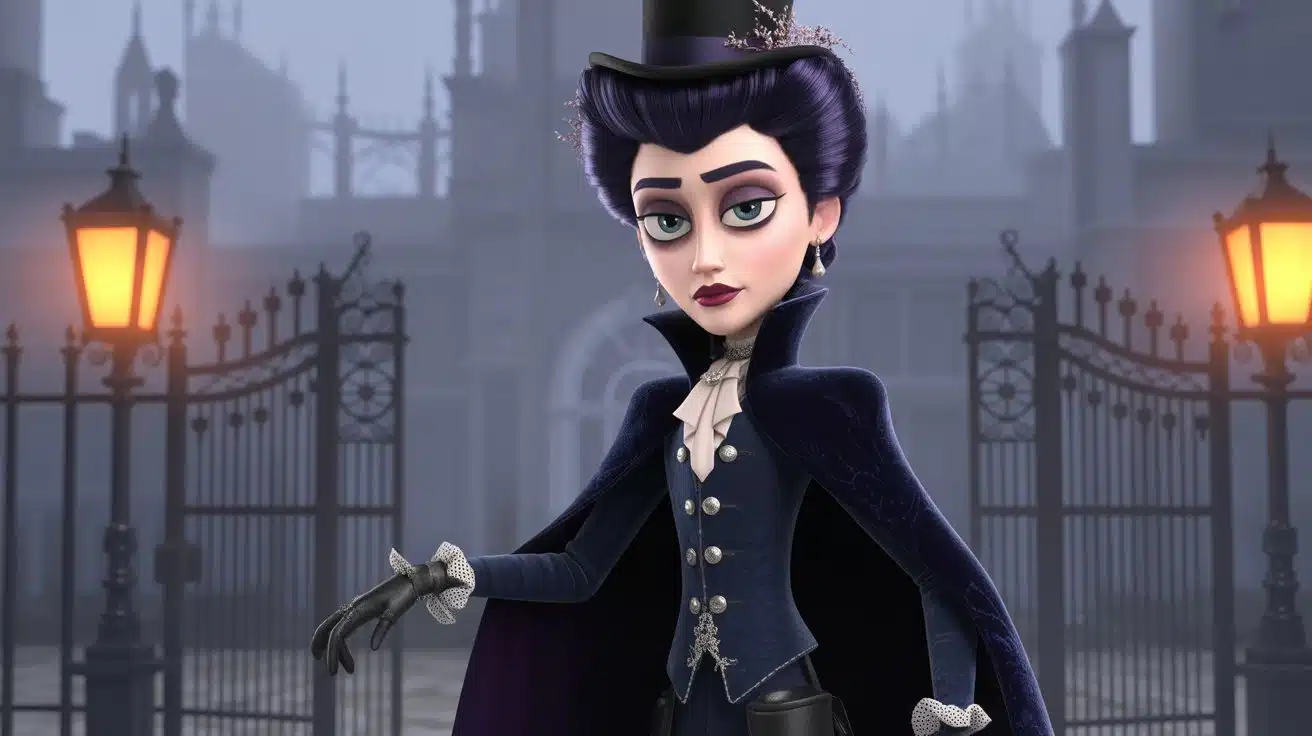
Victorian goth goes deeper into historical accuracy than romantic goth. This type treats Victorian era fashion almost like a studied craft.
- Centers on formal clothing with historical accuracy from the Victorian period.
- Fashion includes tailcoats, top hats, long skirts, and period-appropriate accessories.
- Many followers study actual Victorian history and incorporate authentic elements.
- Became more defined in the 1990s and appeals to those who value craftsmanship.
4. Deathrock Goth
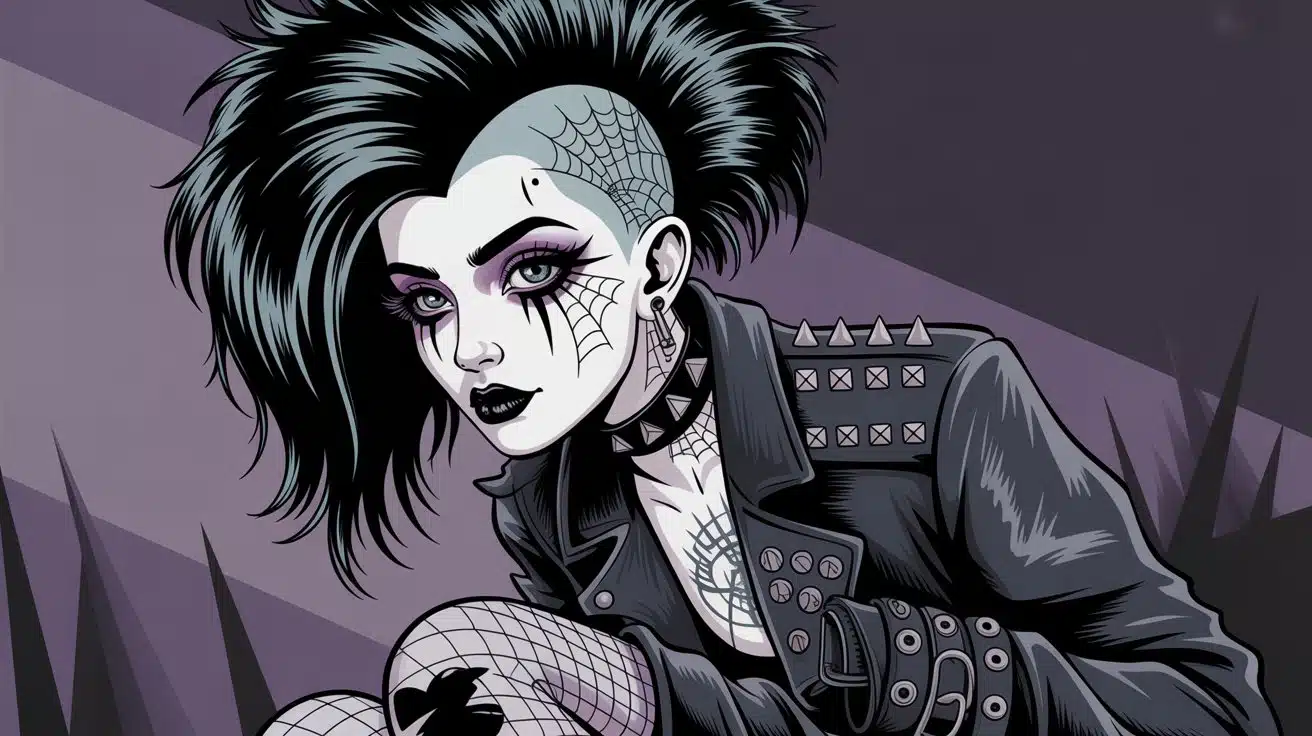
Deathrock brings punk attitude and horror aesthetics into goth. This is goth’s wilder, more theatrical cousin.
- Started in the early 1980s, the American punk and horror punk scenes had a rawer sound
- Features bands like Christian Death, 45 Grave, and Alien Sex Fiend
- Fashion mixes torn clothing, bold makeup, skeletal face paint, and DIY accessories
- Values shock, dark humor, rebellion, and keeps punk’s DIY spirit alive
5. Industrial Goth
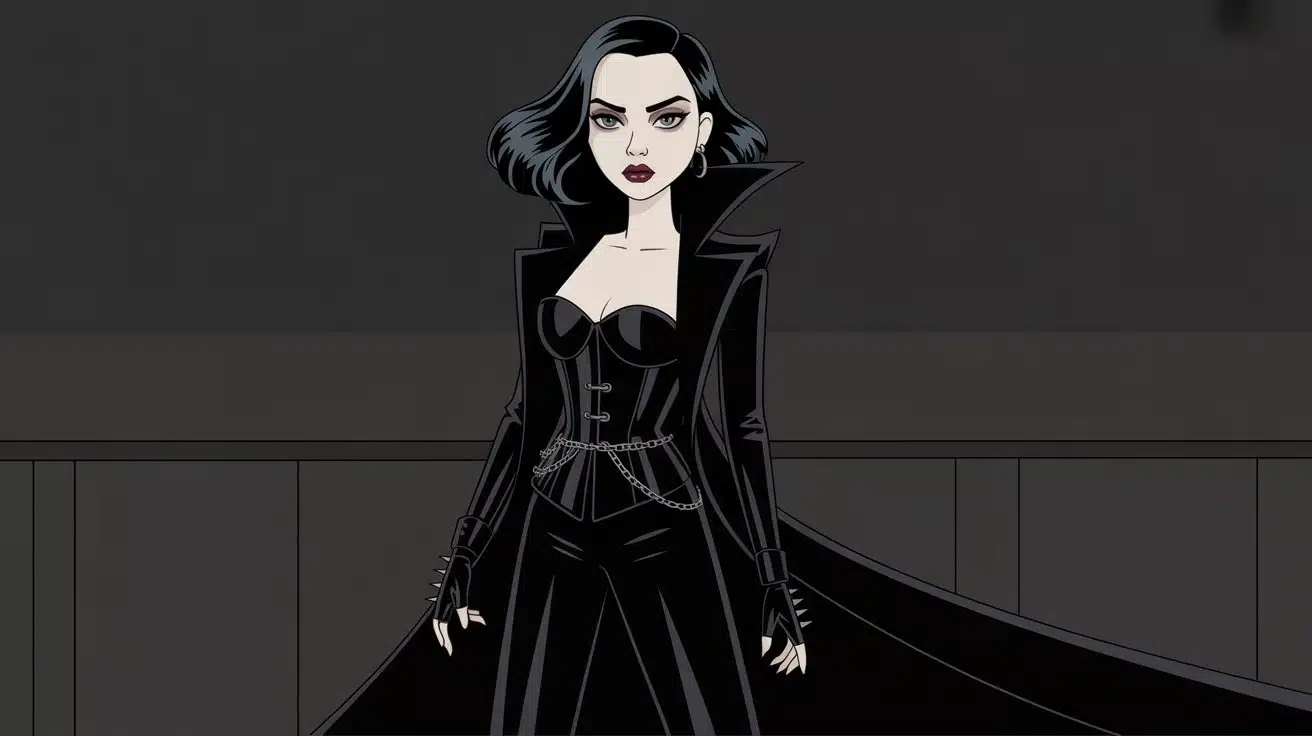
Industrial goth is heavier and more electronic. This type brought machines and aggression into the goth world.
- Emerged in the late 1980s with bands like Nine Inch Nails, Skinny Puppy, and Ministry
- Sound features electronic beats, harsh noise, and aggressive vocals
- Fashion includes military-style clothing, leather, PVC, and metal accessories
- Appeals to fans of heavier electronic music and thrives in EBM dance clubs
6. Cybergoth
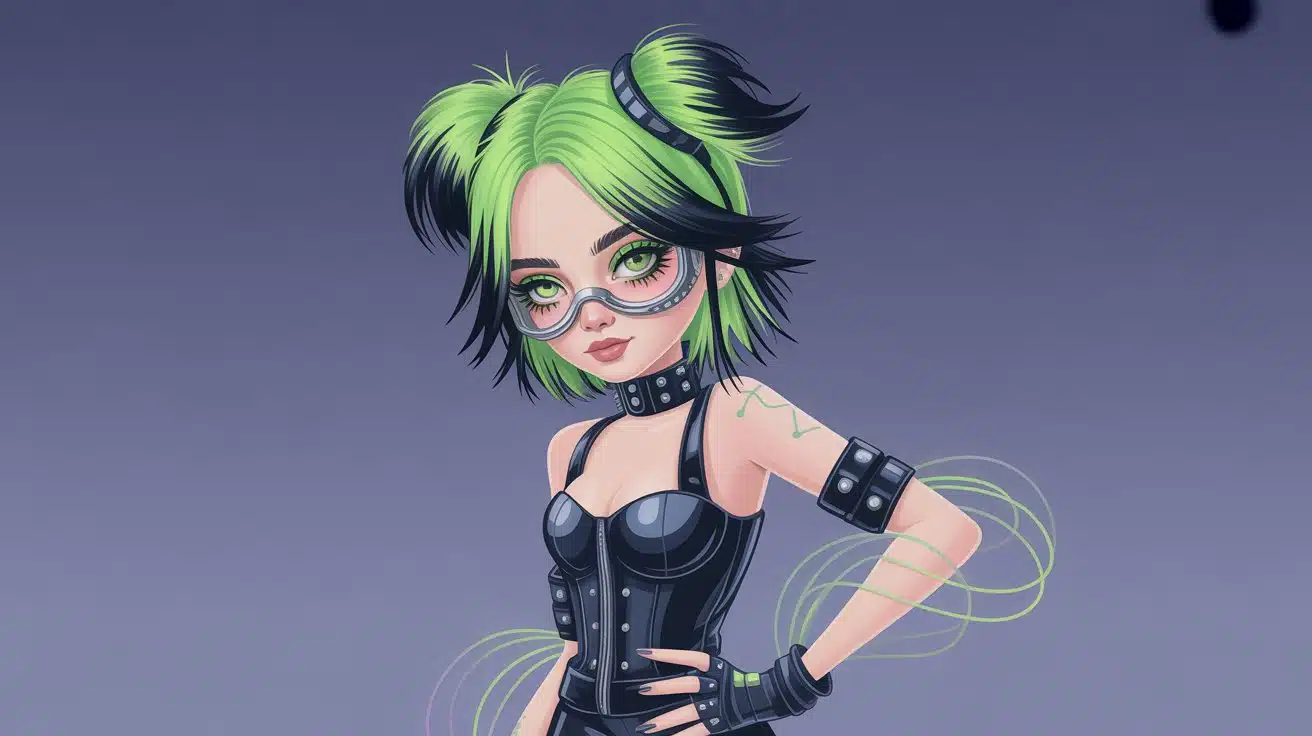
Cybergoth is goth’s futuristic side. Forget all black—this type adds neon and technology to the mix.
- Became visible in the late 1990s, combining goth with rave and cyberpunk culture
- Music includes electronic body music, aggrotech, and industrial dance
- Fashion features bright neon colors, UV-reactive clothing, goggles, and cyberlox hair extensions
- Values technology, futurism, and attracts younger goths who love electronic dance music
7. Goth Metal
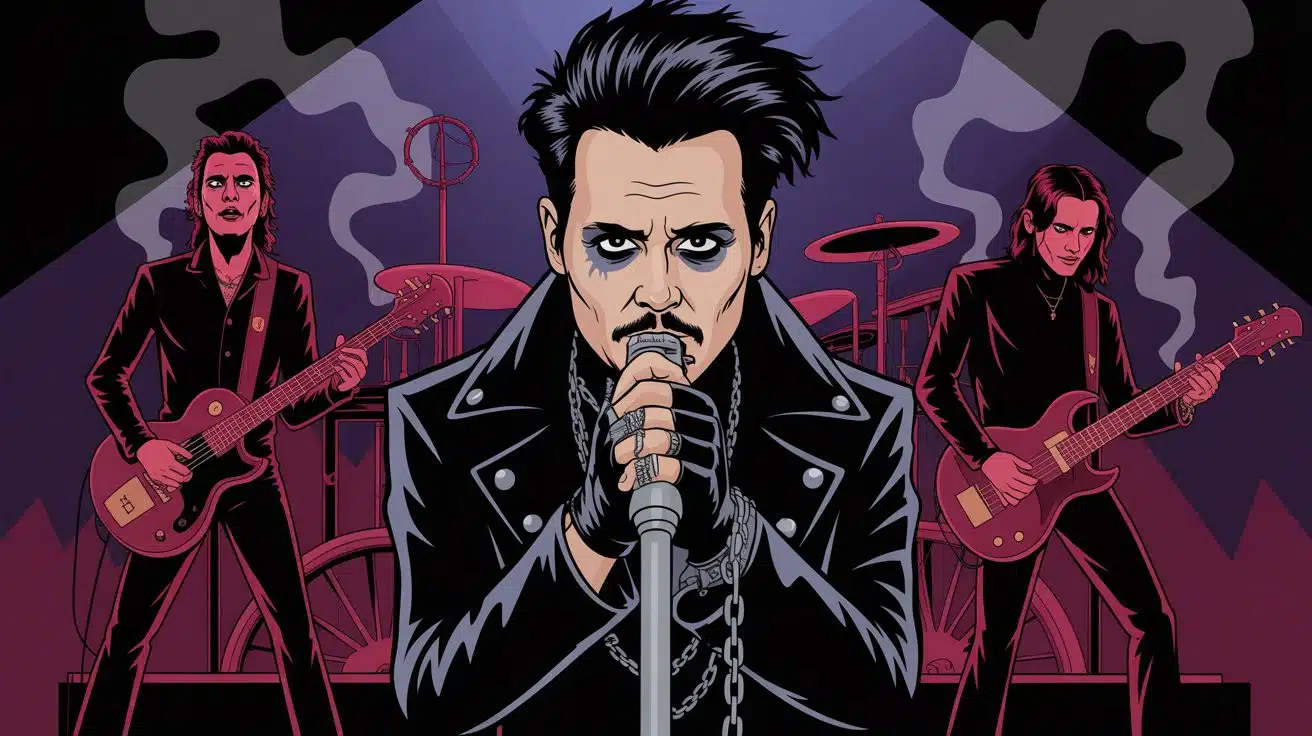
Goth metal bridges two worlds. This type connects goth culture with the power of heavy metal.
- Developed in the early 1990s with bands like Type O Negative, Paradise Lost, and Moonspell
- Music combines heavy metal guitars with goth’s atmospheric and melancholic themes.
- Fashion mixes metal band shirts with traditional goth clothing and leather accessories
- Appeals to people from both metal and goth scenes, and brought new audiences to the subculture
The internet changed how goth culture grows. New types emerged online that mix goth with other styles. Let’s look at the modern goth types shaped by social media and digital culture.
Modern and Internet-Influenced Goth Types
Ever wondered how goth culture changed with the internet? Modern goth types grew from online platforms and social media rather than traditional music scenes.
What happens when you mix goth with other aesthetics on Tumblr or Instagram?
These newer styles focus more on visual expression than specific music genres. Platforms like TikTok helped spread them faster than any club scene could.
The result? Different types of goth that younger generations shaped to fit their own lives and interests.
1. Nu Goth
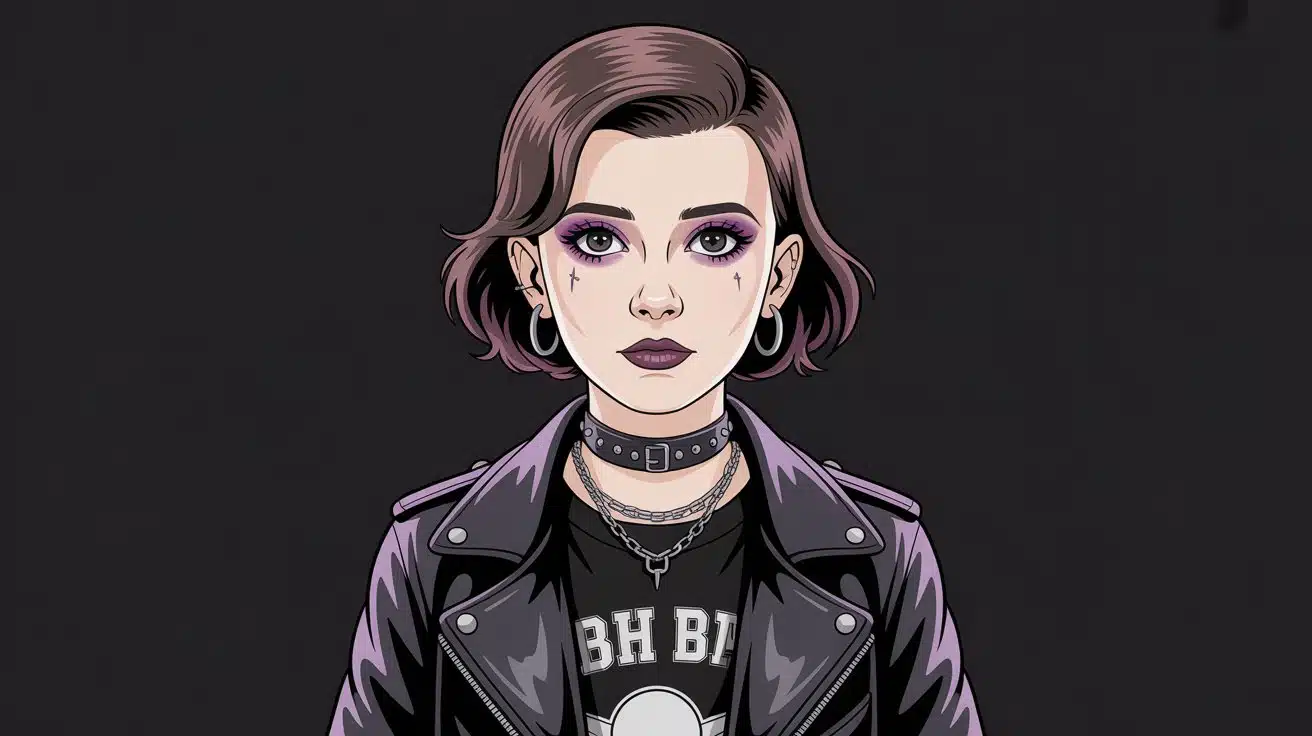
Nu goth strips goth down to its basics. This is what happened when Tumblr got its hands on goth culture in the early 2010s.
- Focuses on minimal, modern aesthetics with black clothing and occult symbols
- Fashion includes streetwear mixed with witchy elements like inverted crosses and geometric patterns
- Centers more on visual style than specific music genres
- Appeals to younger people who want a goth look without deep subculture commitment
2. Pastel Goth
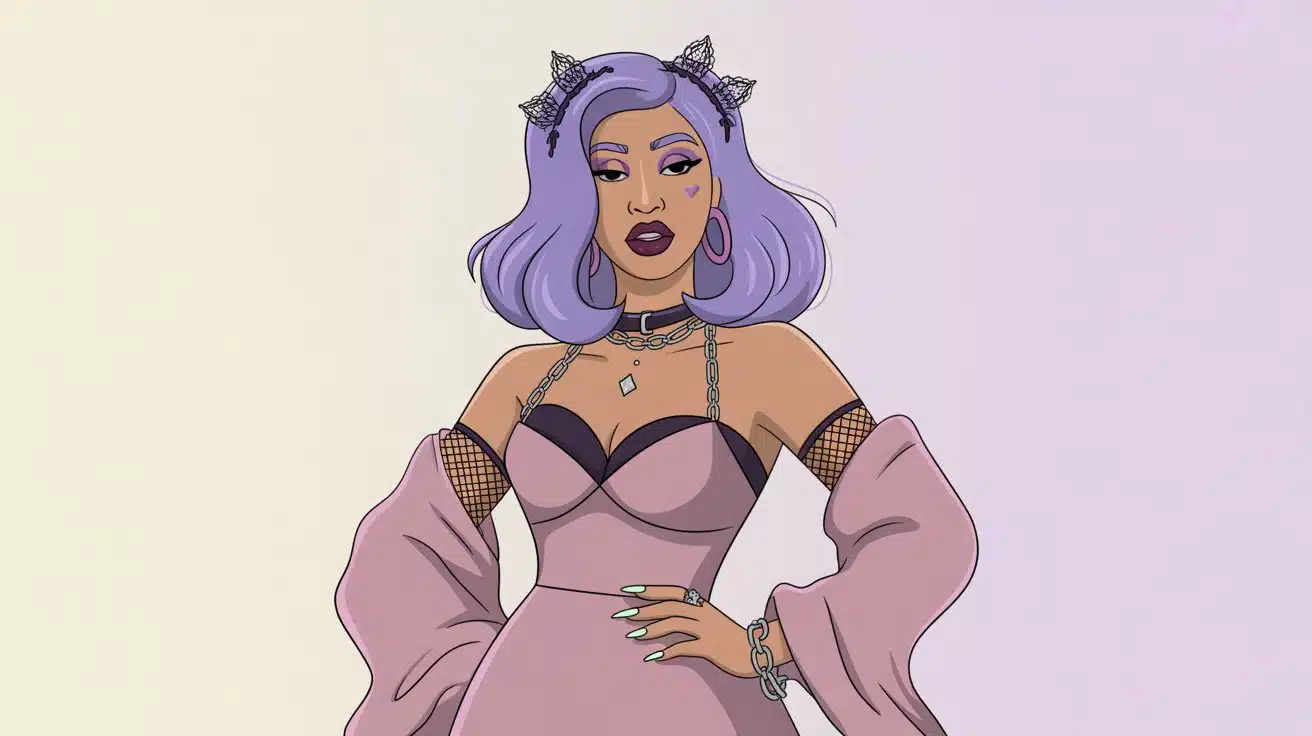
Pastel goth is what you get when you mix darkness with cute. Think black meets baby pink and lavender.
- Combines traditional goth aesthetics with soft, bright colors like pastel pink, purple, and mint green
- Includes kawaii elements, creepy-cute imagery, and playful accessories
- Features pastel-colored hair, platform shoes, and clothing with skulls or bats in soft tones
- Shows how goth blended with other youth cultures through platforms like Tumblr
3. Soft Goth
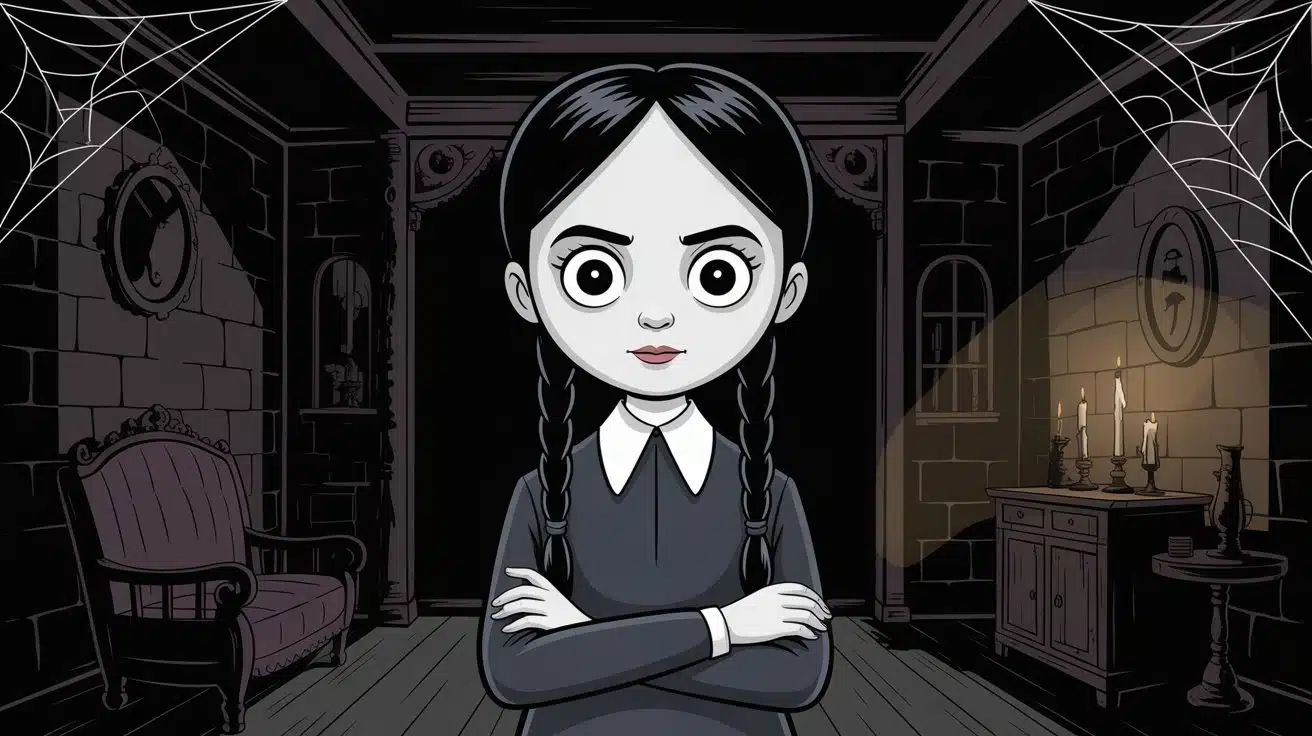
Soft goth is for people who love the aesthetic but need to tone it down. This works when you want goth vibes without the full commitment.
- Offers a subtle version of traditional goth that fits everyday settings
- Uses neutral colors like gray, burgundy, and dark green alongside black
- Features wearable pieces like simple black dresses and muted makeup
- Balances personal style with practical needs for work or conservative environments
4. Corporate Goth
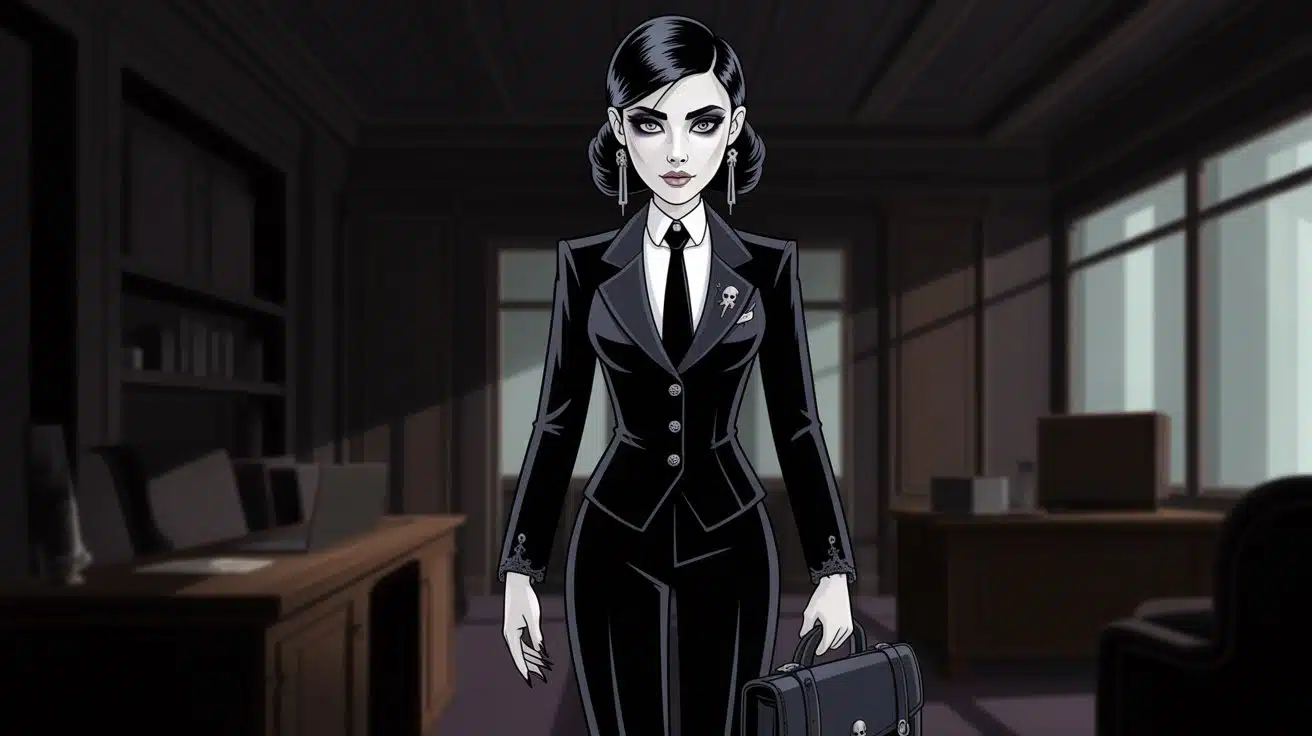
Corporate goth proves you can work in an office and still stay true to yourself. This type adapts goth for the nine-to-five world.
- Adapts goth aesthetics to fit professional work environments and dress codes
- Includes business attire in black, gray, and dark neutrals like blazers and pencil skirts
- Keeps accessories minimal with silver jewelry or dark nail polish
- Became visible as more goths shared their workplace styles online
5. Health Goth

Health Goth is probably the most unexpected twist in Goth history. Who thought goth culture and gym culture would ever meet?
- Merges goth aesthetics with athletic wear and fitness culture, starting around 2013
- Features all-black sportswear, technical fabrics, and minimalist athletic gear
- Includes performance brands like Nike and Adidas in dark colors
- Shows how goth adapted to wellness trends and modern activewear fashion
And Why Are There Different Types? Different types of goth emerged because the subculture spread across countries and decades. Regional music scenes created their own sounds. Technology and the internet allowed new styles to form and mix. Some goth styles focus on specific music genres, while others emphasize fashion or visual art. Today, many goth styles reflect personal taste, local culture, and musical preference. Each type has its own look, sound, and community. |
Do you sometimes see dark styles and assume they’re all goth?
Some aesthetics look similar but come from entirely different places. Let’s clear up which styles get confused with goth but aren’t actually part of the subculture.
Goth-Adjacent Styles Often Confused With Goth
Do all dark styles look the same to you? Goth gets mixed up with other alternative subcultures constantly. People group them based on black clothing and moody aesthetics alone.
But what if the differences go deeper than appearance? Each style comes from its own music scene and cultural moment. Knowing what separates goth from similar subcultures helps you identify each one correctly.
Let’s look at the styles most often confused with goth.
1. Goth vs Emo
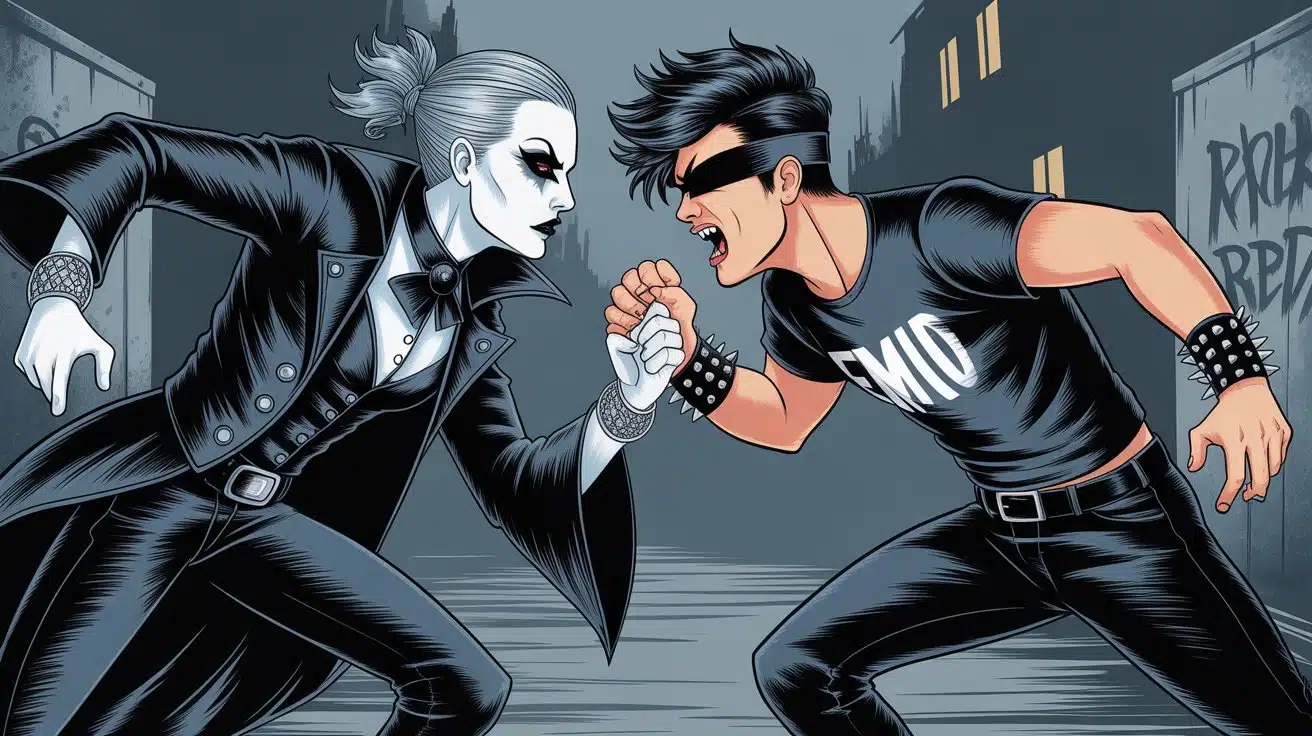
People often lump goth and emo together because both wear dark clothing and explore emotional themes. But they’re actually quite different. Let’s break down what sets them apart.
| Aspect | Goth | Emo |
|---|---|---|
| Music and Cultural Roots | Emerged from post-punk in late 1970s UK with bands like Bauhaus and Siouxsie and the Banshees | Developed from hardcore punk in the mid-1980s, became mainstream in the early 2000s with bands like My Chemical Romance. |
Identity and Community Focus | Values atmospheric music, dark romanticism, artistic expression, and connection to historical aesthetics | Centers on emotional vulnerability, confessional lyrics, and personal feelings about relationships and identity |
Goth roots itself in post-punk and artistic expression, while emo focuses on raw emotion through hardcore-influenced music. The two developed separately with different sounds and communities.
Now that you see how goth differs from emo, what about punk? These two share more history, but still went their separate ways.
2. Goth vs Punk
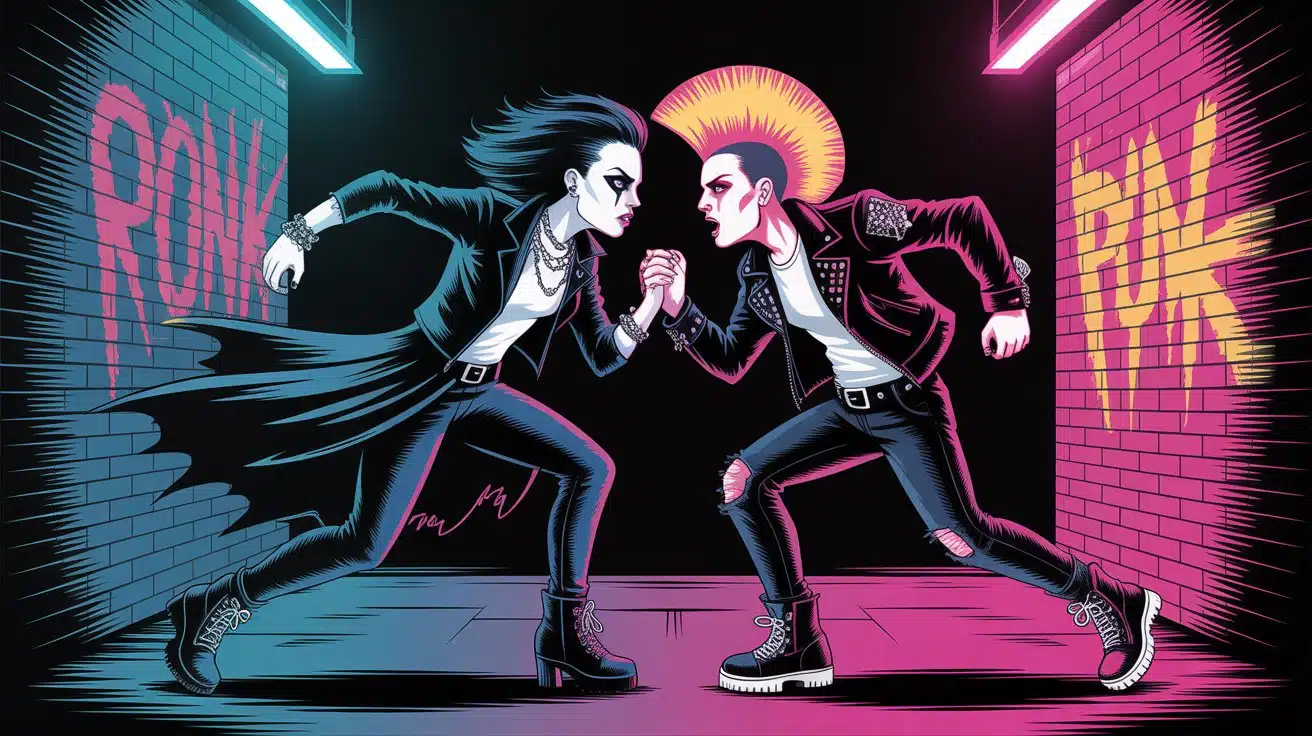
Goth literally came from punk, so why are they different? The split happened when some musicians took punk in a darker, more atmospheric direction. Here’s how they diverged.
| Aspect | Goth | Punk |
|---|---|---|
| Music and Cultural Roots | Evolved from post-punk in the late 1970s with slower tempos, atmospheric sounds, and dark themes | Started in the mid-1970s with fast, aggressive music focused on rebellion and anti-establishment attitudes |
| Identity and Community Focus | Values artistic expression, romanticism, introspection, and exploration of darker emotions and aesthetics | Emphasizes DIY ethics, political activism, direct action, and rejection of mainstream society |
Goth grew from punk but took a different path. Punk stayed loud and politically charged while goth turned inward toward art and emotion. Their core values and sounds remain distinct.
Another style people mix up with goth is grunge. Both use dark colors and moody vibes, but that’s where the similarities end.
3. Goth vs Grunge
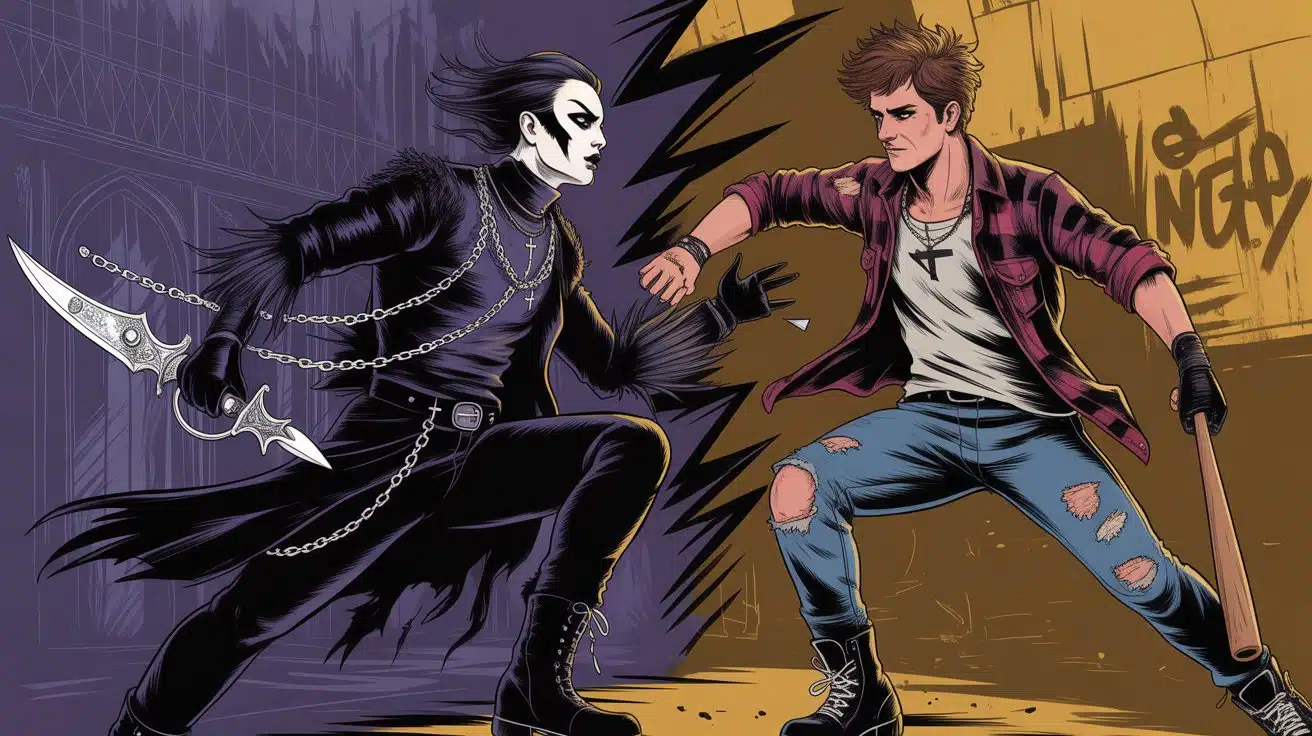
If you grew up in the 1990s, you might remember when grunge was everywhere. Some people thought grunge kids were goths, but they weren’t. Here’s why.
| Aspect | Goth | Grunge |
|---|---|---|
| Music and Cultural Roots | Originated from UK post-punk in the late 1970s with atmospheric synthesizers and dark romantic themes | Emerged from the Seattle alternative rock scene in the late 1980s with heavy guitars and a raw, unpolished sound |
| Identity and Community Focus | Values deliberate aesthetic choices, emotional depth, connection to art and literature, and subcultural community | Centers on authenticity, working-class struggles, alienation, and rejection of the glamorous rock star image |
Grunge came from Pacific Northwest rock culture and rejected polish, while goth developed from UK music scenes and embraced theatricality. The two represent separate cultural moments with distinct sounds.
Finally, let’s clear up the most considerable confusion of all. Gothic style and goth subculture sound similar but mean very different things.
4. Gothic Style vs Goth Subculture
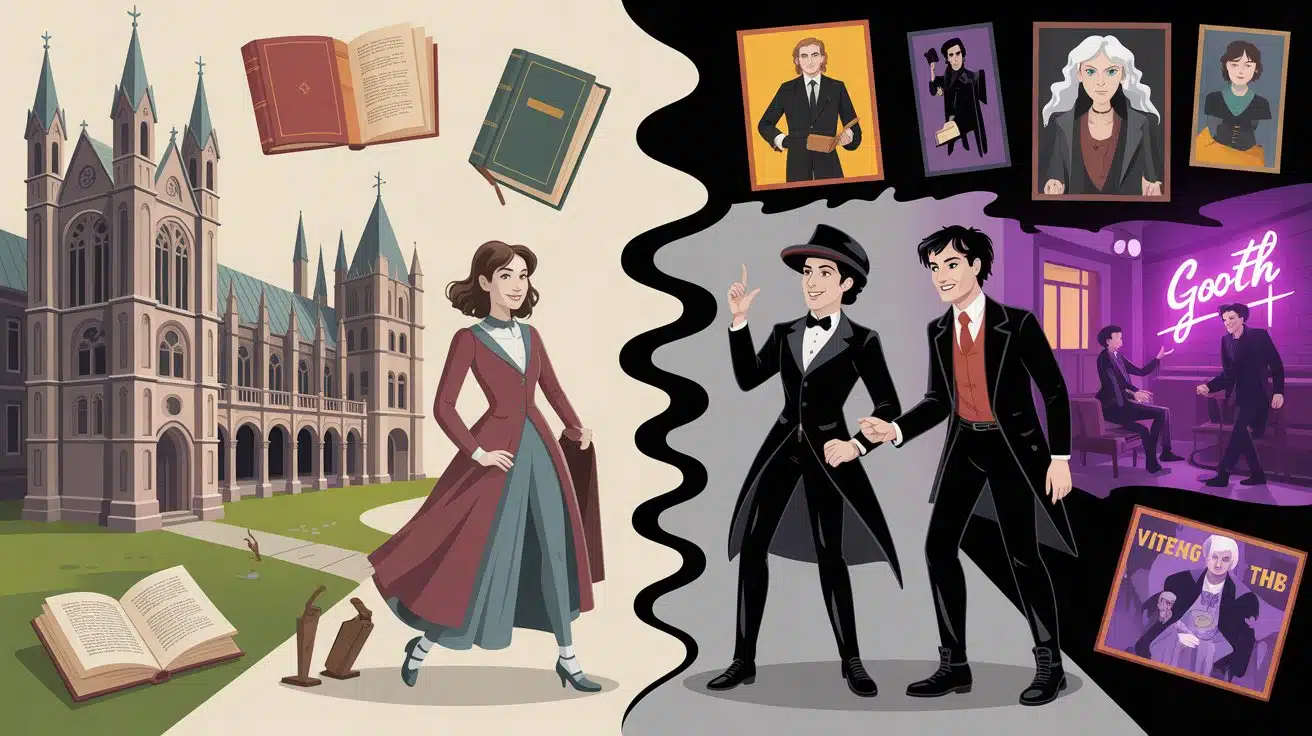
This one trips people up constantly. You can have gothic architecture, gothic novels, and gothic fashion that have nothing to do with goth subculture. Here’s the real difference.
| Aspect | Gothic Style | Goth Subculture |
|---|---|---|
| Origins and Context | Refers to medieval art, architecture, and literature with dark, mysterious, and dramatic themes | Emerged from the 1970s-80s post-punk music scenes with specific bands, clubs, and community formation |
| Cultural Expression | Can be applied to fashion, design, literature, and visual arts across different time periods and cultures | Requires connection to music, community values, and subcultural identity rooted in a specific historical context |
So you’ve learned about all these different types of goth. But which one matches your personality?
Do you feel drawn to romantic Victorian aesthetics or futuristic cybergoth vibes? What if you connect with multiple styles at once?
Let’s figure out how to identify your own goth style based on what truly speaks to you.
How to Identify Your Goth Style?
Finding your goth style starts with what draws you in. Ask yourself these questions:
1. Do you connect more with music or visual aesthetics?
2. Which fashion elements catch your eye?
Your goth style might fit one type or mix several together. Many goths blend elements from different styles based on mood or occasion. The goth subculture values personal expression over strict rules.
Here’s how to find what fits you:
1. Listen to various goth music genres to see what resonates
2. Try different fashion elements from the types that interest you
3. Visit online communities or local goth nights if you can
4. Give yourself time to experiment without pressure
Your style will develop naturally as you learn what feels right. Different types of goth exist because people express themselves in various ways. There’s no wrong answer when it comes to your goth identity.
Conclusion
The goth subculture holds more variety than most people realize. It started with post-punk music and club scenes, then grew into something much larger.
Types of goth now range from traditional styles rooted in the 1980s to modern aesthetics shaped by the internet.
Each type brings its own music, fashion, and cultural values. Your connection to goth might come from music, fashion, or both. Maybe you fit one type perfectly, or maybe you mix several together.
Goth continues to change as new generations add their own influences. What matters most is finding what speaks to you.
Which goth type caught your attention?
Drop a comment below and share your thoughts. Whether you’re already part of the scene or just starting to learn, we’d love to hear from you!