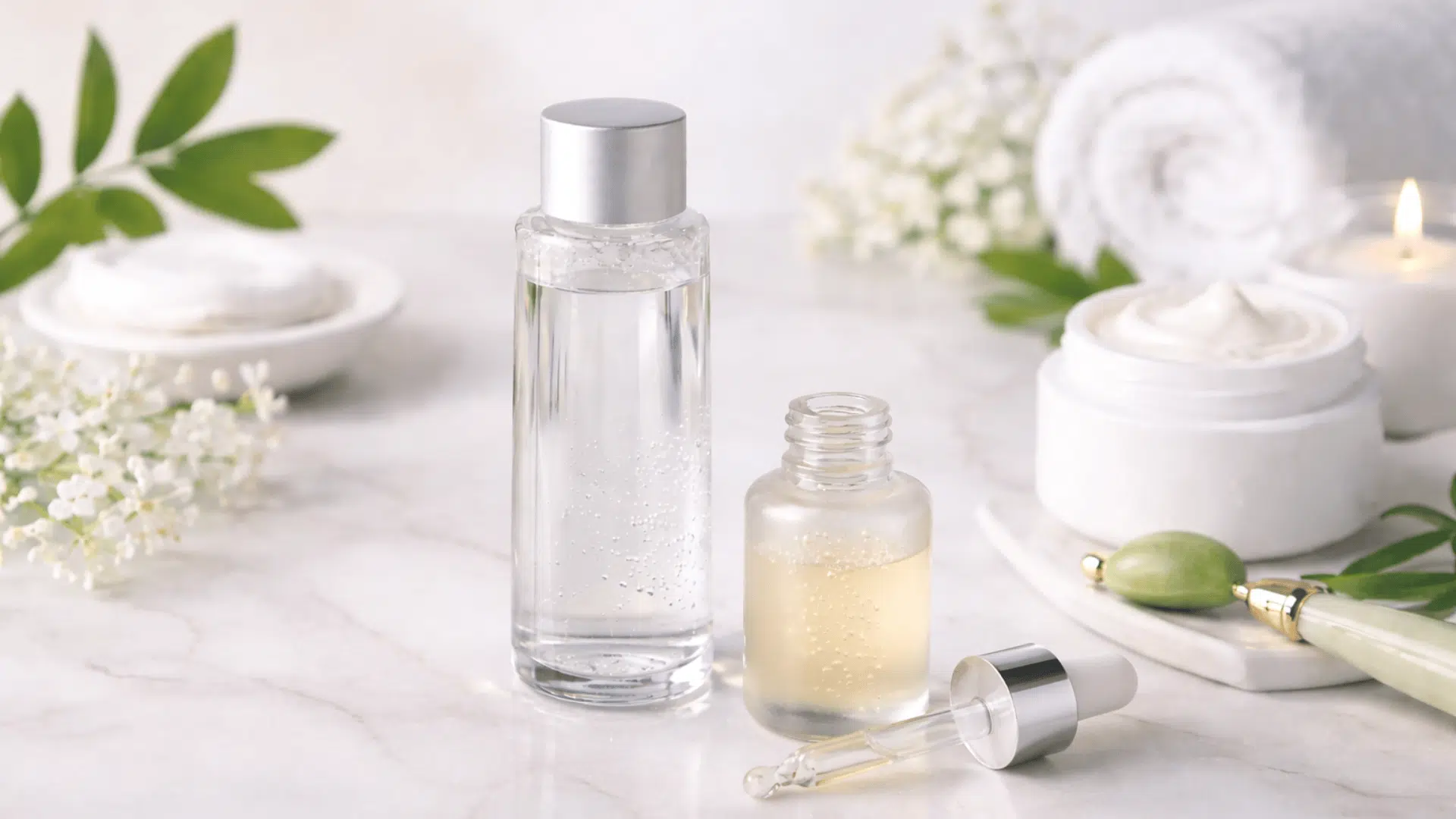
Tired of harsh acids that leave your skin red and irritated? Mandelic acid might be exactly what you need.
This gentle alpha hydroxy acid comes from bitter almonds and works differently from other exfoliants. Its larger molecular size means it penetrates slowly, giving you all the benefits without the sting.
It tackles acne, fades dark spots, smooths fine lines, and boosts radiance. Best of all, it’s safe for sensitive skin and darker skin tones.
In this guide, you’ll learn what makes mandelic acid special, how it compares to other acids, and why dermatologists recommend it.
We’ll cover the top benefits, safe usage tips, who should try it, and potential side effects.
Plus, you’ll get product recommendations and expert advice to help you achieve glowing, healthy skin without harsh reactions.
What Is Mandelic Acid?
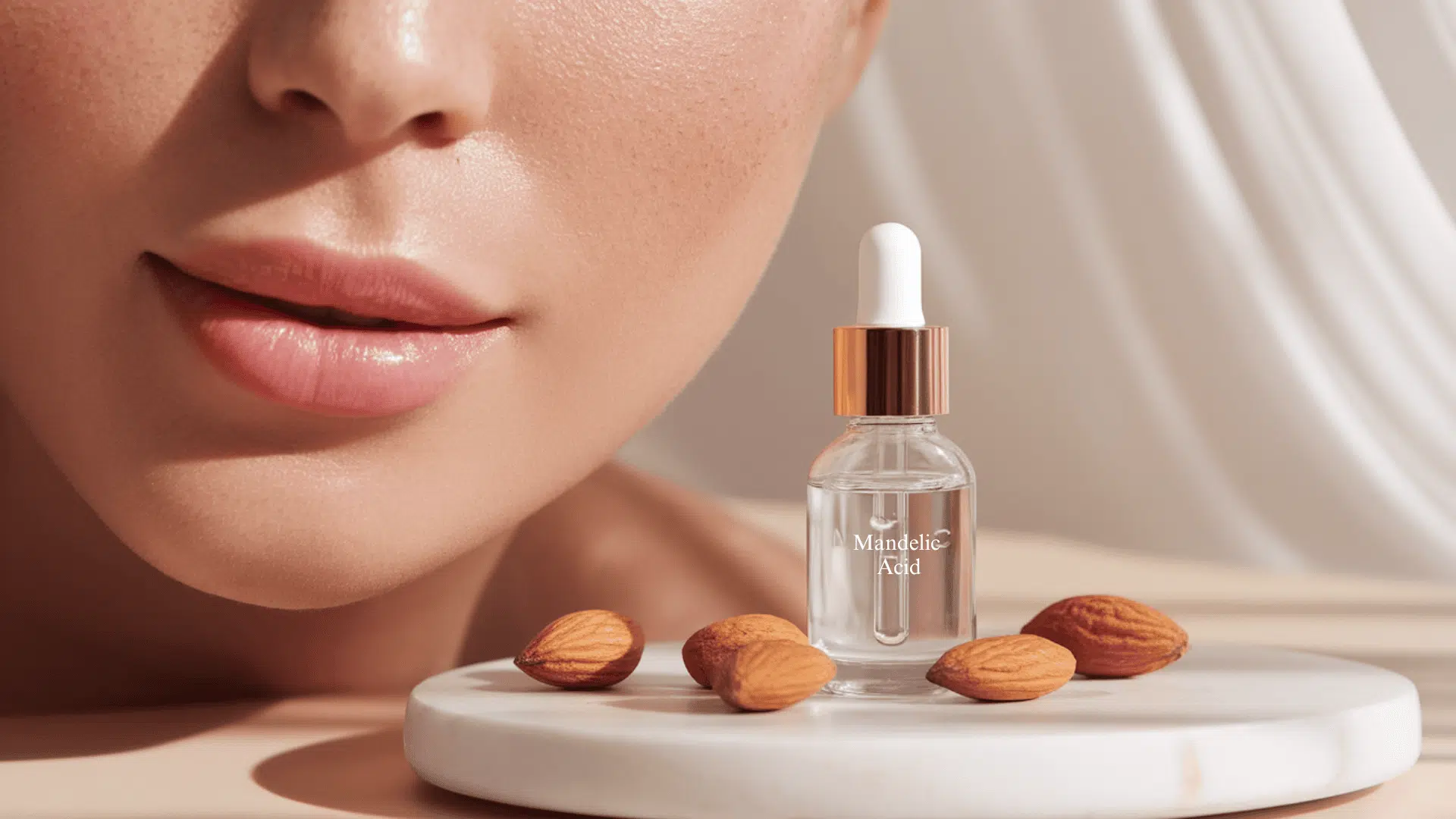
Mandelic acid is an alpha-hydroxy acid, or AHA, that comes from bitter almonds. It has a larger molecular structure than other popular acids, such as glycolic or lactic acid.
This bigger size means it penetrates the skin more slowly and gently. Because of this slower absorption rate, mandelic acid is much kinder to your skin.
It works without causing the redness or irritation that stronger acids often bring. Think of it as the gentle cousin in the AHA family.
While glycolic acid rushes in fast and can sting, mandelic acid takes its time. This makes it perfect for people with sensitive skin or anyone new to chemical exfoliation.
Benefits of Mandelic Acid for Skin

So, what makes mandelic acid stand out in the crowded world of exfoliants? Here are the top reasons it deserves a spot in your skincare routine
1. Gentle Yet Effective Exfoliation
Mandelic acid removes dead skin cells from the surface without causing redness or peeling. Its large molecular size means it works slowly and carefully. This makes it a safe choice for sensitive skin types.
People with darker skin tones can use it without worrying about irritation or discoloration. You get smooth, fresh skin without the burning sensation that other acids can cause.
2. Brightens and Evens Out Skin Tone
If you struggle with dark spots or uneven patches, mandelic acid can help. It works to fade hyperpigmentation by breaking down excess melanin in the skin.
Post-acne marks and sun damage start to lighten with regular use. Your complexion becomes more balanced and clear. Over time, you’ll notice a more even tone that looks naturally brighter.
3. Improves Acne and Breakouts
Mandelic acid has strong antibacterial properties that fight acne-causing bacteria on your skin. It gets into your pores and clears out the oil and debris that lead to breakouts.
At the same time, it reduces inflammation and calms angry, red pimples. Regular use helps prevent new acne from forming. Your skin stays clearer and feels less congested.
4. Anti-Aging Support
As we age, collagen production slows down, leading to wrinkles and sagging. Mandelic acid helps stimulate your skin to produce more collagen naturally.
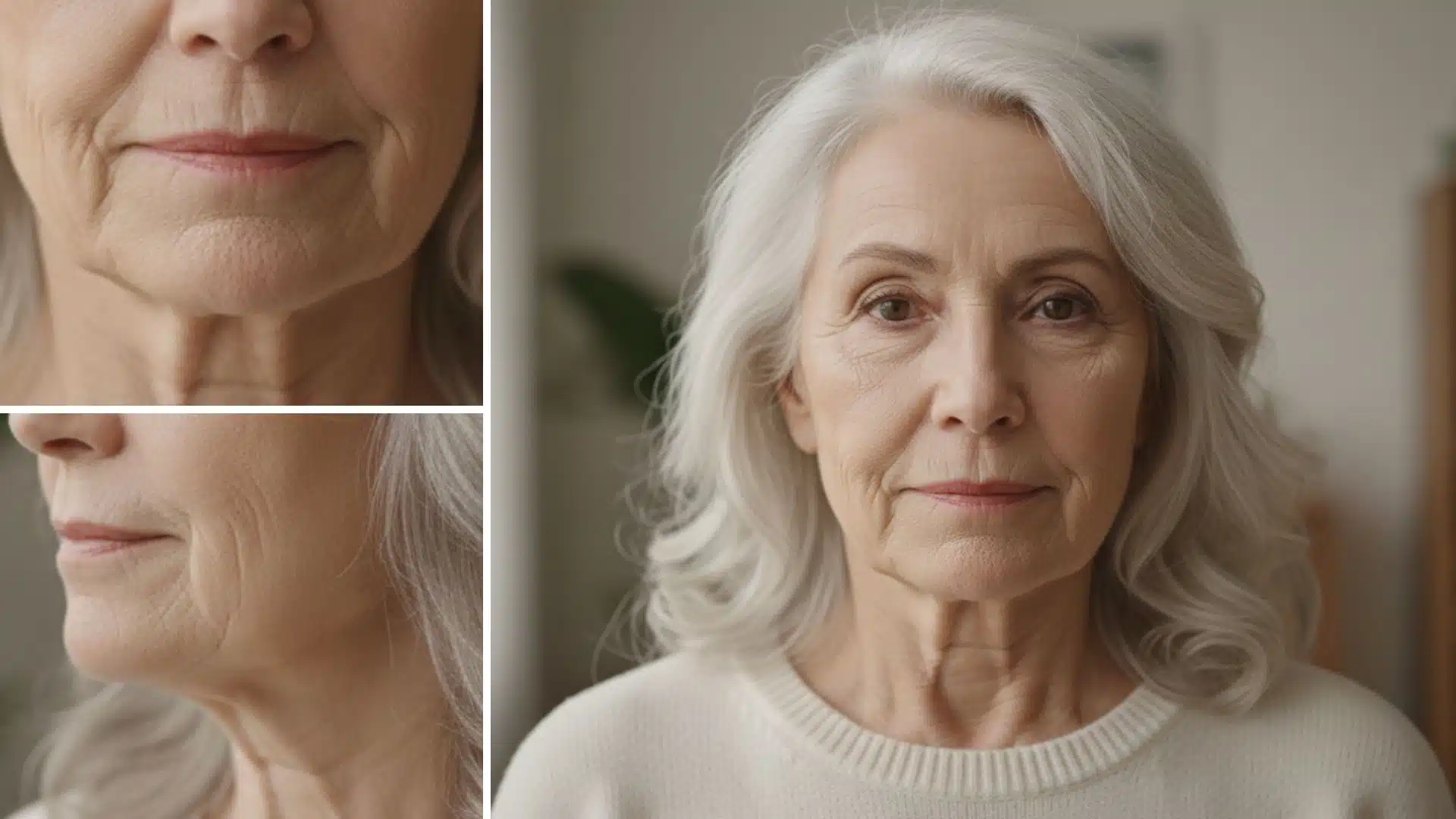
This makes your skin firmer and more supple over time. Fine lines become less visible, and your overall texture improves. It’s a gentle way to support youthful-looking skin without harsh treatments.
5. Enhances Skin Radiance and Clarity
Mandelic acid speeds up cell turnover, which means old, dull cells are replaced faster. This process reveals fresh, glowing skin underneath. Your face looks more radiant and feels smoother to the touch.
The buildup that makes skin look tired and flat gets cleared away. You end up with a natural, healthy glow that doesn’t need makeup to shine through.
Mandelic Acid Side Effects and Precautions
While mandelic acid is known for being one of the gentlest exfoliating acids, it’s still important to understand its potential side effects and how to use it safely.”
| Side Effect | What to Do |
|---|---|
| Mild Tingling | Normal at first. If it burns, wash off and use less often. |
| Dryness or Flaking | Apply a good moisturizer and reduce frequency. |
| Redness | Start with lower concentrations 2-3 times per week. |
| Sun Sensitivity | Always wear SPF 30 or higher daily. |
| Patch Testing | Test on a small area first and wait 24 hours. |
| How Often to Use | Beginners: 2-3 times weekly. Experienced: daily if tolerated. |
Pro Tip: Never skip sunscreen when using mandelic acid. Sun protection keeps your skin safe and prevents damage.
How to Use Mandelic Acid Safely?

Even gentle acids need careful use. Here’s how to add mandelic acid to your skincare routine safely and effectively.
Beginners should start with 5% to 10% mandelic acid products and use them two to three times per week. Experienced users can apply up to 15% or higher concentrations daily once their skin adjusts.
Step-by-Step Guide: Cleanse → Apply → Moisturize → SPF
Start by washing your face with a gentle cleanser, then pat it dry completely.
Apply your mandelic acid serum or toner to clean skin, avoiding the eye area.
Wait a few minutes, then follow with a hydrating moisturizer to lock in moisture.
In the morning, always finish your skincare routine with broad-spectrum SPF to protect your skin from sun damage.
Pairing with Other Skincare Ingredients
Mandelic acid works well with hydrating ingredients like hyaluronic acid and niacinamide, which calm and support your skin.
Avoid mixing it with other strong acids, such as glycolic acid, retinol, or vitamin C, in the same routine, as this can cause irritation.
If you want to use multiple actives, apply mandelic acid at night and save other treatments for the morning.
Mandelic Acid vs. Other Acids

Mandelic acid isn’t the only exfoliating acid out there. Here’s how it compares to others like glycolic, lactic, and salicylic acid.
| Acid | Type | Strength | Best For | Key Benefits | Irritation Risk |
|---|---|---|---|---|---|
| Mandelic Acid | AHA | Gentle | Sensitive, acne-prone skin | Exfoliates, brightens, and clears acne | Low |
| Lactic Acid | AHA | Mild | Dry or dull skin | Hydrates + smooths | Low–Moderate |
| Glycolic Acid | AHA | Strong | Dull, aging skin | Refines texture, boosts glow | Moderate–High |
| Salicylic Acid | BHA | Moderate | Oily, acne-prone skin | Clears pores, reduces acne | Moderate |
| Azelaic Acid | Dicarboxylic | Mild | Redness, rosacea | Brightens, calms, anti-acne | Low |
| PHA (e.g., Gluconolactone) | PHA | Very Gentle | Very sensitive skin | Hydrates + mildly exfoliates | Very Low |
Who Should Use Mandelic Acid?
Mandelic acid works beautifully for oily, acne-prone, sensitive, and mature skin types because of its gentle nature.
If you have breakouts, uneven tone, or fine lines, this acid can address all those concerns without harsh effects.
However, some people need to be careful before using it. If you have a nut allergy, check with your doctor first, as mandelic acid is derived from almonds.
Pregnant or breastfeeding women should consult their healthcare provider before adding it to their skincare routine.
Also, if you’ve recently had a chemical peel, laser treatment, or any facial procedure, wait until your skin fully heals before introducing mandelic acid.
Best Mandelic Acid Products to Try
Now that you know how to use mandelic acid safely, let’s look at some of the best products that deliver real results.
- Mandelic Acid Serums: Serums offer concentrated formulas that penetrate deeply and work best for targeting specific concerns like acne, dark spots, or fine lines.
- Mandelic Acid Toners: Toners provide a lighter, easy-to-use option that preps your skin after cleansing and can be used daily for gentle exfoliation.
- Mandelic Acid Chemical Peels: Chemical peels deliver higher concentrations for more intensive treatment, giving faster results but requiring careful use and less frequent application.
| Category | Product | Strength | Key Highlights |
|---|---|---|---|
| Serum | The Ordinary Mandelic Acid 10% + HA | 10% | Gentle daily exfoliant with hydration boost |
| Serum | The Inkey List Mandelic Acid Treatment | 10% | Beginner-friendly, smooths texture, fades spots |
| Toner | BY WISHTREND Mandelic Acid 5% Skin Prep Water | 5% | Mild exfoliating toner for sensitive skin |
| Toner | Naturium Mandelic Topical Acid 12% | 12% | Stronger exfoliating liquid for experienced users |
| Chemical Peel | Medicreate 30% Mandelic Acid Peel | 30% | Deep exfoliation brightens skin tone |
How to Maximize Mandelic Acid Results?
To get the most out of mandelic acid, pair it with hydrating ingredients like niacinamide or hyaluronic acid to keep your skin plump and calm.
Always use mandelic acid at night since your skin repairs itself while you sleep, and this timing reduces the risk of sun sensitivity.
Make SPF a non-negotiable part of your morning routine to protect your freshly exfoliated skin from UV damage.
When you’re just starting out, avoid layering mandelic acid with other strong actives like retinol, glycolic acid, or vitamin C in the same routine.
Give your skin time to adjust before introducing multiple treatments. This simple approach helps you see results without overwhelming or irritating your skin.
Wrapping It Up
Mandelic acid is a gentle yet powerful solution for healthier, brighter skin. Its slow absorption and mild nature make it perfect for anyone wanting results without irritation.
From clearing acne to fading dark spots and smoothing fine lines, this AHA does it all. The key is to start slow, test first, and stay consistent.
Remember to pair it with a good moisturizer and never skip sunscreen during the day. With patience and proper use, you’ll see your skin transform into a clearer, more radiant version of itself.
Ready to experience the benefits of mandelic acid? Start with a lower concentration product and give your skin time to adjust.
Your glow is waiting. Take the first step today and let mandelic acid work its magic on your skin!