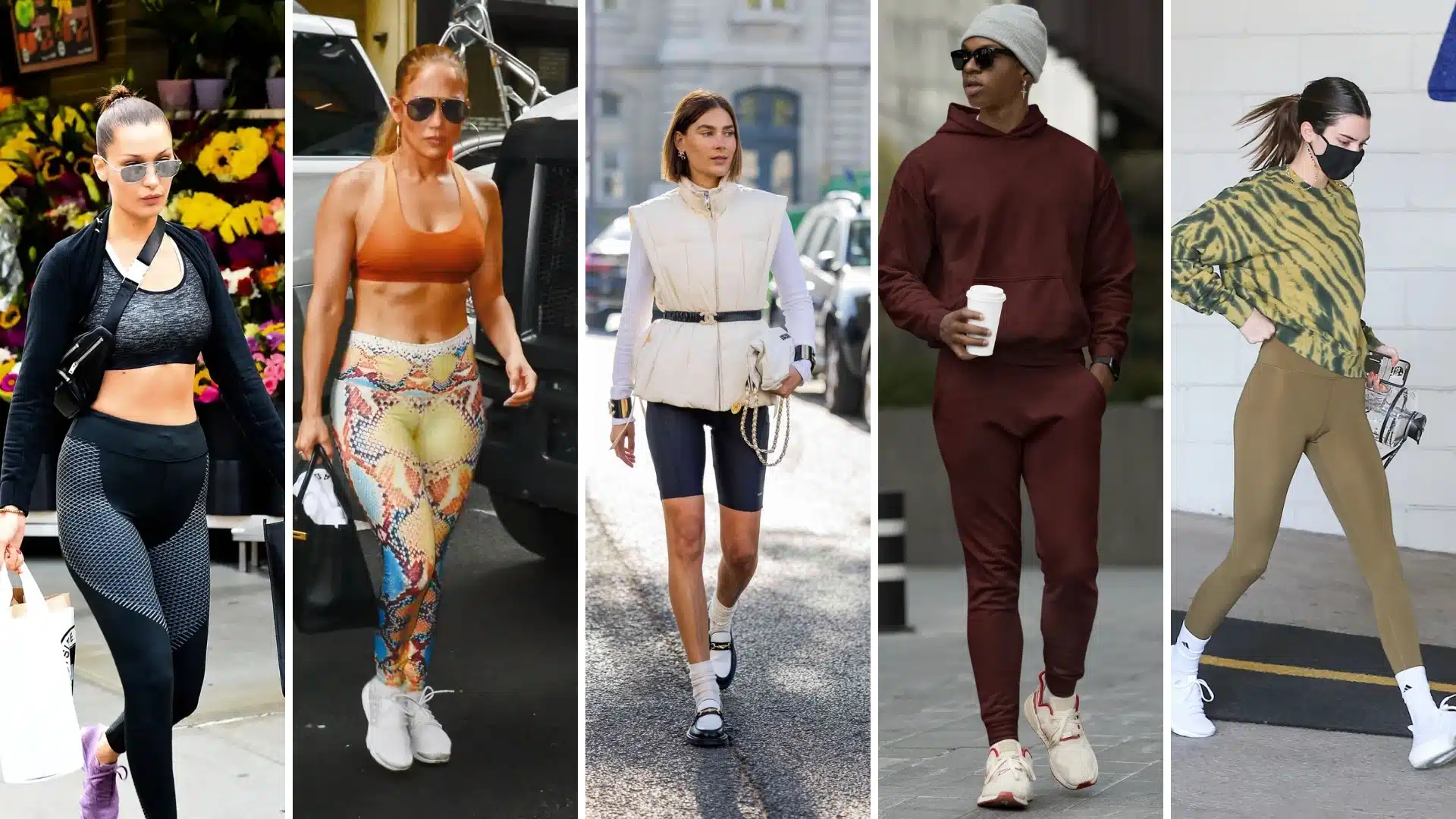
Have you noticed how gym clothes ended up everywhere except the gym? Athleisure style has quietly changed what we consider acceptable to wear in public spaces.
Basic workout pieces now show up in places that once demanded more formal attire. People grab leggings for weekend plans, throw on joggers for casual Fridays, and choose sneakers over dress shoes whenever the option exists.
This shift signals something deeper than just clothing preferences taking over closets everywhere.
Fashion adapted to match actual lifestyles instead of imposing outdated rules about proper dressing that nobody wanted to follow anyway.
The movement speaks to changing values about how we spend our time, energy, and attention on what we wear each day.
Athleisure Style: A Fashion Revolution
Athleisure represents the meeting point between performance gear and everyday clothing.
Born from a growing interest in fitness and wellness culture, this category prioritizes versatility above all else.
The concept centers on pieces that move with you throughout your day. Unlike traditional workout clothes that stay confined to fitness centers, athleisure items fit naturally into daily routines.
This fusion has redefined what casual dressing means, proving that comfort and style don’t have to exist separately.
Timeline of Athleisure’s Evolution

The early 1900s saw athletic clothing serve a purely functional purpose for sports participation.
Fast forward to the 1970s, and the fitness boom introduced more comfortable gym options as exercise became a lifestyle choice.
The 2000s marked a turning point with yoga pants entering everyday wardrobes, signaling a shift in how people thought about workout gear.
By the 2010s, athletic-inspired pieces had firmly established themselves as legitimate streetwear, appearing on runways and sidewalks alike.
The 2020s cemented this progression as remote work and changing priorities made comfort-first dressing not just acceptable but expected in professional and casual environments.
Each decade built upon the last, gradually erasing the line between performance wear and daily fashion.
Key Elements that Define Athleisure Wear
Athleisure wear is defined by comfort, performance fabrics, and versatile design.
Common Athleisure Pieces

- Leggings and joggers form the foundation, offering unrestricted movement while maintaining a polished appearance
- Sports bras and supportive tanks function as both undergarments and standalone tops, depending on the styling
- Hoodies and zip-ups provide layering options that transition between temperature changes and dress codes
- Sneakers complete the look, bridging the gap between athletic footwear and fashion-forward choices
Fabric Innovations in Athleisure

- Moisture-wicking technology pulls sweat away from skin, keeping wearers dry during physical activity and throughout warm days
- Stretchable materials like spandex, nylon, and elastane allow garments to move naturally with the body without losing shape
- Breathable constructions prevent overheating by allowing air circulation while maintaining coverage
- Durability features ensure pieces withstand repeated washing and wear without pilling or fading
- Eco-friendly alternatives have gained traction, with recycled polyester and organic cotton becoming more common in production
How Athleisure Style Became Mainstream

The cultural shift started off with celebrities normalizing wearing workout-adjacent pieces in non-gym settings, posting photos in leggings at airports, cafes, and shopping districts.
Major brands recognized the opportunity and positioned athleisure not just as clothing but as a lifestyle choice, launching marketing campaigns that emphasized living actively.
The trend gained serious momentum as companies expanded beyond fitness-focused customers to target anyone seeking comfortable daily wear.
This acceptance removed the final barrier, allowing athleisure to integrate fully into both professional and casual settings across demographics.
Athleisure vs Activewear: What’s the Difference?
While often used interchangeably, athleisure and activewear serve distinct purposes in fashion.
Activewear: For the Gym, Not the Street

Activewear exists primarily for exercise sessions. The focus stays on performance features, durability during intense movement, and functionality specific to different workouts.
Running shoes with maximum cushioning, compression shorts for muscle support, and moisture-wicking tanks fall into this category.
These pieces excel at their intended purpose but typically lack the design elements that make them suitable for non-athletic situations.
Athleisure: Blending Fashion with Function

Athleisure intentionally moves beyond gym walls.
The design process emphasizes versatility, ensuring pieces look intentional rather than like you forgot to change after working out.
Comfort remains important, but style considerations carry equal weight.
These items suit casual hangouts, errands, travel, and increasingly, work environments where dress codes have relaxed.
The Cultural Impact of Athleisure

Athleisure has influenced more than just fashion. At this point, it has become a cultural statement.
Wellness and Self-Care Trend
- Health-conscious values find expression through clothing choices that signal an active lifestyle
- Self-care priorities manifest in selecting garments that feel good physically and mentally
- Yoga, meditation, and fitness connect directly to athleisure’s rise, with each practice reinforcing the others
Changing Dress Codes
- Workplace expectations have loosened significantly, with many offices now accepting athletic-inspired attire
- School environments increasingly permit comfortable clothing that would have violated codes decades earlier
- Formal occasions have seen boundaries blur, with some events welcoming upscale athleisure interpretations
The Role of Major Brands in Popularizing Athleisure
Lululemon pioneered the category by positioning yoga pants as premium lifestyle items rather than basic workout gear.
Nike and Adidas expanded their offerings beyond pure performance products, creating collections suitable for everyday wear.
Athleta built an entire brand identity around versatile athletic-leisure pieces.
The real validation came when luxury houses like Gucci and Prada introduced athleisure elements into their lines, signaling that the category had achieved high-fashion legitimacy.
Marketing strategies relied heavily on collaborations, with social media personalities showcasing how to style these pieces in aspirational ways.
The global retail market responded by dedicating increasing floor space to athleisure sections, recognizing consistent consumer demand.
Athleisure in Today’s Fashion Scene
The category continues expanding in retail spaces worldwide, showing no signs of declining popularity.
Luxury brands have gone from experimenting with athleisure touches to fully committing to dedicated collections.
The style has merged with streetwear aesthetics, creating hybrid looks that feel current and relevant.
Sustainability concerns have pushed brands to develop eco-conscious versions using recycled materials and ethical production methods. The post-pandemic world cemented casual comfort as a permanent preference rather than a temporary adjustment.
Fashion forecasters predict the trend’s longevity, noting that once people experience the convenience of versatile, comfortable clothing, they rarely want to return to restrictive alternatives.
The category has matured from a novelty into a foundational element of contemporary wardrobes.
Conclusion
Athleisure style represents more than a passing fashion moment. The category gained traction because it solved real problems people face when getting dressed.
Clothes that work for multiple situations without requiring constant outfit changes make practical sense. This explains why the trend continues growing rather than fading away like other fashion movements.
The success of athleisure shows that when clothing aligns with how we actually live, it sticks around.
Looking ahead, this approach to dressing will likely remain standard rather than exceptional.
The shift from restrictive fashion to functional choices reflects broader changes in lifestyle priorities.
Athleisure permits dressing for real life instead of aspirational images.