
You spent years thinking your hair was just frizzy and uncooperative. It never stayed sleek like straight hair. It never bounced like curly hair. It just sat there, puffy and confused.
Sound familiar?
Your hair might actually be wavy. All those years of fighting it with brushes, flat irons, and smoothing products probably hid your natural texture the whole time.
Naturally wavy hair is one of the most misunderstood hair types.
Millions of people walk around thinking they have “bad” straight hair when they actually have waves waiting to come out.
This guide is for every confused wavy out there. Learn how to spot the signs, test your texture, and finally work with your hair instead of against it.
What Does Wavy Hair Actually Look Like? (2 A, 2 B, 2 C Explained)
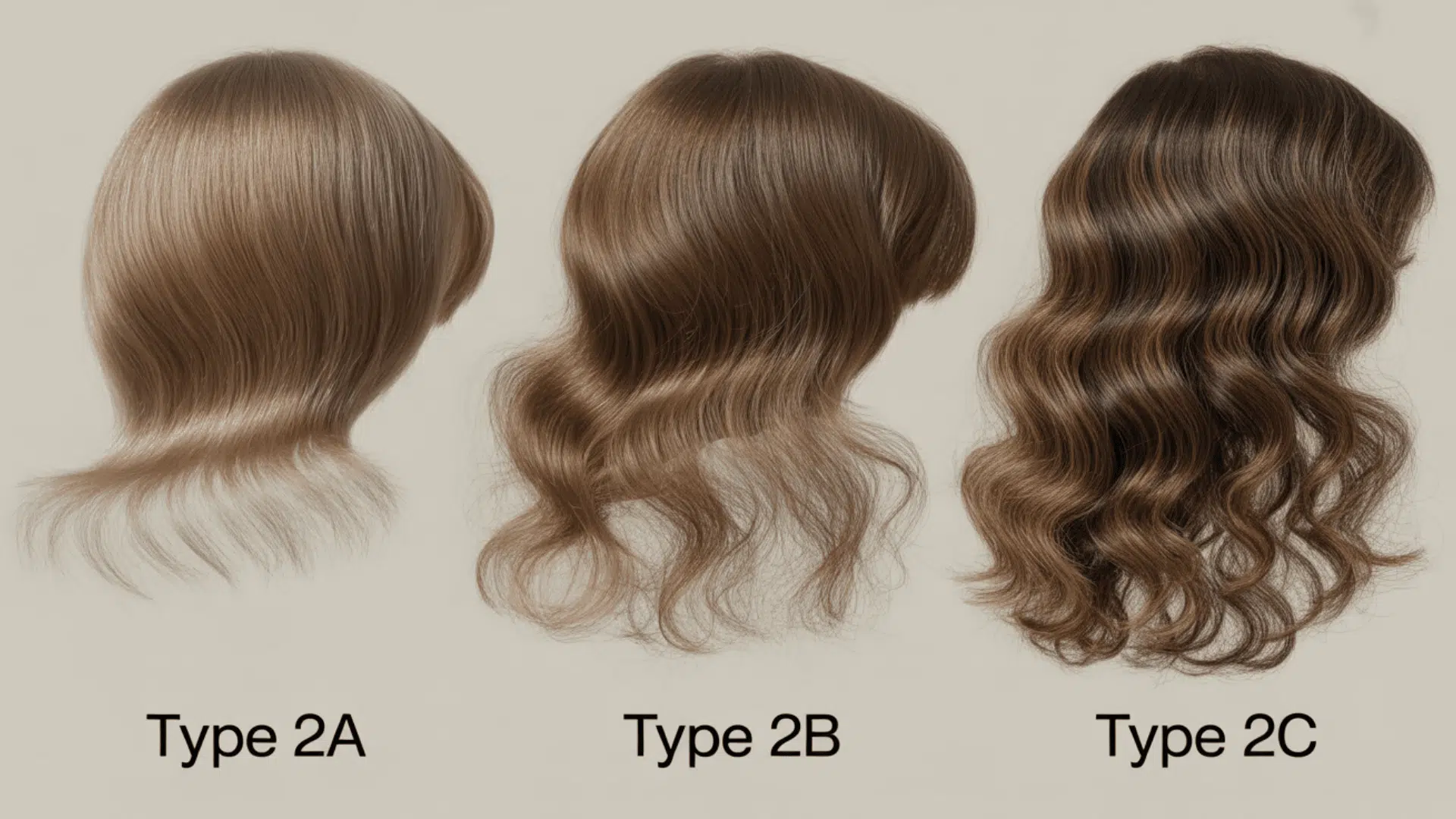
Wavy hair falls under Type 2 in the hair classification system. But within that category, waves vary a lot. Some barely show. Others border on curly. Here is how the three types break down.
2 A – The “Is This Even Wavy?” Waves
Type 2A is the subtlest of all. The hair looks almost straight at first glance. Waves only appear toward the mid-lengths and ends. The texture is fine and soft. It straightens easily and gets weighed down fast.
Many 2A wavies spend years thinking they just have limp, flat hair.
2B – The “Good Hair Day, Bad Hair Day” Waves
Type 2B has a clear “S” shape that starts closer to the roots. The waves have more body and volume. But frizz is a constant battle, especially around the crown.
Some days the waves look great. Other days, they puff into chaos. Welcome to the 2B life.
2C – The “Almost Curly but Not Quite” Waves
Type 2C sits right on the edge of curly territory. The waves are thick, defined, and start at the roots. Some strands even form loose spirals.
This type has the most volume but also the most frizz. Dryness is a real struggle. Many 2C wavies get mistaken for having curly hair.
Most heads have a mix of wave types. The crown might be 2A, while the underneath is 2C. That is completely normal.
Now that the waves are showing up, the next step is learning how to maintain them properly.
How to Care for Naturally Wavy Hair? (Simple Routine)

Caring for wavy hair does not need to be complicated. A few simple steps keep your waves healthy and defined.
1. Wash and Condition Basics
Use a sulfate-free shampoo on your scalp only. Sulfates strip moisture and cause frizz. Gentle cleansers do the job without the damage.
Apply conditioner to mid-lengths and ends only. Skip the roots to avoid flat, greasy hair. Use a wide-tooth comb to spread it evenly and detangle while the hair is slippery.
Rinse with cool water to seal the cuticle. This adds shine and reduces frizz. Wash two to three times per week. Find the balance that works for your hair.
Pro tip: Let conditioner sit for two to three minutes before rinsing for extra hydration.
2. Styling Routine that Supports Waves
Apply products to soaking wet hair. This helps waves form and locks in moisture. Dry hair does not absorb products the same way.
Scrunch sections upward toward your scalp to form clumps. Clumps are groups of strands that wave together. They create definition instead of frizz.
Air-dry or use a diffuser on low heat. High heat causes frizz and damage. The golden rule? Do not touch your hair while it dries. Hands off until completely dry.
Pro tip: Flip your head upside down while scrunching for extra volume at the roots.
3. Refreshing Waves Between Washes
Waves lose shape overnight. Pillows flatten some sections. Others frizz up. Refreshing saves time and extends your style.
Mist hair with water and a little conditioner. Focus on flat or frizzy areas. Do not soak the hair. Just enough to dampen it.
Scrunch to reactivate your wave pattern. The moisture wakes up products already in your hair. Skip adding extra product to avoid buildup.
Pro tip: Use a silk or satin pillowcase to reduce frizz and keep waves intact overnight.
But even after finding your waves, keeping them defined is another challenge. Here is why waves disappear and how to bring them back.
Why Wavy Hair Loses Definition Over Time?
Waves can disappear even when the texture is there. Several habits strip away definition without you noticing.
Product buildup is a major cause. Styling products and silicones coat hair over time, weighing strands down.
Heavy creams and oils create the same problem. Wavy hair cannot handle thick formulas. Too much weight pulls the waves straight.
Heat styling trains hair to lie flat. Flat irons and blow dryers weaken the natural pattern over time.
Over-washing strips natural oils, triggering more oil production. Waves turn frizzy instead of defined.
Wrong haircuts hurt, too. Too much length without layers drags the waves down. Blunt cuts add weight where waves need movement.
The routine matters, but so do the products. The wrong ones can undo all your hard work. Here is what works best for wavy hair and what to avoid.
Productsthat Work Best for Wavy Hair
Wavy hair needs lightweight formulas that add hold without weighing down waves. The right product depends on your wave type and hair thickness.
| Product Type | Recommended Products | Best For | Why It Works |
|---|---|---|---|
| Gels | • Bouclème Curl Defining Gel • Umberto Giannini Curl Jelly | All wave types | Defines waves and controls frizz without heavy residue |
| Mousses | • Not Your Mother’s Curl Talk Mousse • Function of Beauty Zero Gravity | 2A and 2B waves | Adds volume and hold without weighing hair down |
| Foams | • Giovanni Hair Styling Foam • Innersense I Create Lift | Fine to medium waves | Lightweight texture with flexible hold |
| Light Creams | • Briogeo Curl Charisma Cream • JVN Complete Air Dry Cream | 2B and 2C waves | Adds moisture while keeping waves bouncy |
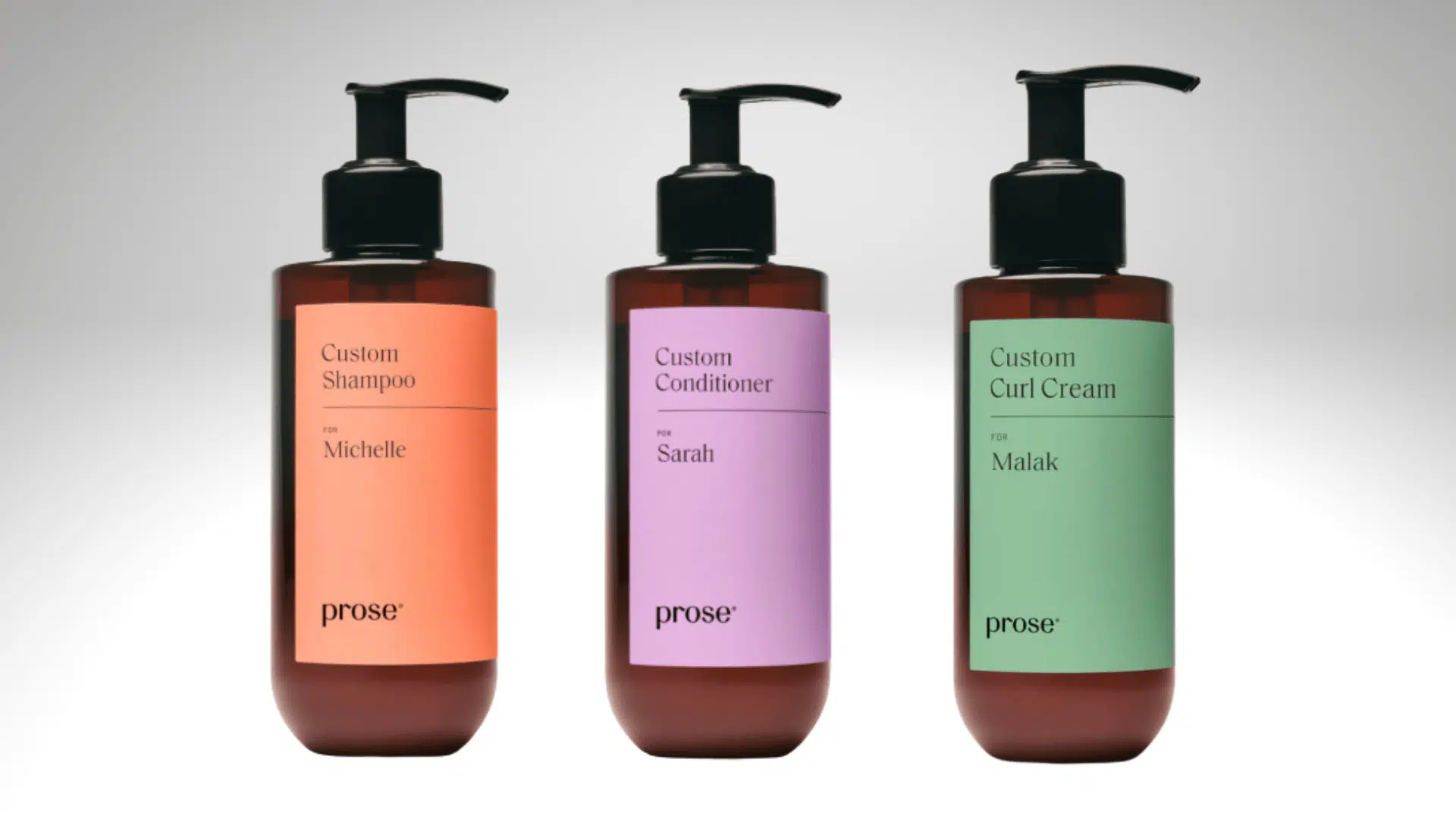
| Oils | • Moroccanoil Treatment Light • Kérastase Glaze Drops | 2C thick waves only | Seals in hydration for coarse, dry strands |
Avoid products with silicones if you skip clarifying washes. Silicones build up fast and block moisture from reaching your strands. Start with less product than you think you need. You can always add more.
The right haircut also plays a big role in how your waves behave.
Mistakes Every Wavy Makes at First
Learning to care for wavy hair takes trial and error. Almost every wavy makes these mistakes in the beginning. Knowing them up front saves a lot of frustration.
- Brushing dry hair: This breaks up wave clumps and turns texture into frizz. Only detangle when hair is wet and loaded with conditioner.
- Using too much product: More product does not mean more waves. It means weighed down, crunchy, or greasy hair. Start small and add only if needed.
- Touching hair while drying: Every touch disrupts the wave pattern as it forms. Keep your hands off until the hair is completely dry.
- Skipping clarifying washes: Product buildup coats strands and flattens waves over time. Clarify once every two to four weeks to reset your hair.
- Using hot water: Hot water opens the cuticle and causes frizz. Rinse with cool or lukewarm water to seal in moisture.
- Rubbing with a regular towel: Regular towels rough up the cuticle and create frizz. Scrunch gently with a microfiber towel or cotton t-shirt instead.
- Expecting perfect waves every day: Wavy hair has a mind of its own. Some days will be great. Others will be ponytail days. That is completely normal.
- Avoiding blunt cuts: Avoid blunt cuts if your waves fall flat easily. A blunt edge adds weight right where you need movement. Ask your stylist for soft, textured ends instead.
These mistakes are part of the learning process. Once you know what to avoid, embracing your natural waves gets much easier.
Conclusion
Naturally wavy hair is more common than most people realize. Years of brushing, heat styling, and wrong products can hide your true texture. But with a few simple changes, waves start showing up again.
Now you know the signs to look for and how to test your pattern. You understand the difference between 2A, 2B, and 2C waves. You have a routine for washing, styling, and refreshing.
The right products and haircut make waves easier to manage. Avoiding common mistakes keeps your pattern defined.
Wavy hair will never look the same twice. Some days will be perfect. Others will need a ponytail. Both are okay. Give your waves a chance and see what they can do.
Frequently Asked Questions
How to Tellif You Have Naturally Wavy Hair?
Wash your hair with a clarifying shampoo and let it air-dry without touching it. If your hair forms bends or an “S” shape, you have natural waves. Frizz when brushing dry and waves at the ends are also common signs.
What is the Rarest Hair Type?
Type 1A is often considered the rarest hair type. This texture is completely straight, very fine, and cannot hold a curl. However, rarity depends on genetics and varies across different populations.
What Ethnicity Has Naturally Wavy Hair?
Naturally wavy hair appears across all ethnicities. Europeans, Middle Easterners, South Asians, and Latin Americans commonly have wavy textures. Hair type comes from genetics, not a single background or region.