I used to fill up my kitchen trash bag every two days. Sometimes faster. Coffee cups, plastic wrap, takeout boxes, food scraps. It all piled up without me thinking twice.
Then one evening, I looked at the bin and asked myself a simple question. Where does all of this actually go?
That question changed how I shop, cook, eat, and even get ready in the morning. And no, I did not turn into one of those people with a year’s worth of trash in a tiny jar. Not even close.
According to the EPA, the average American throws away nearly 4.9 pounds of waste per day. That number shocked me. But what surprised me more was how easy it was to cut it down with a few basic changes.
In this blog, I will share what a zero-waste lifestyle looks like in real life, how I got started, and what actually worked for me as a complete beginner.
What Is a Zero Waste Lifestyle?
Before I made any changes, I needed to understand what this whole thing actually meant. And honestly, I had it wrong at first. It is not about recycling better.
A zero-waste lifestyle is about creating less waste in the first place. It is a way of living that aims to reduce what goes into your trash can. You do this by being more thoughtful about what you buy, use, and throw away.
Bea Johnson, author of Zero Waste Home, puts it in five simple steps. Refuse what you do not need. Reduce what you use. Reuse what you can. Recycle only what is left. And rot (compost) the rest.
When I first read that, it clicked. I did not need to be perfect. I just needed to stop buying things I did not actually need. And I needed to find better uses for the stuff I already had.
That shift in thinking made everything easier from day one.
Why I Switched to a Zero Waste Lifestyle
I did not start this because I wanted to save the planet overnight. I started because I was tired of how much stuff I was throwing away.
Once I paid attention, the waste was everywhere. Plastic bags from the grocery store. Containers from last night’s takeout. Food I bought but never cooked. It felt wasteful, and honestly, it felt expensive too.
The USDA estimates that Americans waste between 30% to 40% of the food they buy each year. When I heard that, I realized I was part of the problem. And fixing it did not require a huge effort. It just needed a bit of awareness.
Here is what changed for me after a few weeks of trying:
- My trash output dropped by nearly half
- I spent less on groceries because I stopped buying things I did not need
- My home felt less cluttered and more organized
- My routines became simpler and more intentional
The best part? None of it felt hard. It just felt like common sense once I got going.
How to Start a Zero Waste Lifestyle?

Getting started was the part that scared me the most. I thought I needed to overhaul my entire life. I did not. Here is what actually helped.
1. Start Small Instead of Changing Everything
My biggest mistake early on was trying to fix everything at once. I swapped my bags, my bottles, my shampoo, my food storage, all in one week.
It was too much. What worked better was picking just one thing. I started with a reusable water bottle. That was it. One change. And it stuck.
2. Use What You Already Have First
This was the best advice I got. You do not need to go out and buy a bunch of bamboo products. Use the plastic containers already sitting in your cabinet. Finish the bottled soap before switching to a bar. The most low-waste thing you can do is use what is already in your home.
3. Identify Your Biggest Sources of Waste
I spent one week paying close attention to my trash. I noticed that most of it came from food packaging, plastic wraps, and food scraps. Once I knew that, I stopped guessing and focused my energy where it mattered most. This step alone made a noticeable difference.
4. Build Simple Daily Habits
A few habits that helped me the most include planning meals before grocery runs, prepping a small kit of reusables before leaving the house, and pausing before every purchase to ask, “Do I actually need this?”
These small routines became second nature within a month. And the results showed up fast in my trash output.
Zero Waste Lifestyle Tips for Everyday Living
Once I had the basics down, I started making swaps room by room. Here are the ones that gave me the biggest results.
Kitchen Tips
The kitchen was my biggest source of waste. I switched to reusable glass containers for leftovers and started buying dry staples like rice, lentils, and oats in bulk. Meal planning was a turning point for me. I stopped buying food I would never cook.
According to the EPA, food makes up about 22% of all solid waste in the US. That stat alone pushed me to take my kitchen habits more seriously.
Bathroom Tips
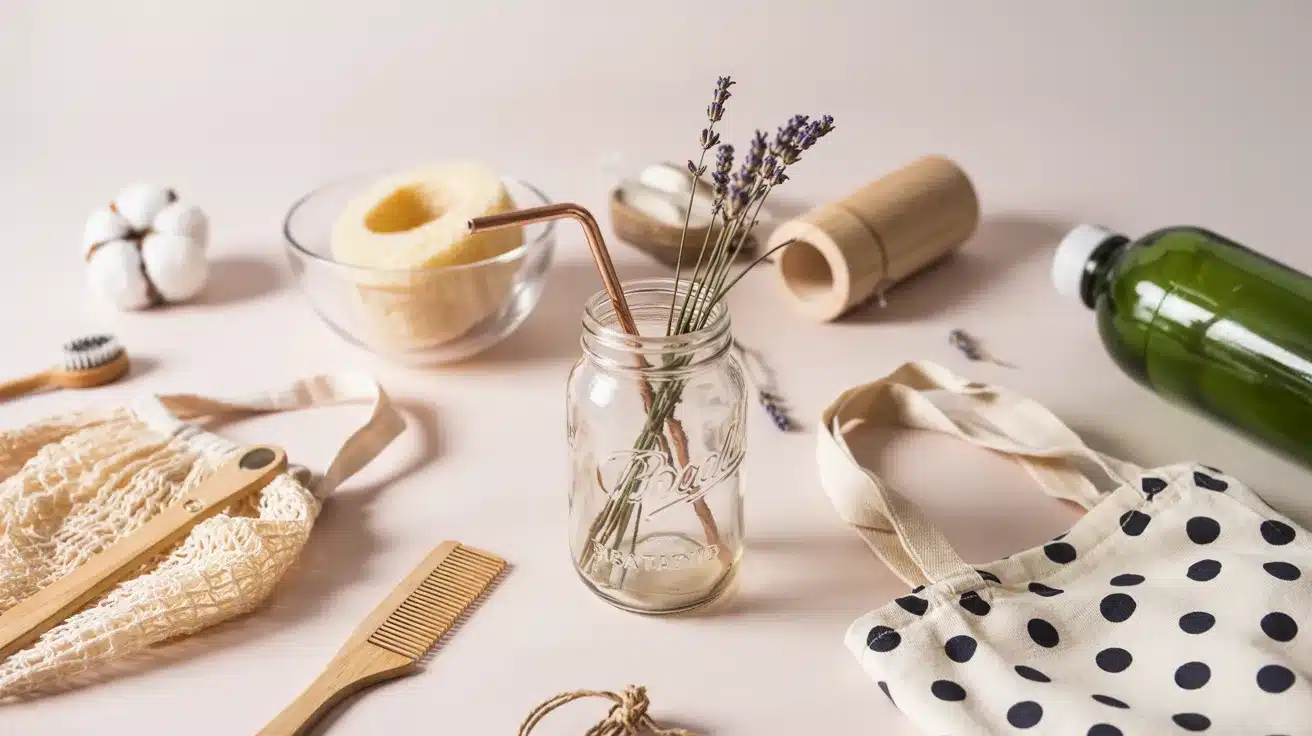
Swapping to bar soap and shampoo bars was easier than I expected. I also switched to a bamboo toothbrush and started using reusable cotton rounds.
If you are rethinking your skincare routine too, switching to reef-safe sunscreen or trying homemade face masks are small but meaningful steps.
Shopping Tips
I keep reusable bags in my car and my backpack at all times and started choosing loose fruits and vegetables over pre-packaged ones. I also became more aware of how fast fashion brands operate and began buying secondhand clothes instead.
On-the-Go Tips
A reusable water bottle, a travel coffee cup, and a small cutlery set in my bag were the three items that made the biggest difference outside the house. They paid for themselves within weeks. And they kept a surprising amount of single-use plastic out of my daily routine.
Simple Habits That Make a Big Difference
You do not need a complete makeover to reduce waste. A few consistent habits go a long way.
Saying no to freebies and promotional items was a big one for me. I also started repairing clothes and shoes instead of tossing them. Old glass jars became storage containers. Vegetable peels and scraps went into a small compost bin on my balcony.
None of these things cost money. But together, they made a visible dent in how much trash I produced each week. That is the thing about this lifestyle. The smallest changes often bring the biggest results.
Common Mistakes When Starting a Zero-Waste Lifestyle
I made all of these mistakes myself. So trust me when I say they are easy to avoid once you know about them.
Trying to be perfect from day one: A zero-waste lifestyle is not about zero trash. It is about less trash. Give yourself room to learn.
Throwing away usable items to start fresh: I once tossed a set of plastic containers just because they were not glass. That created more waste, not less. Use what you have until it wears out.
Buying too many eco-friendly products at once: There is a whole market of green products out there. But buying more stuff, even sustainable stuff, defeats the purpose. Buy only when you need a replacement.
Thinking recycling is enough: Recycling helps. But it is the last step, not the first. Reducing and reusing should always come before recycling.
Can You Really Live a Zero Waste Lifestyle?
Let me be honest here. I still produce waste. I still grab a plastic-wrapped snack sometimes. I am not perfect, and I never will be.
But that was never the goal. The idea behind a zero-waste lifestyle is progress, not perfection. Even small, partial changes add up over time.
Kathryn Kellogg, founder of Going Zero Waste, estimates that her low-waste habits saved her $18,000 in just two years. That alone proves you do not need to go all in to see real results.
If I could go back and tell my past self one thing, it would be this: stop waiting for the perfect moment. Just start with what you have.
Final Thoughts on Starting a Zero Waste Lifestyle
In summary, a zero-waste lifestyle is not about having an empty trash can. It is about filling it less often. You do not need to buy special products. You do not need a perfect system. You just need to start.
What I have learned from my own experience is that consistency wins every time. One reusable bag leads to one reusable bottle. That leads to meal planning. And before you know it, your daily habits look completely different from where you started.
The small stuff adds up. And the best time to start is right now.
What will your first zero-waste swap be? Share it with us in the comments.
Frequently Asked Questions
What is a Zero-Waste Lifestyle?
It is a way of living focused on sending less trash to landfills by refusing, reducing, reusing, recycling, and composting. The goal is less waste, not zero.
What is the Easiest First Step Toward Zero-Waste Living?
Switch to a reusable water bottle and carry your own shopping bags. These two swaps alone cut a large amount of weekly plastic waste.
Does a Zero-Waste Lifestyle Cost More Money?
Not long-term. Reusable items replace repeat purchases. Buying in bulk and reducing food waste can save hundreds of dollars each year.
Can Families with Kids Live a Zero-Waste Lifestyle?
Yes. Start with reusable lunch boxes, cloth napkins, and refillable bottles. Involve kids in the process and focus on steady progress.
Is Zero Waste the Same as Recycling?
No. Zero waste focuses on refusing and reducing waste first. Recycling is the last step, not the main solution.