
Ever looked in the mirror and wondered why some spots fade while others stick around forever? That confusion between acne marks and acne scars trips up almost everyone.
You buy expensive creams hoping they’ll erase those stubborn marks. Months pass. Nothing changes. Here’s why: marks and scars are distinct problems that require different solutions.
Treating a scar like a mark wastes your time and money. The same goes for mixing up blemishes with pimples. Understanding what’s actually on your skin helps you pick treatments that work.
In this guide, you’ll learn exactly what causes acne marks versus acne scars, how to identify which one you have, and the most effective treatments for each.
We’ll also clear up the confusion between blemishes and pimples and share prevention tips to protect your skin going forward.
What Are Acne Marks?
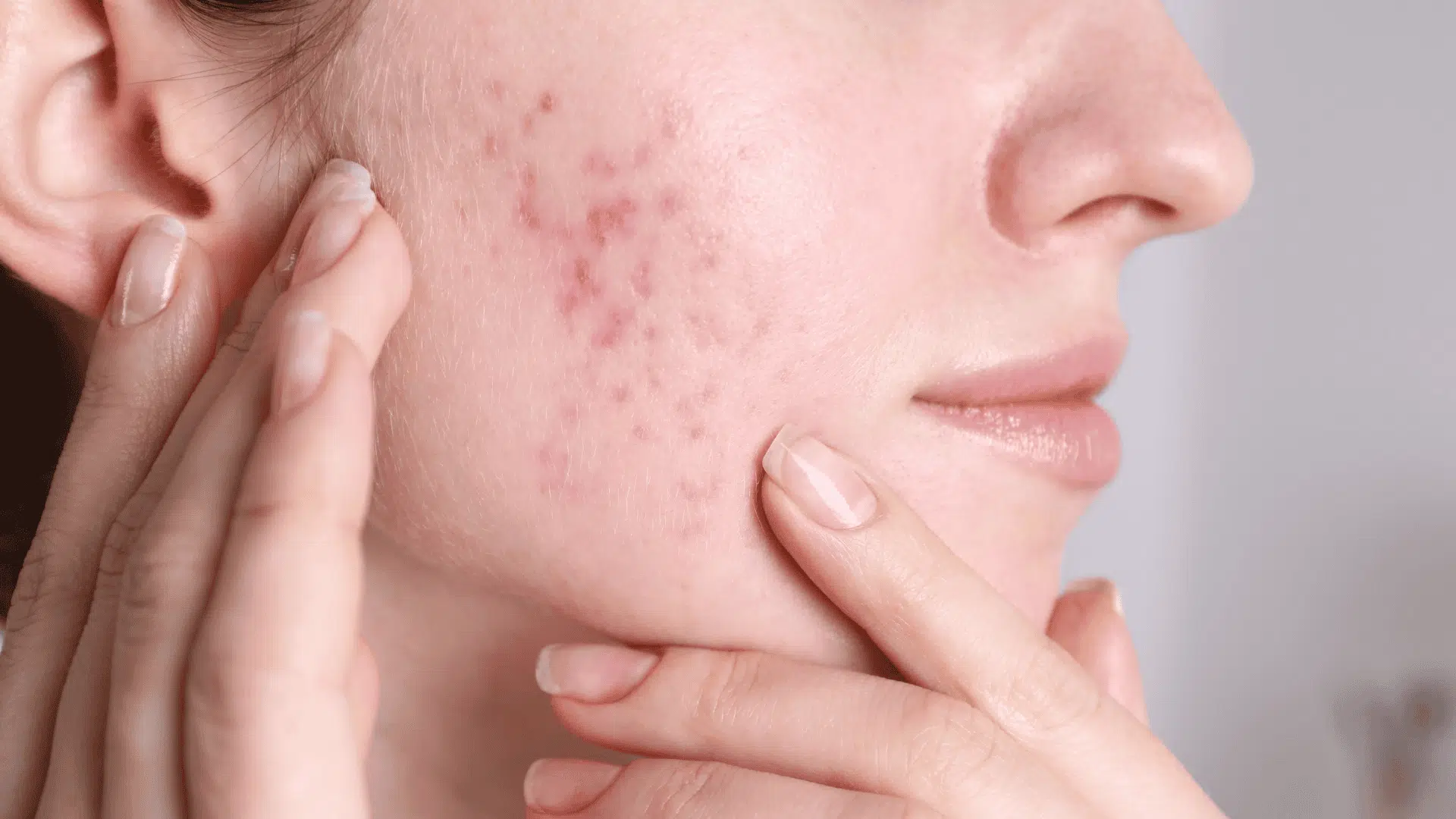
Acne marks are the flat discolorations left behind after a pimple heals. Your skin stays smooth—there’s no bump, dent, or rough texture. These marks appear because of inflammation.
When acne flares up, your skin responds by sending extra blood flow and producing more melanin. This leaves behind colored spots even after the pimple is gone.
Acne marks are temporary. They usually fade on their own over weeks or months, especially with the right skincare. Unlike scars, marks don’t damage your skin’s structure.
Types of Acne Marks:
- Post-Inflammatory Hyperpigmentation (PIH): Brown or dark spots caused when your skin makes too much melanin during healing, common in medium to darker skin tones.
- Post-Inflammatory Erythema (PIE): Red or pink marks from dilated blood vessels after inflammation, more visible on lighter skin, and can last several months.
- Post-Inflammatory Hypopigmentation: Light or white spots where skin loses pigment during healing, less common but can be stubborn to treat.
What Are Acne Scars?
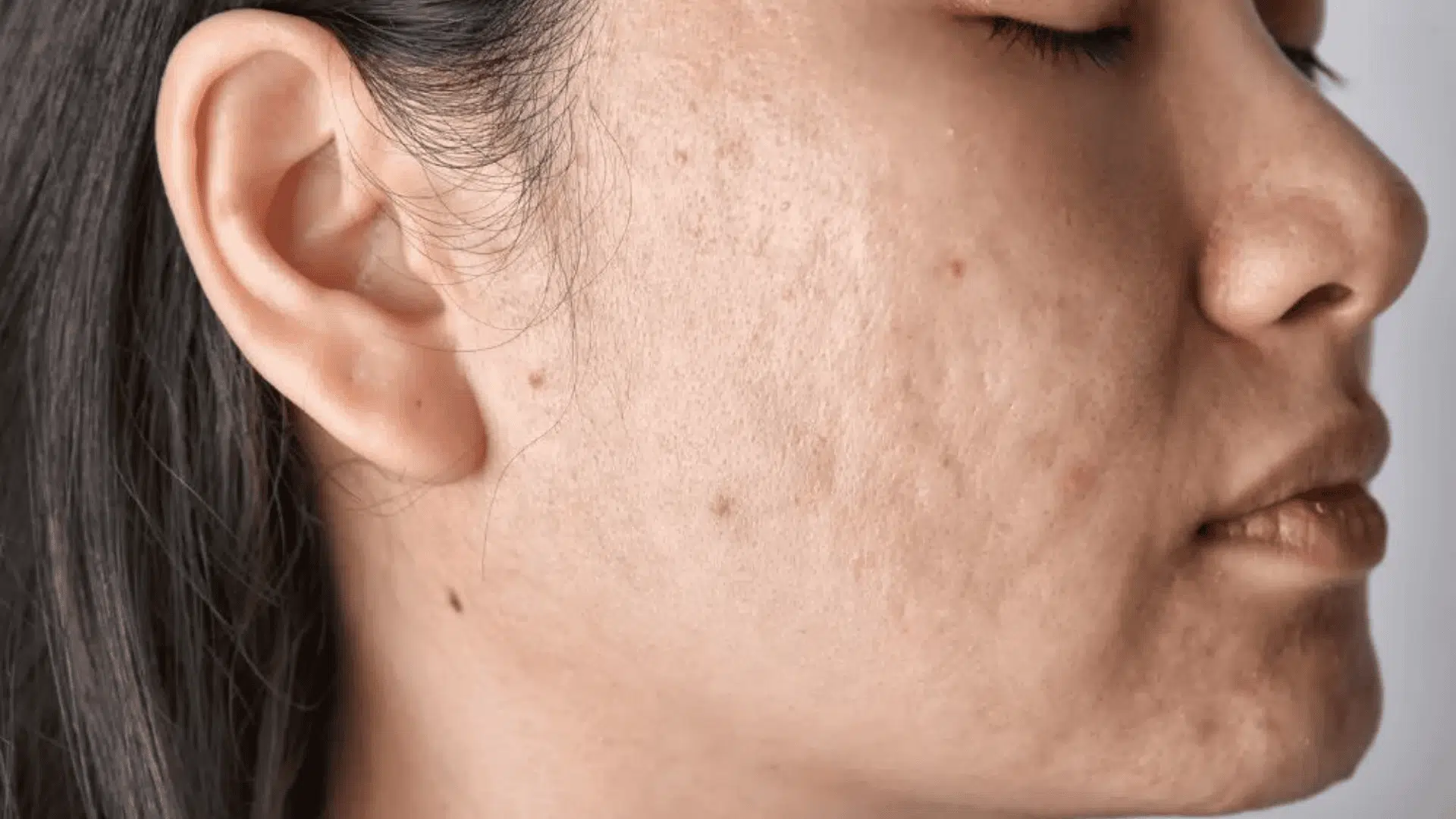
Acne scars are permanent changes in your skin’s texture. Unlike marks, scars involve actual collagen damage. When severe acne heals, your skin either loses collagen or produces too much of it.
This creates indentations or raised bumps you can feel with your fingers. Scars don’t fade on their own like marks do. They stick around for years, sometimes forever, without treatment.
The texture change is the biggest clue; run your hand over your face, and you’ll notice dips, pits, or raised areas. Acne scar treatment requires professional help.
Dermatologists use procedures like microneedling, laser resurfacing, or fillers to improve the texture of the skin.
Scars form from deep, inflamed acne-like cysts and nodules. The more you pick or pop pimples, the higher your risk of scarring.
Types of Acne Scars:
- Atrophic (Depressed) Scars: These form when skin loses tissue during healing, creating sunken areas. Three subtypes exist based on shape and depth.
- Ice Pick Scars: Deep, narrow pits that look like someone poked your skin with a sharp tool, the hardest type to treat.
- Boxcar Scars: Broad, U-shaped depressions with defined edges, they look like chicken pox scars and respond well to resurfacing.
- Rolling Scars: Wavy, uneven texture caused by bands of tissue pulling skin downward, creating a rolling landscape effect.
- Hypertrophic Scars: Thick, firm, raised scars that stay within the boundaries of the original pimple, caused by excess collagen production during healing.
- Keloid Scars: Overgrown scar tissue that grows beyond the original acne site, is more common in darker skin tones, and can keep growing over time.
How to Identify What You Have?
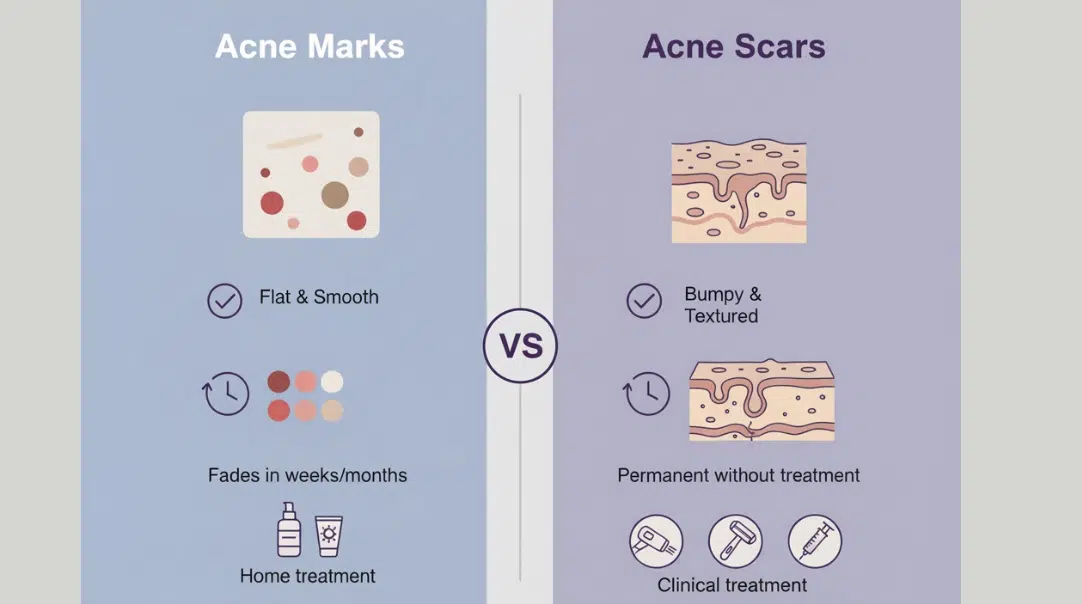
Not sure if you’re dealing with marks or scars? Here’s a simple way to check.
First, touch your skin. Run your fingers gently over the area. If it feels flat and smooth, you likely have acne marks.
If you feel bumps, dips, or uneven texture, those are scars. Next, look at the color. Red or pink spots usually indicate marks from recent inflammation.
Brown or dark spots are also marks, caused by excess pigment. If the area matches your skin tone but has texture changes, that’s a scar. Finally, watch how it changes over time.
Marks typically fade after a few weeks or months, especially with treatment. Scars stay the same or only improve slightly without professional help. If you’re still unsure, see a dermatologist.
They can confirm whether you have marks, scars, or both, and recommend the best treatment plan.
Treatment Options for Acne Marks
Acne marks respond well to treatment. You have options at home and in the clinic. Since marks are just pigmentation issues, the right ingredients can fade them significantly.
Most treatments take weeks to show results. Here’s what works to fade dark spots after acne and reduce red acne marks.
Home Treatments:
- Vitamin C serums: This powerful antioxidant brightens skin and blocks excess melanin production. Use it in the morning under sunscreen for best results.
- Niacinamide: A gentle ingredient that reduces inflammation, fades pigmentation, and strengthens your skin barrier. It works well for all skin types, even sensitive ones.
- Alpha arbutin: Targets dark spots by inhibiting melanin formation, pairs perfectly with vitamin C for faster fading of brown marks.
- AHAs/BHAs exfoliants: Chemical exfoliants like glycolic acid (AHA) and salicylic acid (BHA) remove dead skin cells and speed up cell turnover, helping marks fade while preventing new breakouts.
- Sunscreen (SPF 30 or higher): The most important step, UV rays darken marks and slow healing, so daily sunscreen is non-negotiable if you want marks to fade.
Professional Treatments:
- Chemical peels: Dermatologists apply stronger acids to remove the top layer of damaged skin, speeding up fading and improving overall tone in just a few sessions.
- Laser toning: Targets pigment with focused light energy, breaks down dark spots without damaging surrounding skin, ideal for stubborn marks.
- Microdermabrasion: Gently buffs away dead skin using tiny crystals, improves texture, and helps marks fade faster with minimal downtime.
- Light therapy (IPL): Intense pulsed light targets red and brown marks, reduces both PIE and PIH by breaking down excess pigment and damaged blood vessels.
Treatment Options for Acne Scars
Acne scars need stronger interventions than marks. Home treatments can’t fix texture changes caused by collagen damage. You’ll need professional procedures to see real improvement.
The good news? Modern dermatology offers several effective options. Results depend on scar type, depth, and your skin’s healing ability. Here’s what actually works for acne scar treatment.
In-Clinic Treatments:
- Microneedling (collagen induction): Tiny needles create controlled micro-injuries in your skin, triggering natural collagen production to fill in depressed scars over several sessions.
- Fractional CO₂ laser or erbium laser: High-energy lasers remove damaged skin layers and stimulate deep collagen remodeling, the gold standard for severe scarring with dramatic before and after results.
- Subcision for rolling scars: A needle breaks up fibrous bands pulling skin downward, releasing tethered tissue so skin bounces back to a smoother surface.
- PRP (Platelet-Rich Plasma) therapy: Your own blood platelets are injected into scars, growth factors accelerate healing and collagen formation, often combined with microneedling.
- Fillers for deep scars: Hyaluronic acid or other fillers lift depressed scars from beneath, provide immediate improvement, but need repeat treatments every 6-12 months.
Home Care:
- Retinoids (tretinoin, adapalene): Prescription-strength retinoids boost collagen production and cell turnover, won’t eliminate scars but can soften their appearance over many months.
- Silicone gels (for raised scars): Medical-grade silicone sheets or gels flatten hypertrophic and keloid scars, work by hydrating tissue and regulating collagen production.
Treatment Comparison:
| Treatment | Cost Range | Downtime | Results Duration |
|---|---|---|---|
| Microneedling | $200-$700 per session | 2-3 days redness | 6-12 months (3-6 sessions needed) |
| Fractional Laser | $500-$2,500 per session | 5-7 days peeling | 1-2 years (1-3 sessions needed) |
| Subcision | $300-$1,000 per session | 3-5 days of bruising | 12+ months (may need repeat) |
| PRP Therapy | $500-$1,500 per session | 1-2 days minimal | 6-12 months (combine with other treatments) |
| Dermal Fillers | $400-$800 per syringe | Immediate, minimal | 6-18 months (temporary fix) |
| Retinoids (home) | $10-$100 per tube | None | Ongoing use required |
Professional treatments require multiple sessions for the best results. Budget both time and money accordingly. Always consult a board-certified dermatologist to create a treatment plan suited to your specific scars.
Prevention: How to Avoid Future Marks and Scars
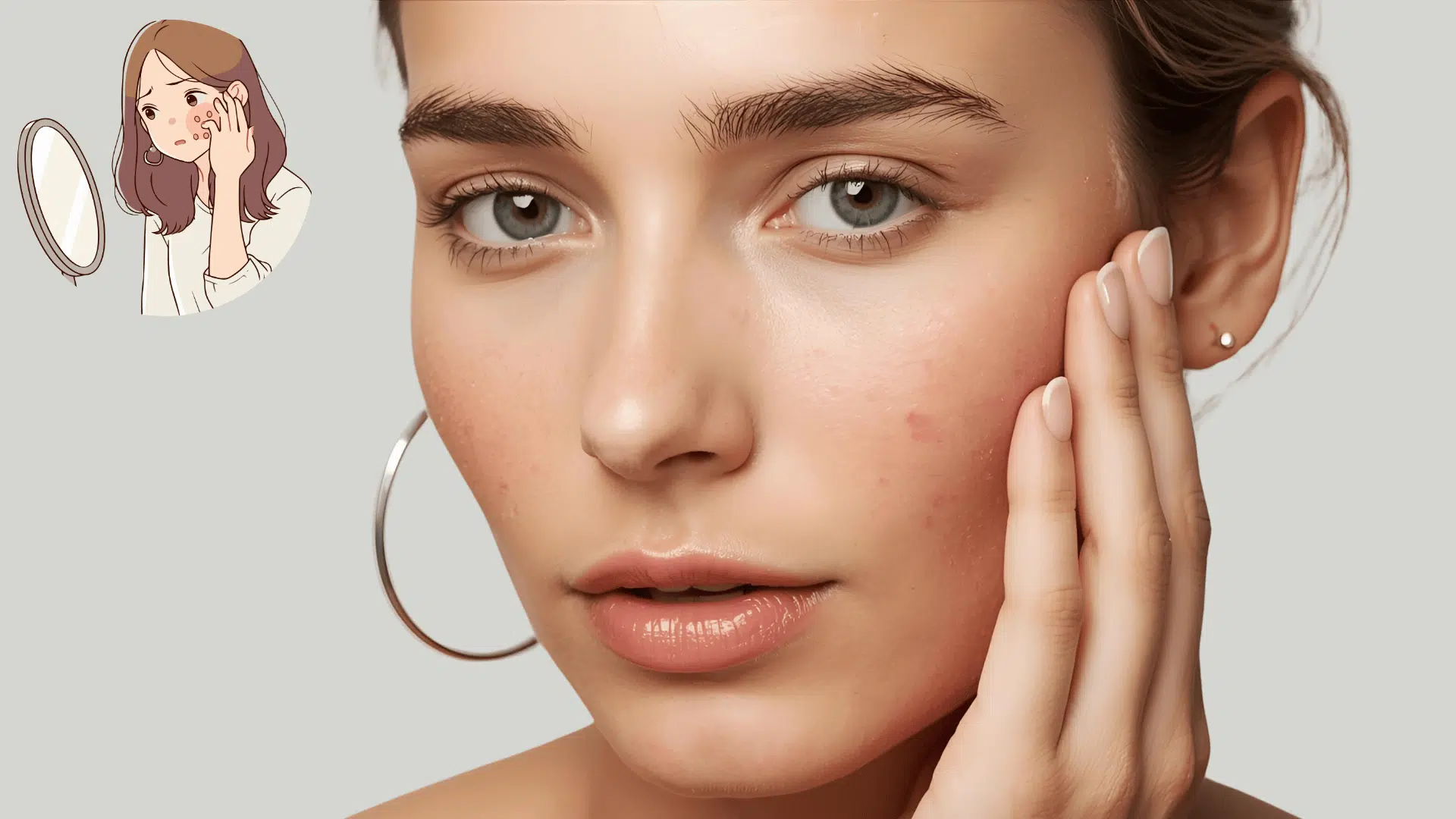
Prevention is always easier than treatment. The best way to avoid marks and scars? Don’t pop your pimples.
Squeezing and picking push bacteria deeper, increase inflammation, and damage collagen, all of which lead to scarring. Use gentle cleansers that won’t strip your skin or cause irritation.
Choose non-comedogenic skincare products that won’t clog your pores and trigger more breakouts. Treat acne early before it gets severe.
The longer inflammation sits on your skin, the more likely you’ll end up with marks or scars. Wear daily SPF religiously; sun exposure darkens marks and slows healing.
Stick to a consistent skincare routine with ingredients that prevent breakouts and support healing.
Blemish vs Pimple: Clearing Up the Confusion
People often use these terms like they mean the same thing. But they don’t. A blemish is an umbrella term for any skin imperfection. It covers everything from active breakouts to old scars to sun damage.
A pimple, on the other hand, is a specific type of blemish, an active acne lesion that’s currently inflamed. Think of it this way: all pimples are blemishes, but not all blemishes are pimples.
When someone says they have blemishes, they might mean old acne marks, texture issues, or current breakouts.
When they say pimples, they’re talking about those red, swollen bumps happening right now. Knowing the difference helps you choose the right products and treatments.
Types of Blemishes
- Acne pimples: Active breakouts with inflammation, including whiteheads, blackheads, and cysts.
- Dark spots or pigmentation: Brown, red, or discolored marks left after acne heals or from sun exposure.
- Whiteheads/blackheads: Clogged pores filled with oil and dead skin, may or may not be inflamed.
- Scars or rough texture: Permanent changes in skin surface from past acne or injury.
- Sunspots and age spots: Flat brown patches caused by UV damage and aging, not related to acne.
Types of Pimples (Active Acne)
- Whiteheads (closed comedones): Small, flesh-colored bumps with a white center; the pores are closed, trapping oil and bacteria inside.
- Blackheads (open comedones): Pores clogged with oxidized oil and dead skin; the dark color comes from exposure to air, not dirt.
- Papules: Small, red, tender bumps without a visible head; inflammation is present, but no pus yet.
- Pustules: Red bumps with a white or yellow pus-filled center, which most people picture when they think of a pimple.
- Nodules: Large, deep, painful lumps under the skin, hard to the touch, and can last for weeks.
- Cysts: Big, soft, pus-filled lesions deep beneath the surface, the most severe type and most likely to leave scars.
The Bottom Line
Understanding the difference between acne marks and acne scars changes everything. Marks are temporary pigmentation issues that fade with the right serums and patience.
Scars involve permanent texture changes that need professional treatment. Knowing what you’re dealing with saves you from wasting money on products that won’t work.
Remember, a blemish is just an umbrella term, while pimples are active breakouts. The key to clear skin? Prevention. Don’t pick at your face, treat acne early, and wear sunscreen daily.
Healing takes time, but you’re not stuck with marks or scars forever. Professional dermatologists have proven treatments that work.
What’s your biggest struggle with acne marks or scars? Drop a comment below and let’s talk about solutions that actually work for your skin type.