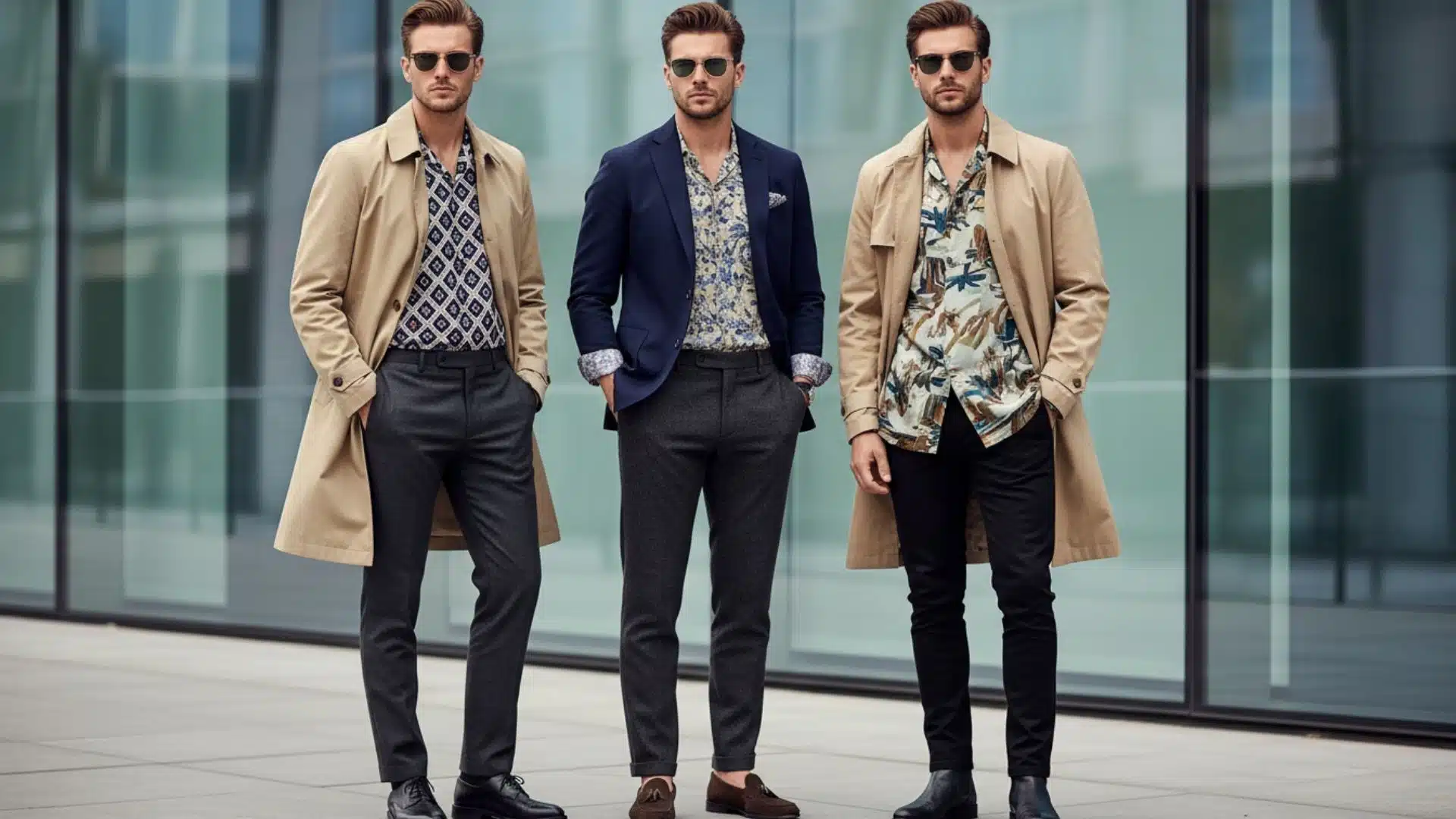
European men seem to dress well without trying. They walk through Paris, Milan, or Stockholm looking sharp but relaxed. The truth? That effortless look is carefully built.
European men’s fashion works because it prioritizes fit over trends, quality over quantity, and restraint over excess. The same pieces get worn repeatedly in different combinations.
Nothing looks forced because the foundation is solid.
This guide breaks it down: the core style principles that matter, and how different regions approach fashion. Which wardrobe pieces work hardest?
Ready-to-copy outfit formulas, seasonal adjustments, innovative shopping strategies, and common mistakes to avoid.
No guesswork. No wasted purchases. Just the practical framework European men actually use to get dressed every day.
What Is European Men’s Fashion?
European men’s fashion is a style approach built on fit, quality, and restraint. It’s not about following every trend or wearing flashy logos. Instead, it focuses on clothes that fit well, last long, and work together efficiently.
The goal is simple: look put together without trying too hard.
What comes first?
- Trousers sit at the natural waist with one break at the shoe
- Sleeves end at the wrist bone
- Shoulders align without pulling or sagging
- No excess fabric or baggy cuts
Other Key Principles:
- One statement piece per outfit, maximum.
- Wool over polyester, full-grain leather that lasts for years.
- Wearing proven pieces repeatedly builds personal style.
So how do you actually apply these principles? Let’s break down the specific style foundations that European men get right every time.
The Style Foundations Europeans Get Right

European men’s fashion works because it follows a few simple rules consistently. Get these foundations right, and everything else becomes easier.
1. Fit First
Fit trumps everything. Shoulders should align at the bone edge. Sleeves end at wrists. Trousers break once at the shoes and sit at your natural waist.
Get these points right and clothes work perfectly. Tailoring costs less than replacing pieces. Fit is everything.
2. Color Strategy
Build with neutrals: navy, charcoal, grey, beige, white. These colors mix effortlessly. Add one accent per outfit, maximum. A burgundy sweater with grey trousers works.
A patterned scarf with a navy coat works. One focal point keeps the look clean and intentional.
3. Fabrics Texture
Quality fabric lasts longer and looks better. Wool works for trousers and coats. Cotton handles shirts and casual wear. Linen breathes in summer heat.
Full-grain leather for shoes that age well. Merino knits layer without bulk. Always check fabric tags before buying anything.
4. Footwear As The Anchor
Shoes set the tone. Clean white sneakers elevate jeans. Worn-out pairs ruin everything. Maintain them well: polish leather, replace laces. Three great pairs beat ten average ones.
Now it gets interesting: European style varies by region. A man in Milan dresses differently from one in Copenhagen. Here’s what each does best:
European Men’s Style by Region
European men’s fashion shifts as you move from one region to another. Each area has its own approach to fit, color, and construction. Understanding these differences helps you adapt the style that fits you best.
1. Italian: Tailored Ease, Sharper Silhouettes, Confident Color

Italian men favor a fitted, structured approach. Suits sit close to the body with higher armholes and shaped waists. Trousers are often slim with a shorter break.
Color and texture choices:
- Burgundy trousers with camel coats
- Navy jackets over brown shoes
- Mix of suede loafers, knit ties, patterned pocket squares
The approach:
- Skip the tie, leave the top button undone
- Go sockless with tailored trousers
- Polished but relaxed
2. French: Minimal, Clean Lines, Quiet Sophistication

French style strips things down. Patterns are rare. Logos are bypassed.
Core palette:
- Navy, grey, black, white, beige
- Minimal patterns
- Subtle accessories only
Typical combinations:
- Well-fitted blazer with straight-leg dark jeans and leather loafers
- Trench coat over tailored trousers
- Simple, repeatable looks
The goal is to look considered without appearing like you spent too much time thinking about it.
3. Scandinavian: Functional Minimalism, Layering, Muted Palettes

Scandinavian men prioritize function and simplicity. The climate demands Layering, so outfits are built in pieces that work together.
Color palette:
- Charcoal, dark green, brown, beige, cream
- Black in urban settings
- Minimal bright colors
Fabric focus:
- Wool overcoats
- Merino knits
- Sturdy cotton for durability
The aesthetic is clean and understated. No fuss. No unnecessary details. Just well-made pieces that serve a purpose.
4. Spanish/Portuguese: Smart-Casual Polish, Warm-Weather Fabrics

Men in southern Europe adapt to warmer climates while maintaining polish.
Warm-weather approach:
- Linen shirts and cotton trousers
- Lighter colors: cream, tan, pale blue
- Loafers without socks
Common combinations:
- Linen blazer over cotton chinos
- Open-collar shirt tucked in neatly
- Breathable fabrics that still look sharp
The approach is relaxed but intentional.
5. British: Heritage Textures, Outerwear, Structured Classics

British style emphasizes tradition and construction.
Heritage elements:
- Tweed jackets, wool trousers, classic brogues
- Herringbone, tartan, and corduroy fabrics
- Structured but not restrictive fit
Outerwear staples:
- Trench coats
- Waxed jackets
- Chesterfield coats and peacoats
Color palette:
- Navy, grey, brown, olive
- Checks, stripes, and plaids over bold prints
Regional differences aside, certain pieces work everywhere. Whether you’re in Rome or Stockholm, these wardrobe essentials form the foundation. Let’s build your European-inspired wardrobe from the ground up.
The European Capsule Wardrobe
European men’s fashion thrives on pieces that work together efficiently. This capsule wardrobe covers casual, smart-casual, and formal situations without excess. Each item earns its place through versatility and repeated wear.
1. A Tailored Navy or Charcoal Blazer

Why it matters: A properly fitted blazer elevates any outfit instantly. It bridges casual and formal without feeling stuffy.
How to wear it:
- With dark jeans and white sneakers for smart-casual
- Over a crewneck sweater with wool trousers for dinner
- With a shirt and chinos for business casual
The fit is critical. Shoulders should align perfectly. Sleeves should show a half-inch of shirt cuff.
2. Neutral Overcoat or Trench

Why it matters: Your outerwear is the first thing people see. A quality coat in navy, charcoal, or camel works with everything underneath.
How to wear it:
- Over a blazer and trousers for formal occasions
- With jeans and a sweater for everyday wear
- Layered over casual shirts in transitional weather
Choose a length that hits just above the knee. This creates clean proportions with most trouser styles.
3. Merino Crewneck + One Knit Polo

Why it matters: These pieces layer under jackets or stand alone. Merino regulates temperature and resists odors better than cotton.
How to wear the crewneck:
- Under a blazer with chinos
- Solo with dark jeans
- Layered under an overcoat
How to wear the knit polo:
- With wool trousers for elevated casual
- Tucked into chinos with loafers
- Under a light jacket in cool weather
Both pack well and handle repeated wear without showing it.
4. Oxford Shirt + Linen Shirt

Why it matters: Two shirt types cover all seasons. Cloths are durable and work year-round. Linen breathes in heat.
How to wear the Oxford:
- Buttoned up with trousers and a blazer
- Casual with jeans and sleeves rolled
- Layered under a sweater
How to wear linen:
- Open collar with chinos in summer
- Tucked into trousers with loafers
- Solo when temperatures climb
Keep both in white, light blue, or pale grey for maximum versatility.
5. Dark Straight Leg Jeans + Wool Trousers or Chinos

Why it matters: Three bottoms cover every dress code. Dark jeans work casually and dress up easily. Wool trousers handle formal situations. Chinos bridge the gap.
How to wear them:
- Dark jeans with sneakers and a t-shirt, or a blazer and leather shoes
- Wool trousers with a dress shirt and blazer or a knit polo
- Chinos with an Oxford shirt or a linen shirt
Fit at the waist and hem to your exact measurements. Proper length changes everything.
6. White Leather Sneakers + Loafers or Derbies

Why it matters: Footwear sets the tone. Clean white sneakers handle casual wear. Leather shoes elevate any outfit instantly.
How to wear white sneakers:
- With dark jeans and a t-shirt
- With chinos and an Oxford shirt
- With a blazer for modern smart-casual
How to wear loafers or derbies:
- With wool trousers and a blazer
- With chinos and a knit polo
- With dark jeans for polished casual
Keep shoes clean and conditioned. Replace laces and polish regularly.
7. Leather Belt And One Minimal Watch

Why it matters: Small details complete the look. Your belt should match your shoes in color and finish.
How to wear them:
- Brown leather belt with brown shoes
- Black leather belt with black shoes
- A simple watch with any outfit for a finished touch
Avoid oversized buckles and flashy watch faces. Restraint works better.
8. Scarf (Cold Seasons)

Why it matters: A wool or cashmere scarf adds warmth and texture. It’s functional and improves proportions when layering coats.
How to wear it:
- Draped loosely under an overcoat
- Wrapped once around the neck for warmth
- In neutral colors that match your coat
Stick to grey, navy, camel, or black for easy coordination.
You’ve got the pieces. Now let’s put them together. Let’s figure out how European men adapt their wardrobes without buying a whole new closet every few months.
Seasonal European Dressing (What Changes and What Stays)

European men’s fashion adapts to the weather without abandoning core principles. Fit, quality, and restraint remain constant. What changes are fabrics, layering depth, and footwear weight?
The capsule wardrobe pieces work across seasons. You swap in lighter or heavier versions and adjust how you layer them.
1. Spring: Light Layers, Trench, Knitwear
Spring demands flexibility. Mornings are cool, afternoons warm up, evenings drop again.
What to wear:
- Lightweight trench or neutral overcoat over everything
- Merino crewneck or knit polo for mid-layer warmth
- Oxford shirts in cotton for breathability
- Chinos or wool trousers work better than jeans in the rain
- White sneakers or loafers without heavy socks
Layer so you can remove pieces easily. The trench goes over a sweater and shirt in the morning. Remove the sweater by the afternoon. Could you put it back on at night?
2. Summer: Linen, Breathable Cotton, Lighter Footwear
Heat changes everything. Heavy fabrics become unwearable. European men switch to natural, breathable materials.
What to wear:
- Linen shirts with open collars, worn untucked or tucked
- Lightweight cotton chinos or trousers in lighter colors
- White sneakers or loafers, often worn sockless
- Skip the blazer unless indoors with air conditioning
- Sunglasses become functional, not just a style
Linen wrinkles naturally. That’s expected; the relaxed texture signals summer-appropriate dress, not sloppiness. Keep colors light: white, cream, pale blue, tan.
3. Autumn: Texture (Suede, Wool), Layering
Autumn brings texture back into play, and heavier fabrics return. Layering becomes more deliberate.
What to wear:
- Wool trousers replace cotton chinos
- Merino crewnecks and knit polos layer under blazers
- Suede loafers or leather derbies replace summer sneakers
- Neutral overcoat or blazer becomes daily wear again
- Oxford shirts under sweaters for warmth
Color shifts: Burgundy, brown, olive, and navy replace summer’s lighter tones. Fabrics add visual weight: corduroy, tweed, heavier knits.
Layering returns to shirt-sweater-jacket combinations. Each piece should fit well enough to layer without bulk.
4. Winter: Overcoats, Scarves, Knits, Smarter Boots
Winter demands serious outerwear. European cities stay walkable, so practicality matters as much as style.
What to wear:
- Structured wool overcoat in navy, charcoal, or camel
- Wool scarf for neck coverage and warmth
- Heavier merino sweaters under coats and blazers
- Leather boots with rubber soles for grip and weather resistance
- Wool trousers handle cold better than jeans
Smart shopping covered. But here’s something most guys miss: you can nail the outfit and still fall short. Why? Because European style isn’t just about the clothes.
Ever notice how the best-dressed men always look? Finished? That’s grooming and accessories doing the heavy lifting. So what’s the difference between looking good and looking complete?
Grooming and Accessories
European men’s fashion works because the details support the outfit. Grooming and accessories finish the look without overwhelming it. The goal is consistency and restraint, not flash.
1. Hair & Facial Hair
Clean edges beat elaborate manners. Here’s what works for hair and facial hair maintenance:
| Aspect | What to Do | Why It Works |
|---|---|---|
| Hair | Simple cut, trimmed every 3-4 weeks, natural texture, minimal product | Clean edges look intentional and require less daily effort |
| Facial Hair | Clean-shaven OR well-defined beard with trimmed neckline and shaped edges | Shows attention without looking high-maintenance |
| Maintenance | Regular upkeep over elaborate one-time styling | Consistency beats complexity |
2. Accessories
Accessories complete the outfit without overwhelming it. Here’s how to choose and wear each piece correctly:
| Accessory | The Rule |
|---|---|
| Belt | Match your shoes: brown with brown, black with black |
| Watch | One quality piece, simple face, leather or metal strap |
| Scarf | Wool or cashmere in grey, navy, camel, or black |
| Sunglasses | Classic frames like wayfarers or aviators |
| Jewelry | Minimal: simple ring or thin bracelet, maximum |
| General Rule | One statement accessory per outfit, maximum |
You’re getting the details right. But what ruins it all? Let’s talk about the mistakes that make even good pieces look like you’re playing dress-up instead of actually knowing how to dress.
European Style Mistakes to Avoid

European men’s fashion looks natural because it follows principles, not trends. When you ignore these basics, even expensive clothes look forced. Here’s what ruins the look.
1. Too Tight, Too Trendy, or Too Many Logos
Three mistakes instantly break European style. Here’s what to avoid and why each one fails:
| Too Tight | Too Trendy | Too Many Logos |
|---|---|---|
| Clothes squeeze your body, your shoulders strain, can’t move comfortably | Chasing every runway trend, buying pieces you won’t wear in 3 years | Multiple visible brands across the outfit, logo-heavy pieces |
| Looks forced, fabric wears out faster, and creates visible pulling | Looks like a costume, breaks wardrobe cohesion | Signals insecurity, looks like free advertising |
2. Over-Layering In Warm Climates
Climate awareness matters. Layering works in cold weather but looks ridiculous in the heat. Here’s the breakdown:
| The Mistake | What Works Instead |
|---|---|
| Wearing a blazer, vest, and scarf in the summer heat | Linen shirt and chinos in warm weather |
| Too many layers regardless of the weather | Strategic layering only in cold: shirt, sweater, coat |
| Ignoring climate and forcing layers | Match your outfit to the temperature |
3. Wrong Shoe For The Outfit
Shoes set or ruin the entire outfit. Mismatched formality levels break the look instantly:
| The Mistake | Why It Fails |
|---|---|
| Running shoes with wool trousers and a blazer | Formality levels don’t match, looks unintentional |
| Patent leather dress shoes with jeans | Creates awkward contrast |
| Dirty, scuffed, or worn-out shoes | Signals neglect, ruins even great outfits |
4. Ignoring Fit And Posture
Fit and posture work together. Bad posture ruins even perfectly tailored clothes:
| The Problem | Why It Fails |
|---|---|
| Shoulders hanging off the frame, sleeves covering hands | Makes you look smaller, appears sloppy |
| Trousers pooling at the ankles | Shortens legs, breaks clean lines |
| Slouching makes clothes bunch and pull | Even tailored pieces look wrong, the jacket can’t drape properly |
Seasonal dressing sorted. Now let’s talk money. You’re probably thinking: Doesn’t all this quality and fit cost a fortune?Want to know the smart way to build this wardrobe without emptying your bank account?Here’s exactly where to spend and where you can save without sacrificing the look.
How To Shop For European Style Without Overspending?

European men’s fashion doesn’t require unlimited money. Invest where quality matters. Save where it doesn’t.
1. Where To Invest?
- Coats: Quality wool lasts 10-15 years. Cheap coats lose shape in one season.
- Shoes: Full-grain leather can be resoled multiple times
- Tailoring: Mid-priced pieces tailored to fit, beat expensive ones that don’t
2. Where To Save?
- Basic tees: Get washed frequently, replace as needed
- Simple knits: Mid-range natural fibers work fine
- Everyday basics: Socks, underwear, basic belts serve function over form
3. How To Check Quality Fast?
- Straight, even seams with tight buttonholes.
- Substantial fabric that doesn’t show through
- Buttons sit flat without pulling
- Smooth lining attached securely
You’ve got the complete playbook now. The foundations, the regional differences, the exact pieces to buy, the outfit formulas, the seasonal adjustments, the shopping strategy, the grooming details, and the mistakes to avoid.
So here’s the real question: what do you actually do with all this information? Let’s bring it home.
Conclusion
European men’s fashion works because it follows principles that don’t change. Fit matters more than price. Quality lasts longer than trends.
Neutral colors mix easily. One statement piece per outfit keeps things clean. These rules apply whether you’re in Milan or Stockholm, at 25 or 55.
Start simple. Build a capsule wardrobe with the essentials. Take one or two pieces to a tailor and see how fit changes everything.
Upgrade your shoes next because they anchor every outfit. Focus on repeatable combinations for your daily life.
This isn’t about copying someone else’s look. It’s about understanding the framework and applying it to what you own. Get the fit right, choose quality when it matters, keep it simple.
That’s the formula. Everything else is just details.