
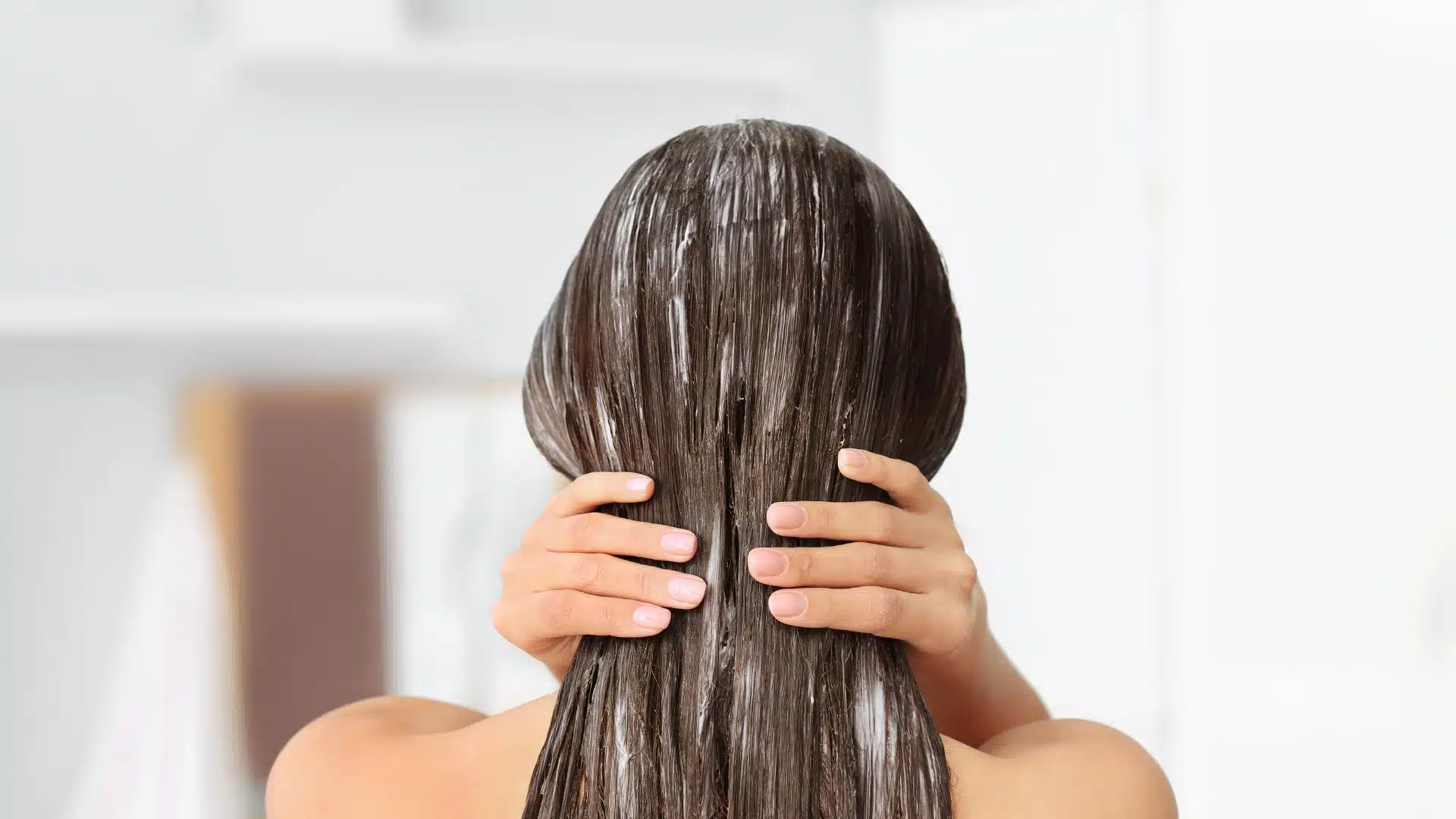
Ever wonder why your hair feels dry even after using conditioner regularly? You might be applying it wrong.
Most people think conditioning is simple. Just slap it on after shampooing and rinse.
But there’s actually a proper technique that makes all the difference between dull, lifeless strands and soft, healthy locks.
Your method of applying conditioner changes how your hair responds. Poor technique can lead to heavy strands that lose bounce or movement. Correct application helps your hair feel smoother naturally.
In this blog, I’ll show you exactly how to apply conditioner the right way. You’ll learn which spots to focus on, how long to let it rest, and simple methods for different hair types that help.
What Does Hair Conditioner Actually Do?
Conditioner works by coating each hair strand with protective ingredients that seal the cuticle. This creates a smooth surface that reflects light and feels soft to the touch.
When you shampoo, it strips away oils and opens up the hair cuticle. Conditioner reverses this process by adding moisture back and closing those lifted cuticles again.
Here are the key benefits to know:
✓ Moisture Retention: Keeps water locked inside hair shafts to prevent dryness.
✓ Detangling: Makes combing easier by reducing friction between strands.
✓ Damage Protection: Forms a barrier against heat styling and environmental stress.
✓ Shine Enhancement: Smooths the cuticle so hair reflects more light.
How Often Should You Use a Conditioner?

The frequency depends on your hair type and the amount of moisture it needs. Some people benefit from daily conditioning, while others only need it twice a week.
| Hair Type | How Often to Condition |
|---|---|
| Dry or Curly | Every time you wash (3-4 times weekly) |
| Normal | 2-3 times weekly |
| Oily or Fine | 1-2 times weekly |
| Damaged or Colored | Every time you wash |
Over-conditioning can make hair look greasy and weigh it down. Under-conditioning leads to breakage and rough texture. Pay attention to how your hair responds and adjust accordingly.
Related: Should You Condition Your Hair Everyday or Not?
Choosing the Right Conditioner for Your Hair
Every conditioner has a different formula and purpose. Select one that addresses your hair’s specific needs and texture to get the best possible outcome.
→ For Dry Hair: Pick thick, moisture-packed formulas containing natural oils such as argan or coconut that deliver intense hydration to parched strands.
→ For Fine Hair: Go with light, volume-boosting products that add body without weighing down your hair or creating a lifeless appearance.
→ For Colored Hair: Select formulas designed for color-treated hair with UV filters that stop color from fading and keep it bright for extended periods.
→ For Damaged Hair: Get products loaded with proteins or repairing ingredients that strengthen and restore compromised hair from the inside out.
Check ingredient labels closely before buying. Avoid sulfates and thick silicones if your hair is fine. If your hair is thick or rough, opt for heavier formulas containing ingredients like shea butter.
How to Apply Hair Conditioner: Step-by-Step

Proper application technique makes a huge difference in results. Follow these steps each time you condition for healthier, better-looking hair.
Step 1: Start with Clean, Wet Hair
Shampoo your hair first, then gently squeeze out excess water. Hair should be damp, not dripping wet, before applying conditioner.
Step 2: Use the Right Amount
Take a quarter-sized amount for short hair, a half-dollar-sized amount for medium-length hair, and a palmful for long hair. Adjust based on thickness, too.
Step 3: Apply to Mid-Lengths and Ends
Work mainly on the lower sections of your hair where it usually needs the most care. Avoid roots unless your scalp is extremely dry or flaky.
Step 4: Distribute Evenly
Run your fingers or a wide-tooth comb through hair to spread conditioner uniformly. Make sure every strand gets coated from mid-length down.
Step 5: Let It Sit
Wait at least 2-3 minutes for the product to penetrate. Deep conditioners need 5-10 minutes for maximum effect and repair.
Step 6: Rinse Thoroughly
Rinse thoroughly with cool or lukewarm water. Cooler water helps calm the hair surface and boosts the natural sheen you see after drying.
How Should You Apply Conditioner for Your Hair Type?
Different hair types need different conditioning approaches. Here’s how to modify the basic technique for your specific texture and needs.
Straight Hair
Add conditioner mainly to the lower parts of your straight hair. Straight strands show grease quickly, so use lightweight products and rinse thoroughly to maintain volume.
Wavy Hair
Focus on mid-lengths to ends, gently scrunching the product upward. This technique enhances your natural waves. Consider leave-in formulas for extra definition between washes.
Curly Hair
Apply generously from roots to ends since curls need maximum moisture. Separate curls with fingers while distributing product. Try squishing conditioner into wet hair.
Coily or Kinky Hair
Section hair into four parts for easier coverage. Apply thick layers to each section from the ends upward. Detangle gently and leave on longer than other types.
Fine or Thin Hair
Use a small amount placed lightly across the lower tips. Too much weighs down fine strands. Rinse immediately after applying, without waiting for absorption.
Thick or Coarse Hair
Use generous amounts and divide hair into sections for complete coverage. Leave conditioner on for at least 5 minutes so multiple cuticle layers absorb moisture properly.
How Long to Leave Conditioner in and How to Rinse?

Timing matters for getting the best conditioning results. Too short and it won’t work well. Too long and it can cause buildup problems.
Recommended Wait Times:
→ Regular Conditioner: 2-3 minutes provides sufficient time for standard formulas to coat each strand and deliver basic moisture to your hair.
→ Deep Conditioner: 5-10 minutes lets intensive treatments penetrate deeper into hair shafts and repair existing damage more effectively than regular formulas.
→ Leave-In Conditioner: No rinsing required at all. These special formulas stay in your hair all day, providing continuous protection and moisture.
Best Rinsing Techniques:
How you rinse impacts your final hair texture and look just as much as application does. Use these methods to get optimal conditioning results.
✓ Use cool or lukewarm water instead of hot. Cold water seals cuticles, locks in moisture, and adds extra shine to your hair.
✓ Rinse until the water runs clear with no slippery feel. Any remaining residue means the product is still there and could cause buildup.
✓ Tilt your head forward or backward while rinsing. This ensures the conditioner is completely removed from all layers of your hair.
✓ Run fingers through hair during rinsing. This helps dislodge any product stuck between strands or near the scalp area.
Some people like leaving a tiny amount in for added softness. If you want to try this technique, do it only at the very ends, sparingly.
Wrapping It Up
To summarize, applying conditioner correctly can change your hair care routine. When you target the right areas, use proper amounts, and time it correctly, results improve dramatically.
Focus on mid-lengths and ends instead of roots. Match your conditioner type to your hair texture and concerns. Wait the recommended time before rinsing thoroughly with cool water.
Small changes in technique make noticeable differences in hair health and appearance. Start implementing these tips today and watch your hair become softer, shinier, and more manageable.
What’s your biggest challenge with conditioning your hair? Share your thoughts and questions in the comments below!