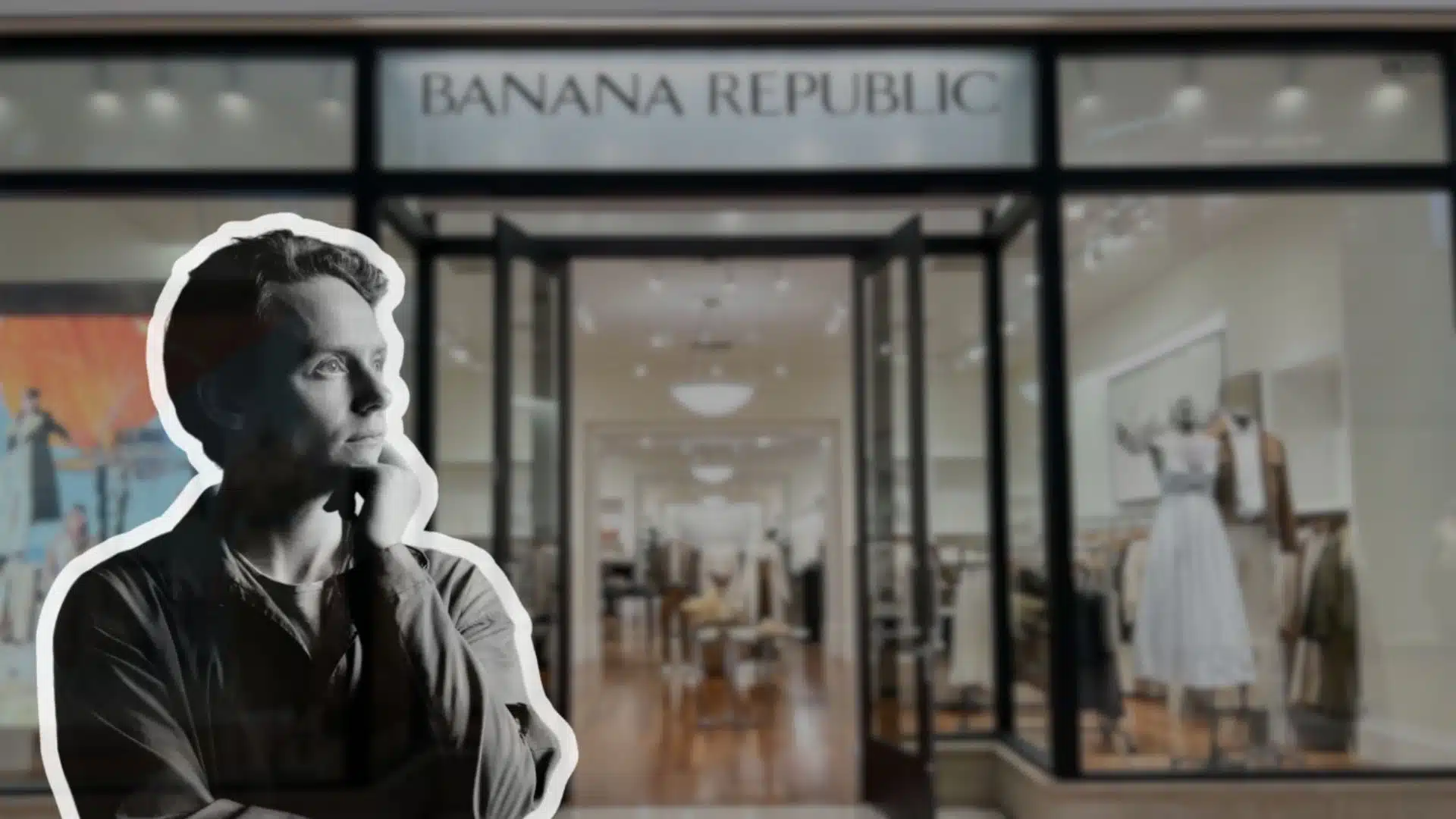

Not really, at least not by the standards most conscious shoppers expect today.
Banana Republic has made some moves toward sustainability. It has set carbon reduction goals and uses some recycled materials.
But when it comes to worker pay, supply chain transparency, and animal welfare, the brand falls short in ways that are hard to ignore.
We’ll break down exactly where Banana Republic stands on ethics, what the numbers say, and what that means for you as a shopper.
What Does It Mean for a Fashion Brand to Be Ethical?
Before looking at Banana Republic specifically, it helps to understand what ethical fashion actually covers. It is not just about using organic cotton or recycled packaging.
A truly ethical fashion brand covers three areas:
- People: Workers across the supply chain earn a living wage and work in safe conditions
- Planet: The brand takes real steps to reduce waste, water use, and carbon emissions
- Animals: No animal-derived materials are used, or those that are used are sourced responsibly
Most fashion watchdog organizations rate brands across all three. Banana Republic gets mixed scores in each one, as you will see below.
What Do Independent Ratings Say About Banana Republic?
Good On You, one of the most widely referenced fashion ethics platforms, rates Banana Republic as “It’s a Start” overall.
That is not a pass. It sits in the middle of their rating scale, below brands that have made meaningful commitments and above only the worst offenders.
Here is a quick summary of where the brand stands across each area:
| Category | Good On You Rating | Key Finding |
|---|---|---|
| Planet | It’s a Start | Uses some recycled materials, has emissions targets, but limited evidence of progress |
| People | Not Good Enough | No living wage evidence across the supply chain, no labor certification |
| Animals | Not Good Enough | Uses leather, wool, and cashmere with limited traceability |
| Overall | It’s a Start | Some effort, significant gaps remain |
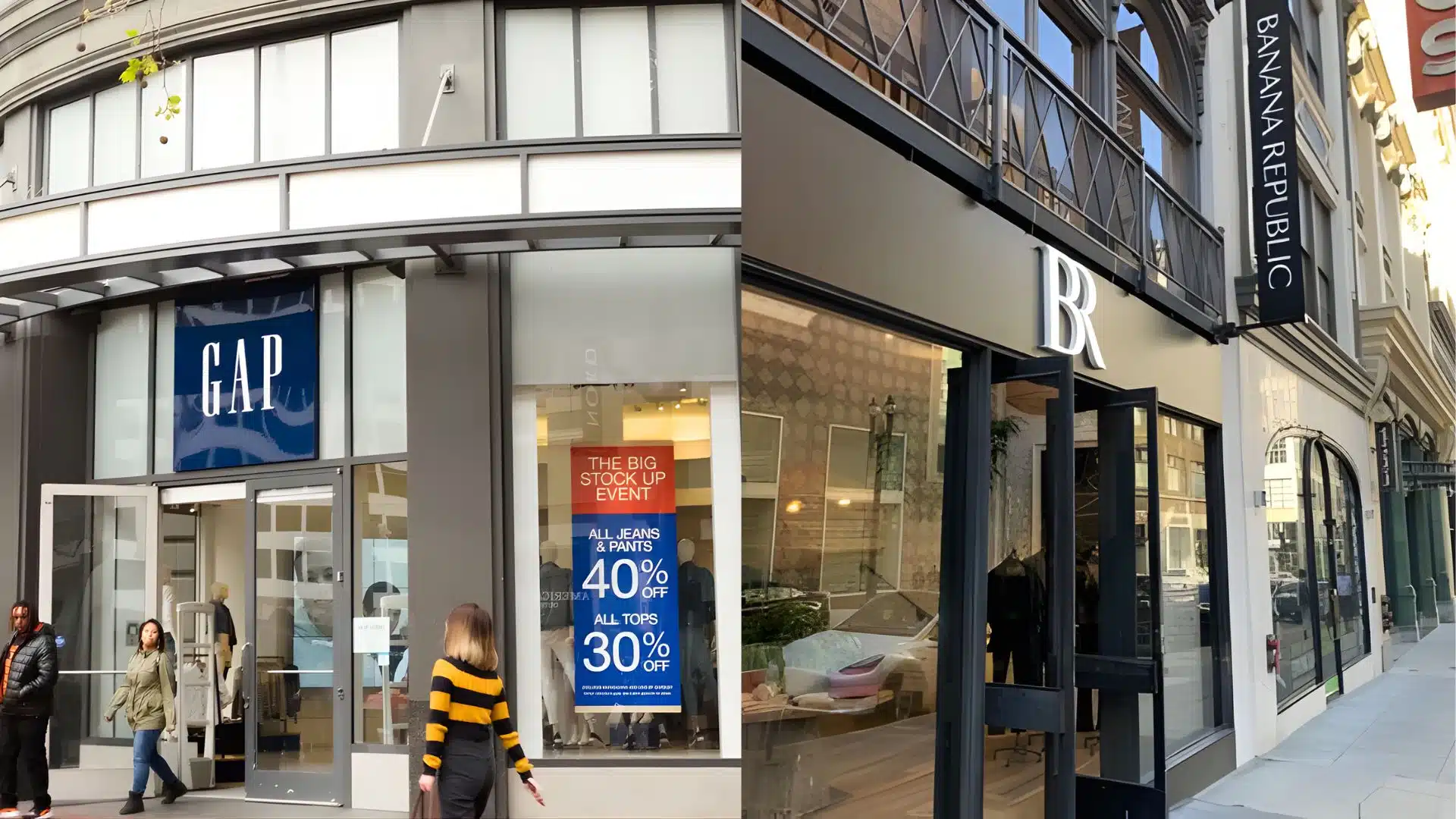
The 2022 Fashion Transparency Index gave Gap Inc., Banana Republic’s parent company, a score of 44 percent based on how much the group discloses about its social and environmental practices.
That score places it below the threshold most ethics-focused shoppers would find acceptable.
How Does Banana Republic Treat Its Workers?
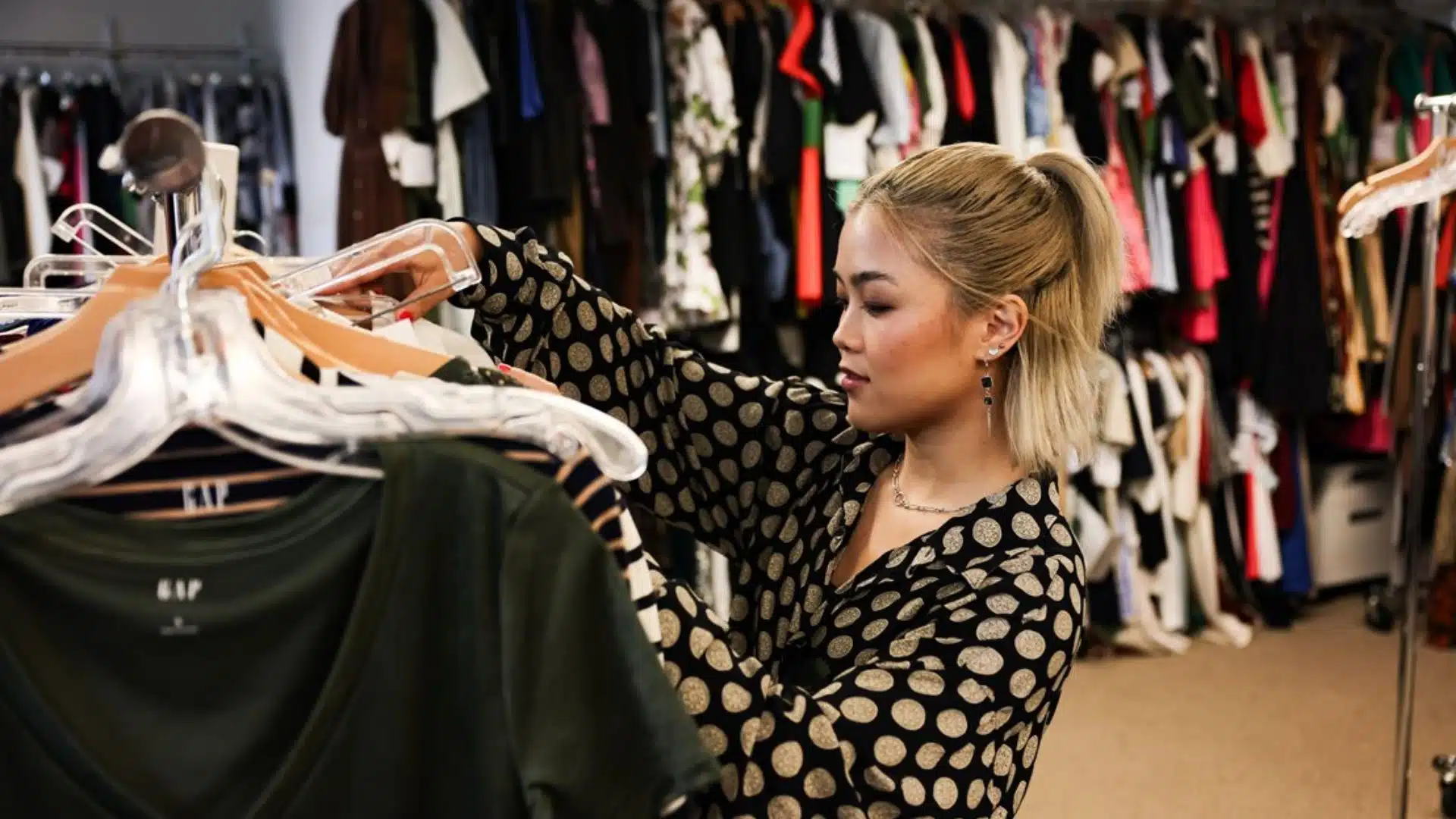
This is the most pressing concern. According to Good On You, there is no evidence that Banana Republic ensures a living wage is paid to workers in its supply chain.
None of Banana Republic’s supply chain is certified by labor standards that ensure worker health, safety, or other basic rights.
Banana Republic does have a code of conduct that applies to its suppliers and subcontractors. The code is based on International Labor Organization regulations.
The brand also carries out factory assessments through informal visits and third-party audits. However, those audits are not always conducted with notice, and the results are not made fully public.
Reports from factory workers in countries like India have documented overtime hours beyond legal limits and wages below the local minimum wage.
The brand has denied these claims and states it maintains a zero-tolerance policy on unethical practices. But without independent certification to back it up, shoppers have no way to verify it.
The fact that Gap Inc. owns Banana Republic matters here. Labor policies across Banana Republic are set at the parent company level, not by the brand itself.
Gap Inc. has faced criticism for factory conditions for years, even as it has introduced various programs to address them.
What Is Banana Republic Doing for the Environment?
This is where the brand does slightly better, though the picture is still mixed.
What Banana Republic has committed to:
- Reducing greenhouse gas emissions by 50 percent by 2030
- Reaching 100% sustainable cotton across its range
- Using recycled packaging across its operations
- Offering the resale of secondhand products
Where it still falls short:
- No published breakdown of the full materials it uses
- No evidence that it is on track to meet its emissions target
- No clear action to address textile waste during manufacturing
- Limited transparency on water and energy use in production
The brand received an A rating in the CDP water security questionnaire, indicating it is doing more than most to manage water use across its supply chain. That is a genuine positive worth noting.
Still, several ethics reviewers have flagged that some of Banana Republic’s sustainability messaging reads more like positioning than action.
These production model questions connect to a broader point. A brand that operates on a high-volume, discount-driven model faces built-in limits on how sustainable it can realistically be.
The full breakdown of how Banana Republic operates as a fast fashion brand puts those limits in context.
How Does Banana Republic Handle Animal Welfare?
Not well enough, according to independent reviewers. The brand does not use fur, angora, or exotic animal skin, which is a baseline commitment most major brands now meet.
But it still uses leather, wool, cashmere, and shearling. Good On You found no evidence that Banana Republic traces any of these animal-derived products back to the first stage of production.
The brand states it has a policy to source wool from non-mulesed sheep, but provides no verification for that claim. For shoppers who care about animal welfare, that lack of evidence is a problem.
Is Banana Republic Getting Better?
There is some movement in the right direction. The brand is more transparent now than it was five years ago. It publishes a manufacturer list.
It has set emissions and materials goals. It runs worker empowerment programs in some factories.
But progress is slow, and the gaps between what Banana Republic says and what it can prove remain wide. For a brand at its scale and price point, the bar should be higher.
And if Banana Republic’s quality is already part of how you decide what to buy, pairing that with an understanding of its ethics gives you a fuller picture before you spend.
Conclusion
Banana Republic is not an ethical brand by most independent measures. Worker wages are not verified. Supply chain certification is absent.
Environmental targets exist but lack transparent reporting of progress. The brand is not the worst in the industry. It performs better than ultra-cheap fast-fashion labels on some measures.
But for shoppers making conscious choices, that is a low bar. Know what you are buying, buy less of it, and make it last as long as possible. Is ethics a factor in how you shop for clothing? Tell us in the comments below.
Frequently Asked Questions
Does Banana Republic offer a clothing recycling program?
Yes, through the “Gap Inc. Recycle” initiative, customers can donate used garments at select locations. However, the brand provides limited data regarding the total volume of waste diverted.
Is Banana Republic considered “fast fashion”?
While marketed as accessible luxury, its high-volume production, frequent seasonal turnover, and heavy reliance on discount cycles closely align with the traditional fast-fashion business model and its associated environmental impact.
Are there better ethical alternatives to the brand?
Shoppers seeking higher standards often choose brands like Patagonia or Reformation. These companies offer greater transparency regarding living wages and use a significantly higher percentage of certified organic materials.
Does the brand use plastic-free packaging for shipping?
Banana Republic aims for 100% sustainable packaging by 2025. Currently, many online orders still arrive in plastic mailers that are difficult to recycle compared to cardboard or compostable alternatives.
How does garment quality impact their ethical standing?
Higher quality items last longer, reducing the frequency of new purchases. While some Banana Republic pieces are durable, the lack of a lifetime guarantee makes it difficult to verify their durability.