
Confused about which vitamin A treatment suits your skin best?
You know what, both tretinoin and retinol promise smoother skin, fewer wrinkles, and a youthful glow, but they work very differently.
Tretinoin vs retinol is one of the most searched skincare questions for good reason.
Knowing these two options can feel overwhelming when you’re just starting your anti-aging routine. Each has unique characteristics that affect your results.
In this blog, I’ll show you everything you need to know about these popular treatments. You’ll understand how they compare and which one aligns with your skin goals.
What Are Retinol and Tretinoin?
Both belong to the retinoid family, which comes from vitamin A. These compounds have been used to treat acne and aging for decades, significantly improving skin texture.
Retinol is gentler and doesn’t require a prescription. You can find it in serums, creams, and moisturizers everywhere. Your skin converts it to retinoic acid after absorption.
Tretinoin is the active form of vitamin A, also called retinoic acid. Your skin can use it immediately without any conversion process.
Both tell skin cells to renew faster. Retinol gives a gentle nudge while tretinoin delivers a firm push, revealing clearer skin over time.
How Do They Work on The Skin?
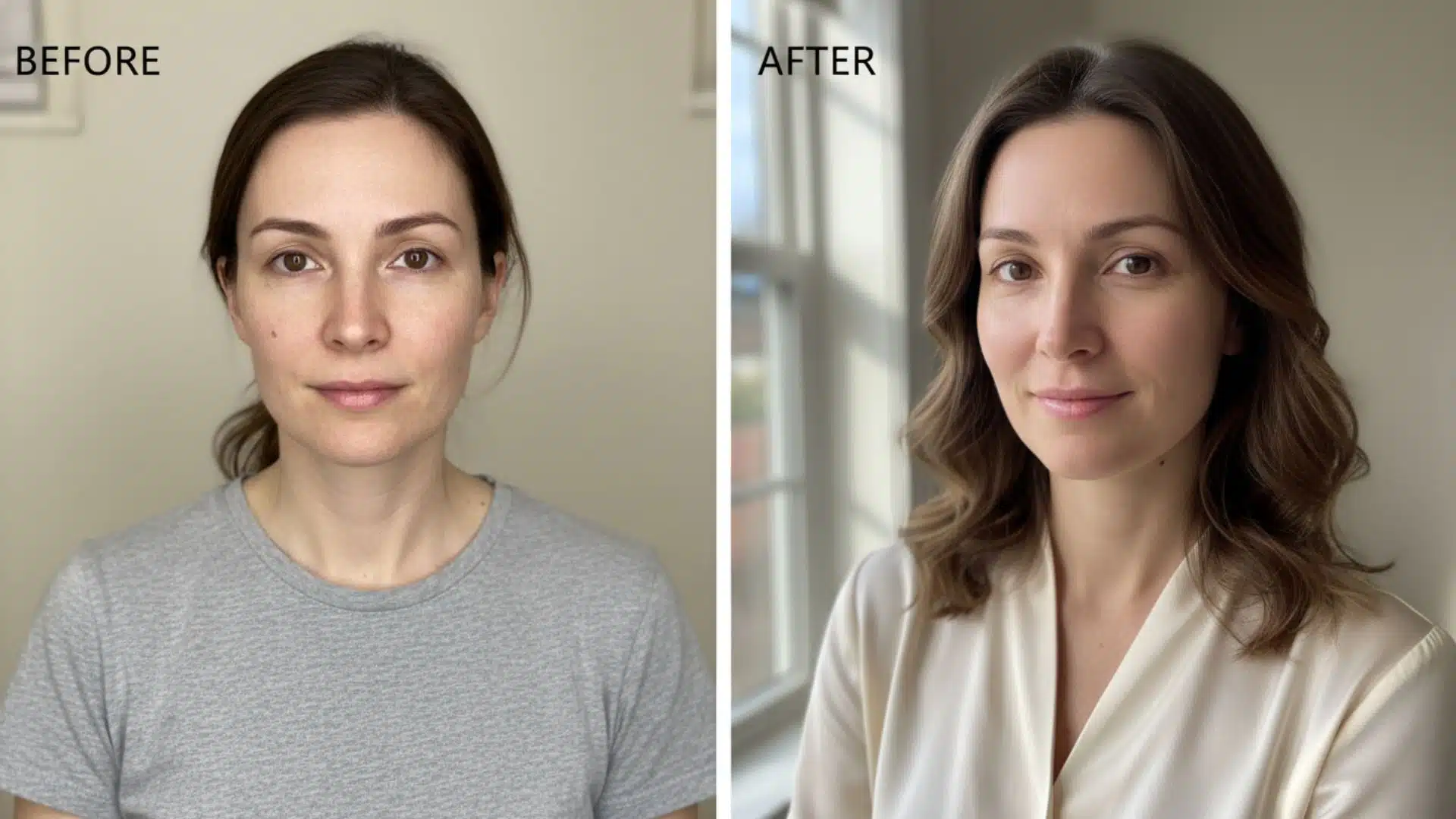
Both products work by speeding up cell turnover in your skin. They tell your skin cells to grow faster and shed dead cells more quickly. This process reveals fresher, younger-looking skin underneath.
Retinol must undergo two conversions before becoming retinoic acid. First, it changes to retinaldehyde, then to retinoic acid. Each conversion step reduces its potency, making it gentler but slower to show results.
Tretinoin skips all conversion steps entirely. It’s already in the active form that skin cells recognize and use. Your skin receptors bind to it directly, triggering immediate cellular changes.
Here’s what happens when you use these products regularly
- Increased collagen production makes skin firmer and plumper.
- Faster cell turnover reduces fine lines and wrinkles.
- Unclogged pores prevent acne breakouts.
- Evening of skin tone and fading of dark spots.
- Improved skin texture and smoother surface.
Potency & Strength: Why Tretinoin Acts Faster?
Tretinoin shows results more quickly because it works in its active form and is often chosen for difficult skin problems. Retinol produces steady improvements with ongoing use.
| Feature | Tretinoin | Retinol |
|---|---|---|
| Time to See Results | 4-6 weeks | 12+ weeks |
| Potency Level | High (20x stronger) | Moderate |
| Conversion Needed | No | Yes (2 steps) |
| Best For | Severe acne, deep wrinkles | Mild aging signs, prevention |
The faster action of tretinoin also means quicker irritation for some users. Your skin may need time to adjust to its intensity. Starting slow helps minimize unwanted reactions.
Prescription vs Over-The-Counter & Formulations
Tretinoin requires a prescription from a dermatologist in most countries. You cannot buy it at regular stores or online without medical approval. This regulation exists because of its strength and potential side effects.
Retinol is freely available everywhere. Drugstores, beauty counters, and online shops all stock retinol products. You can start using them without seeing a doctor first.
Tretinoin comes in three main forms
- Cream: Best for dry or sensitive skin types.
- Gel: Works well for oily and acne-prone skin.
- Micro-gel: Gentler formula with slower release.
Retinol appears in various products
- Serums with higher concentrations for targeted treatment.
- Night creams with lower percentages for daily use.
- Eye creams specially formulated for thin skin.
- Moisturizers that combine hydration with anti-aging benefits.
The prescription requirement for tretinoin means professional monitoring.
Your dermatologist can adjust the strength based on how your skin responds. This personalized approach reduces risks and improves outcomes.
Tretinoin vs Retinol: What’s the Real Difference?
The main difference lies in how they are used and obtained. Tretinoin offers faster results when used by prescription, while retinol provides gentle improvement and easy access for beginners.
This structural difference creates a ripple effect. It impacts everything from availability and cost to how fast you’ll see improvements and potential side effects.
| Aspect | Tretinoin | Retinol |
|---|---|---|
| Chemical Form | Retinoic acid (active) | Vitamin A derivative |
| Availability | Prescription only | Over-the-counter |
| Primary Benefits | Clears severe acne, reduces deep wrinkles, and fades hyperpigmentation | Prevents early aging, smooths fine lines, and evens skin tone |
| Irritation Risk | Higher initially | Lower overall |
| Cost | $50-$200 per tube | $15-$80 per product |
| Sun Sensitivity | High (SPF essential) | Moderate (SPF recommended) |
| Medical Supervision | Dermatologist monitors progress | Self-managed at home |
Common Side Effects of Tretinoin and Retinol
Your skin needs time to adjust to either product. Tretinoin initially causes noticeable peeling and redness, often requiring extra moisturizer. Retinol is gentler, allowing gradual adaptation with minimal irritation.
What to Expect:
- Redness and flaking around the nose, mouth, and forehead.
- Tight, dry skin that craves hydration.
- Stinging sensation right after application.
- Breakouts as pores clear out debris (purging phase).
- Heightened sensitivity to harsh ingredients.
The Purging Phase
Don’t panic if acne worsens initially. This “purging” means the product is working, bringing hidden congestion to the surface faster. It typically lasts 4-6 weeks before the skin clears up beautifully.
Which Is Better for You?
Your choice depends on several personal factors. Skin concerns, sensitivity level, and patience all play a role. Neither option is universally better than the other.
| Choose Tretinoin if You Have | Choose Retinol if You |
|
|
Many dermatologists suggest starting with retinol first. Build tolerance over months, then upgrade to tretinoin if needed. This prevents overwhelming your skin initially.
Steady, mindful application yields lasting results and helps the skin adapt well. Choose whatever product fits your routine and stick with it.
Wrapping It Up
To summarize, choosing between these vitamin A derivatives depends on your unique skin situation.
Consider factors like your age, tolerance level, specific concerns, and whether you prefer medical guidance or self-management.
Start with what feels comfortable for your lifestyle. Remember that patience and regular application matter most for visible improvements.
Whichever option you select, protect your skin with daily sunscreen and give it time to adjust properly.
The journey to healthier skin requires commitment, not perfection. Listen to your skin’s signals and adjust accordingly.
With the right choice and consistent routine, you’ll achieve the glowing complexion you’ve been working toward.
Which treatment resonates more with your current skincare needs and goals?