
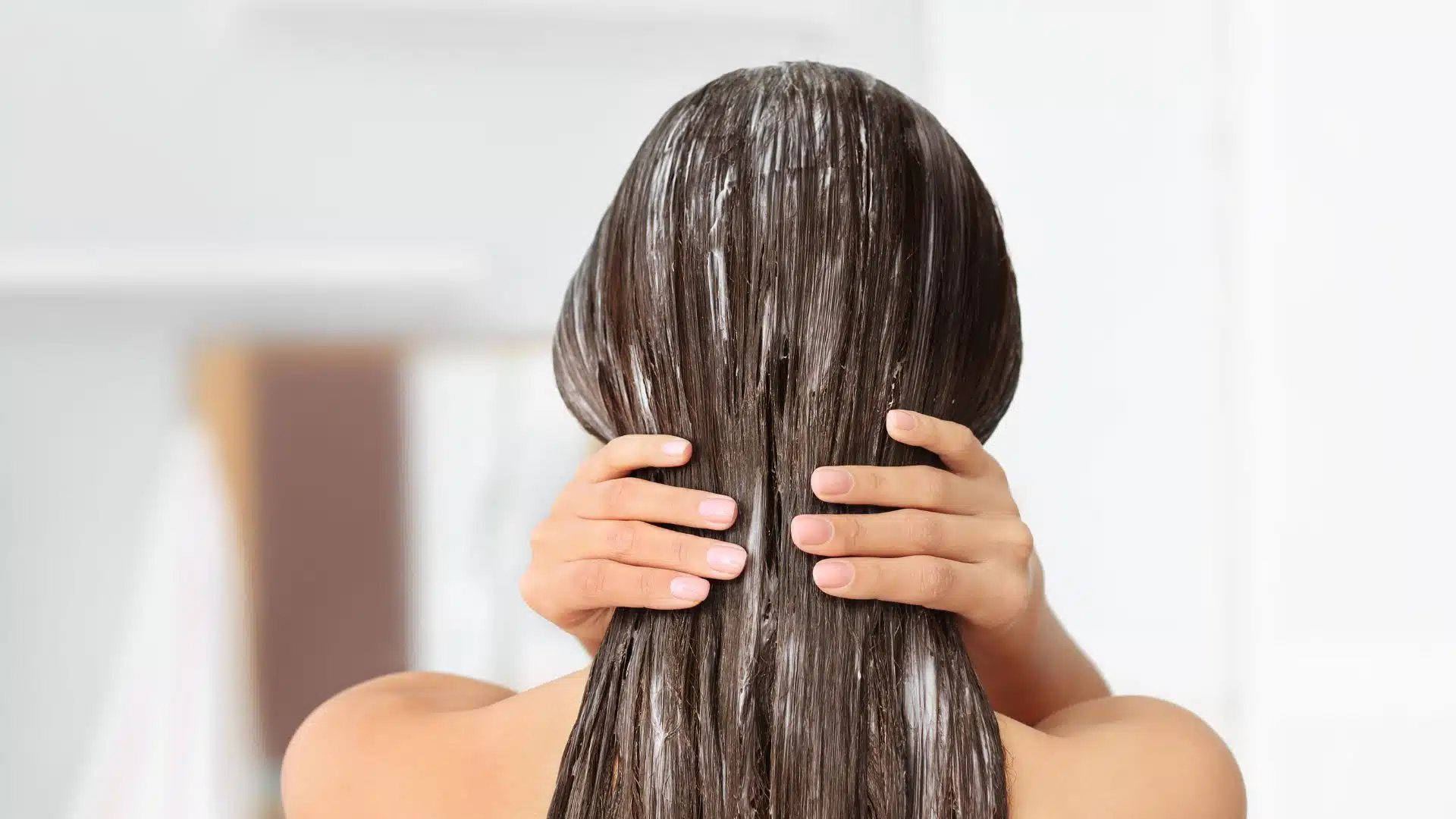
Ever stood in the shower wondering if you’re conditioning too much or too little?
This confusion happens more often than you think, and figuring out the right routine for your strands can feel tricky.
Some people condition daily while others skip it for weeks, but the truth is, there’s no universal answer that fits everyone.
Your hair texture, lifestyle habits, and styling choices all matter when deciding frequency. Fine hair needs different care than thick curls, and oily scalps have opposite needs from dry ends.
In this blog, I’ll show you exactly when you should use conditioner dailyand when it might be harmful. You’ll learn to read your hair’s signals and build a routine that works.
Can You Condition Every Day?
Yes, you can use conditioner every day, but it depends on your specific needs. Well, the answer isn’t the same for everyone. Several factors play a role, including hair texture and current condition.
Daily conditioning won’t damage your hair if you choose the right product. Lightweight formulas work well for everyday use. Heavy, creamy conditioners might build up and weigh hair down over time.
The key is tuning into how your hair responds to your routine.
- Does it feel dry and brittle? Daily conditioning might help.
- Does it look greasy by midday? You might need to cut back a bit.
Many hair experts recommend conditioning after every shampoo. Since shampoo removes oils, conditioner helps restore balance. Just adjust the amount and type based on how your hair responds.
What Does Conditioner Actually Do?
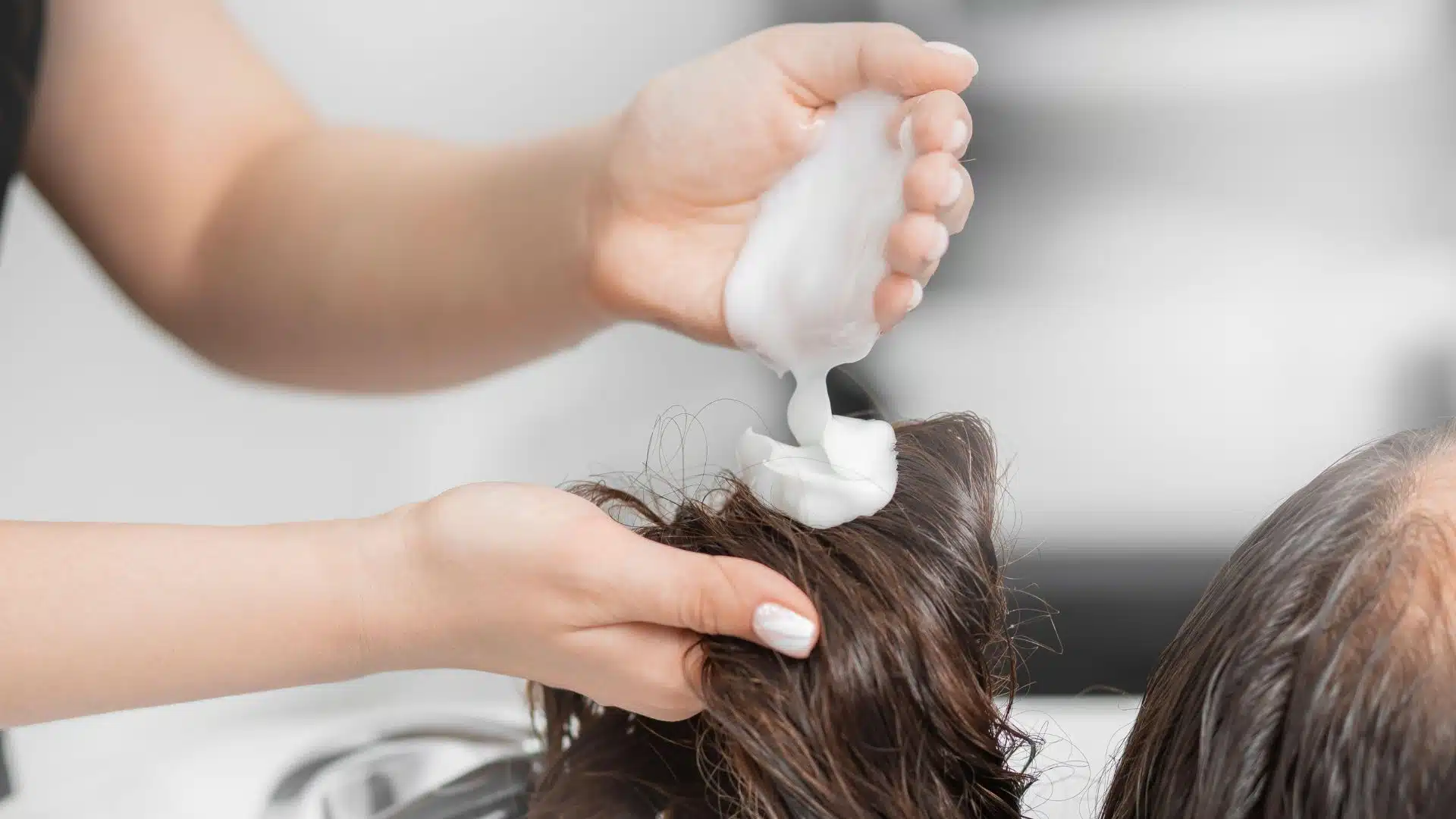
Conditioner works like a protective shield for your hair strands. When you shampoo, the cuticle opens, allowing natural oils to be stripped away. Conditioner smooths those cuticles down.
Think of your hair like fabric. Without conditioner, it becomes rough and tangled. The ingredients coat each strand with lipids and proteins for softness.
Conditioner reduces friction between hair strands. This means less breakage when you brush or style. It locks in hydration and protects against environmental damage.
Most conditioners contain silicones, oils, and humectants. These work together to repair damage and prevent future problems. The result is hair that looks shinier.
When is Daily Conditioning a Good Idea?
Certain hair types thrive with regular moisture treatments. If you recognize your hair in these situations, daily conditioning might work wonders for you.
Daily conditioning helps:
- Parched or brittle strands need extra hydration.
- Dense or textured hair is prone to knots.
- Dyed or chemically altered locks.
- Strands exposed to frequent heat styling.
- Swimmers dealing with pool chemicals.
- Anyone facing extreme climate conditions.
If you’re embracing your natural texture, daily conditioning helps improve definition and maintain softness between washes.
For those who style frequently, use conditioning as a prep step. It boosts elasticity and helps prevent moisture loss from heat tools.
When Should You Avoid Daily Conditioning?
Not everyone needs to condition every single day. Some hair types actually do better with less frequent conditioning. Overdoing it can lead to limp, greasy hair.
Fine or thin hair gets weighed down easily. Too much conditioner makes it look flat and lifeless. If you have naturally oily hair, daily conditioning might make the problem worse.
Skip daily conditioning if you have
|
People with oily scalps should focus conditioner on the ends only. Applying it to the roots can trigger excess oil production. Consider conditioning every other day instead of daily.
If your hair feels sticky or looks stringy after conditioning, that’s a sign to reduce frequency. Try conditioning three to four times per week instead.
How Often Should You Condition by Hair Type?
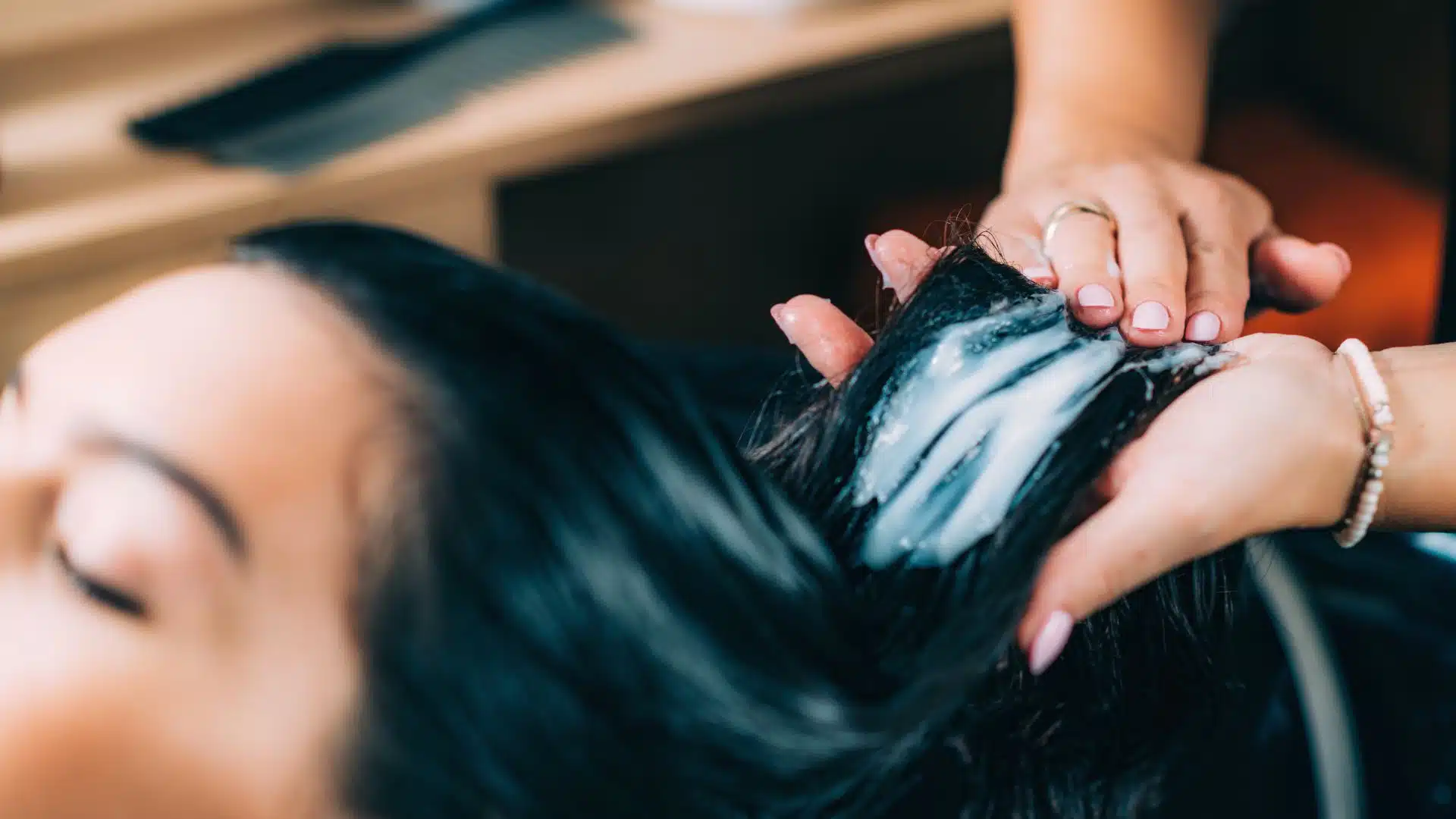
Different hair types have different moisture needs. Here’s a quick guide to help you figure out your ideal conditioning schedule based on your hair texture.
| Hair Type | Recommended Frequency | Best Product Type |
|---|---|---|
| Fine/Thin Hair | 2-3 times per week | Lightweight, volumizing |
| Normal Hair | Every other day | Regular moisture formula |
| Thick/Coarse Hair | Daily | Rich, creamy conditioner |
| Curly/Wavy Hair | Daily | Hydrating, curl-defining |
| Oily Hair | 2-3 times per week | Clarifying ends only |
| Dry/Damaged Hair | Daily | Deep conditioning, repair |
Remember, these are general guidelines. Your individual needs might differ based on lifestyle factors. Pay attention to how your hair responds and adjust accordingly.
Tips to Condition Daily Without Weighing Hair Down
Want to condition every day without the heavy, greasy feeling? These tricks will help you get moisture without sacrificing volume or bounce.
Apply Only to Mid-Lengths and Ends
Keep conditioner away from your roots and scalp. Focus on the bottom half of your hair where damage happens most. This prevents greasiness at the crown.
Use the Right Amount
Less is more with conditioner. Start with a quarter-sized amount for short hair or a half-dollar size for long hair. You can always add more if needed.
Rinse Thoroughly
Spend extra time rinsing out all the product. Leftover conditioner makes hair look dull and flat. Use cool water for the final rinse to seal cuticles.
Choose Lightweight Formulas
Look for conditioners labeled as volumizing or lightweight. Avoid thick, creamy formulas if you have fine hair. Water-based products work better for daily use.
Try Co-Washing Occasionally
Co-washing means using only conditioner instead of shampoo. This works well for dry hair types. Alternate between regular washing and co-washing to maintain balance.
Signs You’re Over-Conditioning or Under-Conditioning
Your hair sends clear signals about conditioning balance. Watch for these warning signs to know when you need to adjust your routine accordingly.
| Over-Conditioning Signs | Under-Conditioning Signs |
|
|
Finding your personal sweet spot takes time. What works for others might not suit you. Keep adjusting until your hair feels just right.
Wrapping It Up
To summarize, the answer depends entirely on your unique hair type and needs.
Daily conditioning works well for dry, curly, or damaged hair that craves moisture. Fine or oily hair benefits from less frequent conditioning to avoid buildup.
Pay attention to the cues your hair gives. Texture, shine, and manageability reveal what it needs. Adjust your routine based on the signs your hair shows.
Remember, healthy hair care is about consistency and paying attention to changes. Your hair’s needs might shift with seasons or styling habits.
What’s your ideal conditioning schedule? Share your experience in the comments below.