Ever wondered who’s behind the decks spinning those beats that get everyone moving? Female DJs are taking over dance floors worldwide.
Here’s the thing: not all DJs are the same. Some thrive at massive outdoor concerts. Others dominate intimate nightclub scenes. Others blend genres seamlessly.
This guide breaks down everything you need to know. You’ll learn what these talented women actually do during performances.
You’ll also get practical advice on finding one whose sound matches your preferences. Think you can spot the difference between a techno spinner and a bass specialist?
Most can’t. By the end, you’ll recognize each style instantly. Let’s change that today. Ready to understand this exciting world? Let’s get started.
What Is A Female DJ?
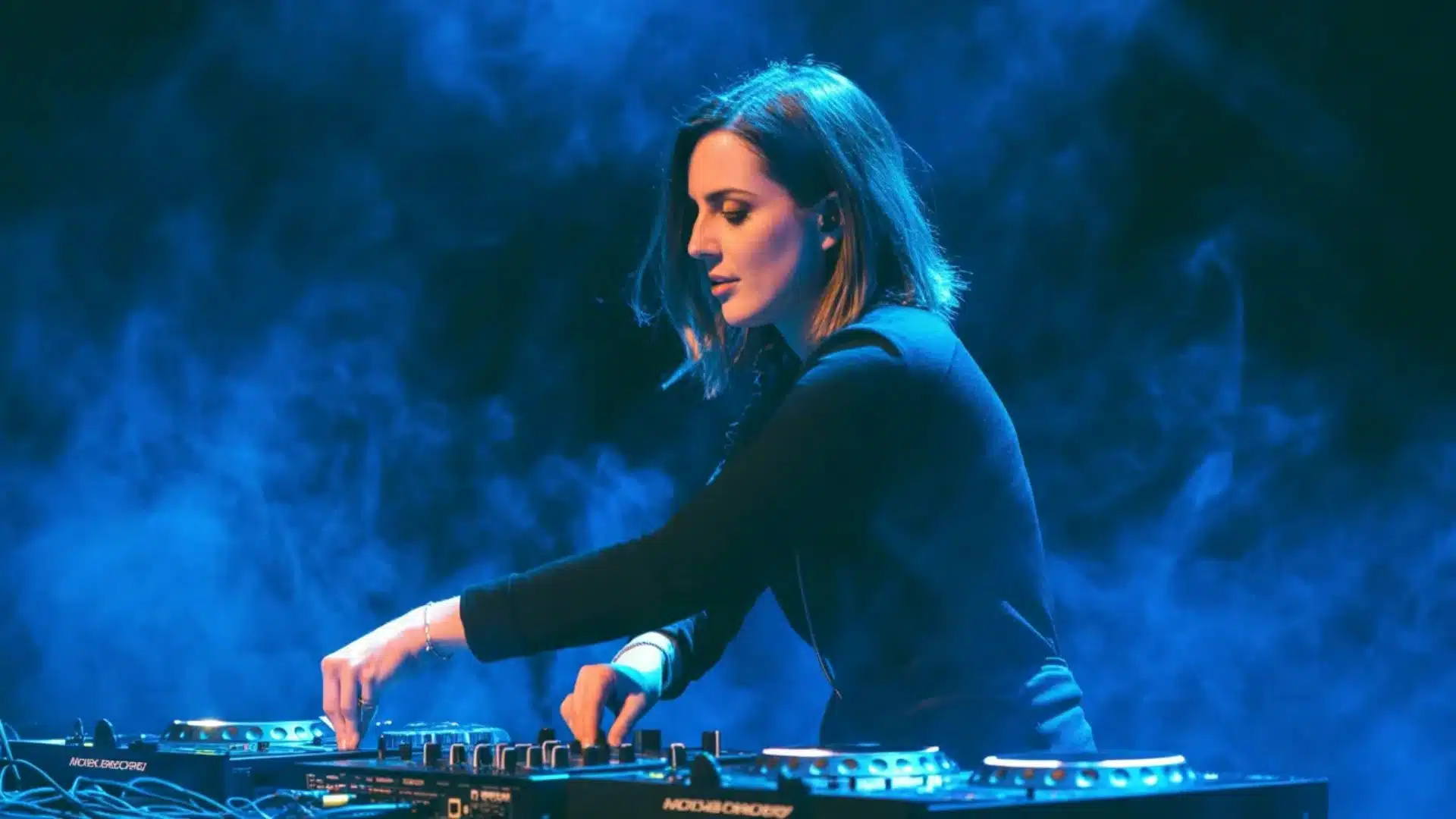
A female DJ is a woman who plays and mixes music for audiences at events, clubs, parties, or online platforms. selects tracks, creates smooth transitions, and controls crowd energy.
The term highlights gender in a male-dominated industry.
Clear Definition: A female DJ uses equipment like turntables, controllers, or CDJs to play music. Her job goes beyond pressing play. reads the crowd and adjusts music selection accordingly.
What a Dj Actually Does at Events and In Clubs: Reading the room is crucial. watches crowd reactions and adjusts tracks based on mood and energy levels.
Transitions between songs must be smooth. uses beatmatching to align tempos and EQ controls to blend frequencies.
Pacing keeps people engaged. builds energy gradually, creates peak moments, and gives the crowd breathing room.
Energy control means knowing when to amp up or slow down the vibe.
Common Misconceptions DJ vs Producer: DJs play existing music live. Producers create original tracks in studios. They’re different skills. Controller vs Turntables: Both are valid pieces of equipment. Skill matters more than the tools used. |
Female DJs perform in diverse settings and focus on various styles. Each category demands distinct skills and targets different audiences, highlighting the variety within the DJ industry.
15 Best Female DJs By Music Style And Genre
The industry is full of talented women making waves. Here are 15 standout artists representing each DJ type we discussed earlier.
1. Peggy Gou (Club DJ)
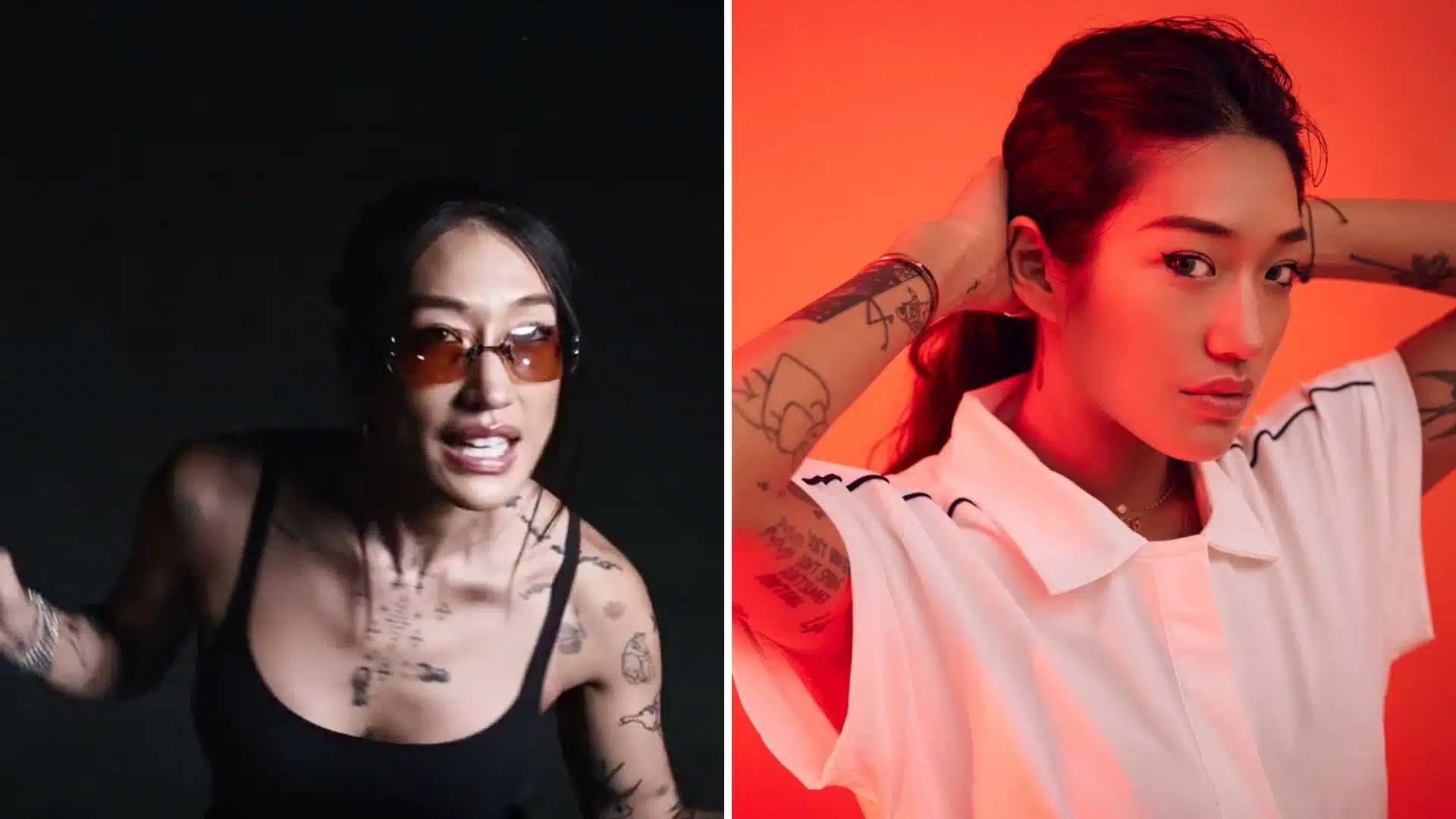
Seoul’s gift to global nightlife. Peggy Gou dominates club scenes with her signature sound, blending house and techno.
Her Korean heritage influences her unique style. known for marathon sets that keep crowds captivated all night long.
2. Charlotte de Witte (Festival DJ)
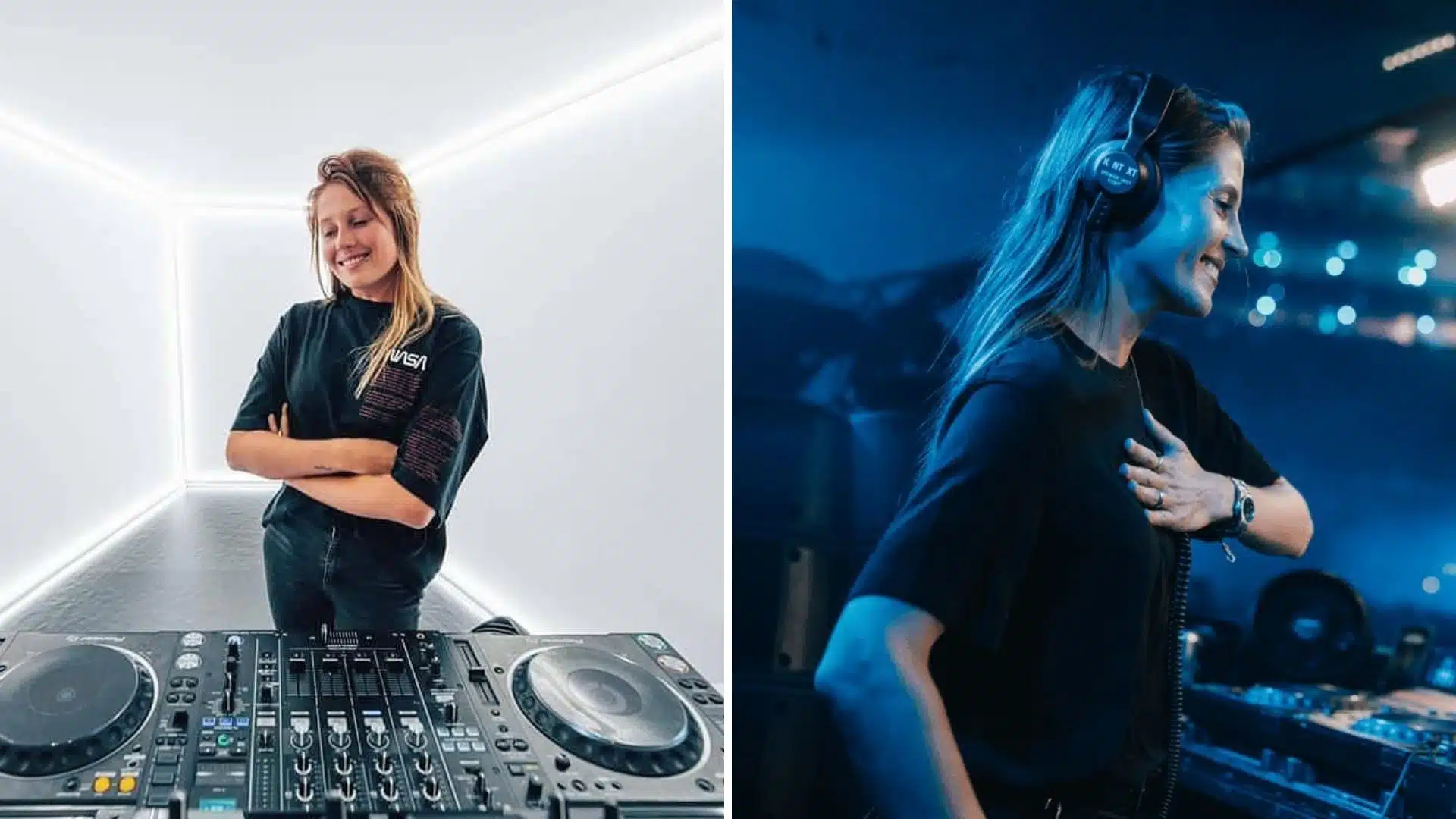
Commands Europe’s biggest stages. Charlotte de Witte brings dark, powerful techno to massive festival audiences. Her intense performances at Tomorrowland and Awakenings are legendary.
Balances underground credibility with mainstage appeal effortlessly.
3. Rezz (Bass DJ)
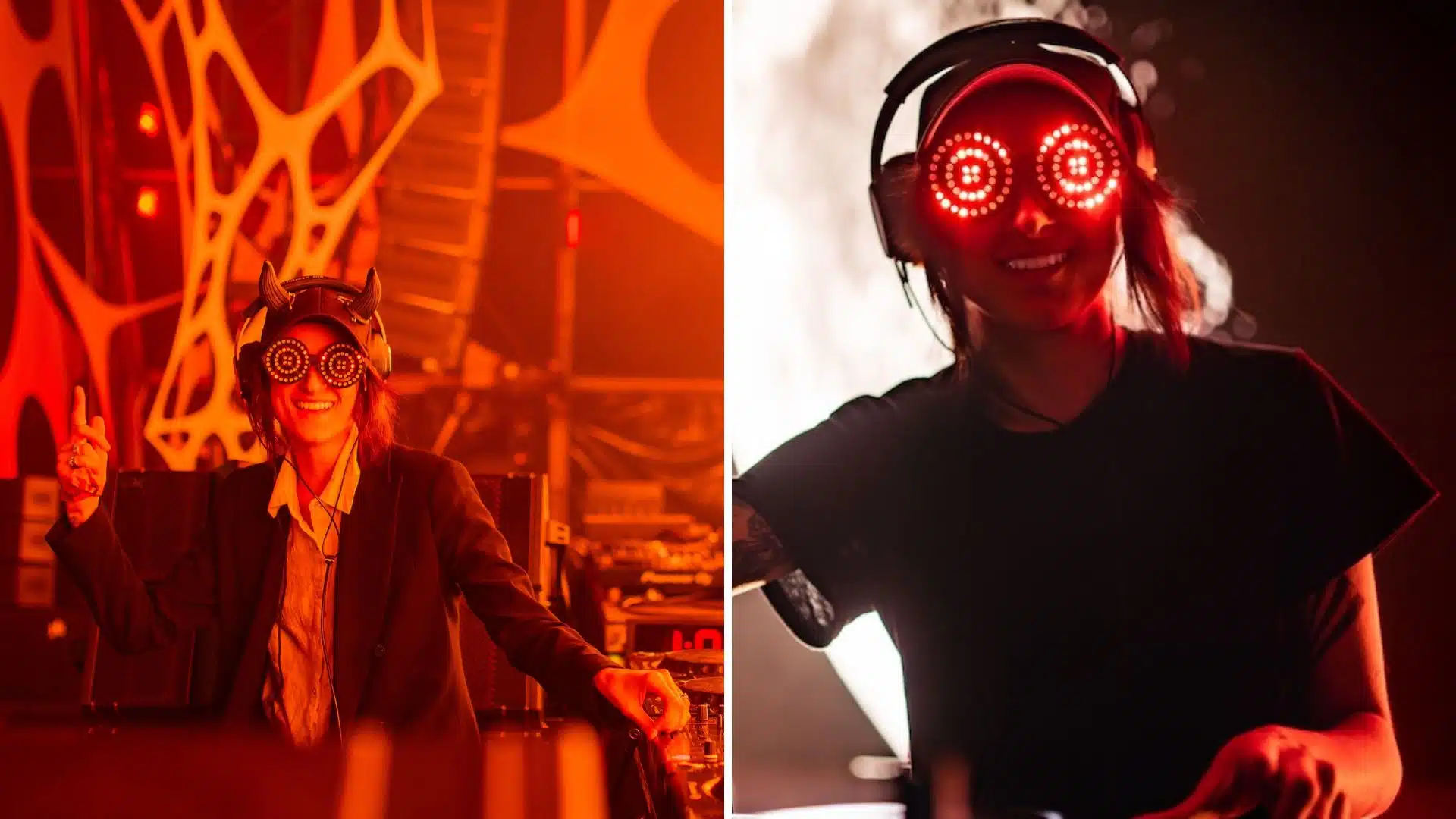
The Space Mom of bass music. Rezz creates hypnotic bass experiences with her signature LED goggles. Her dark, mid-tempo sound has a cult-like following.
She produces most of the tracks herself, making her sets uniquely personal and boundary-pushing.
4. Nervo (EDM DJ)
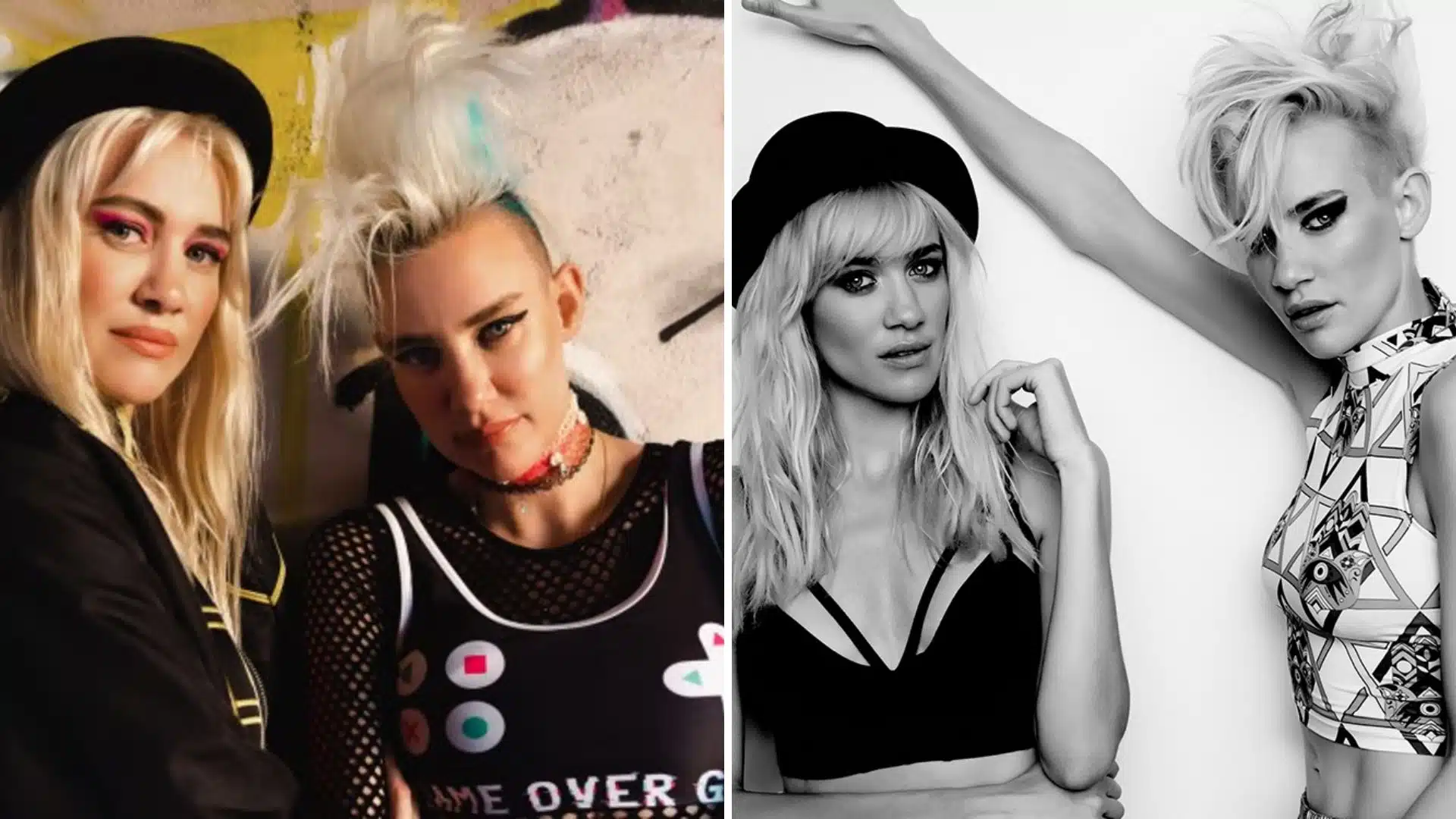
This Australian duo rules commercial dance music. Nervo sisters, Miriam and Olivia, bring high-energy EDM worldwide.
They’ve written hits for prominent pop artists before DJing. Their infectious enthusiasm and polished performances make them festival favorites globally.
5. Amelie Lens (Techno DJ)
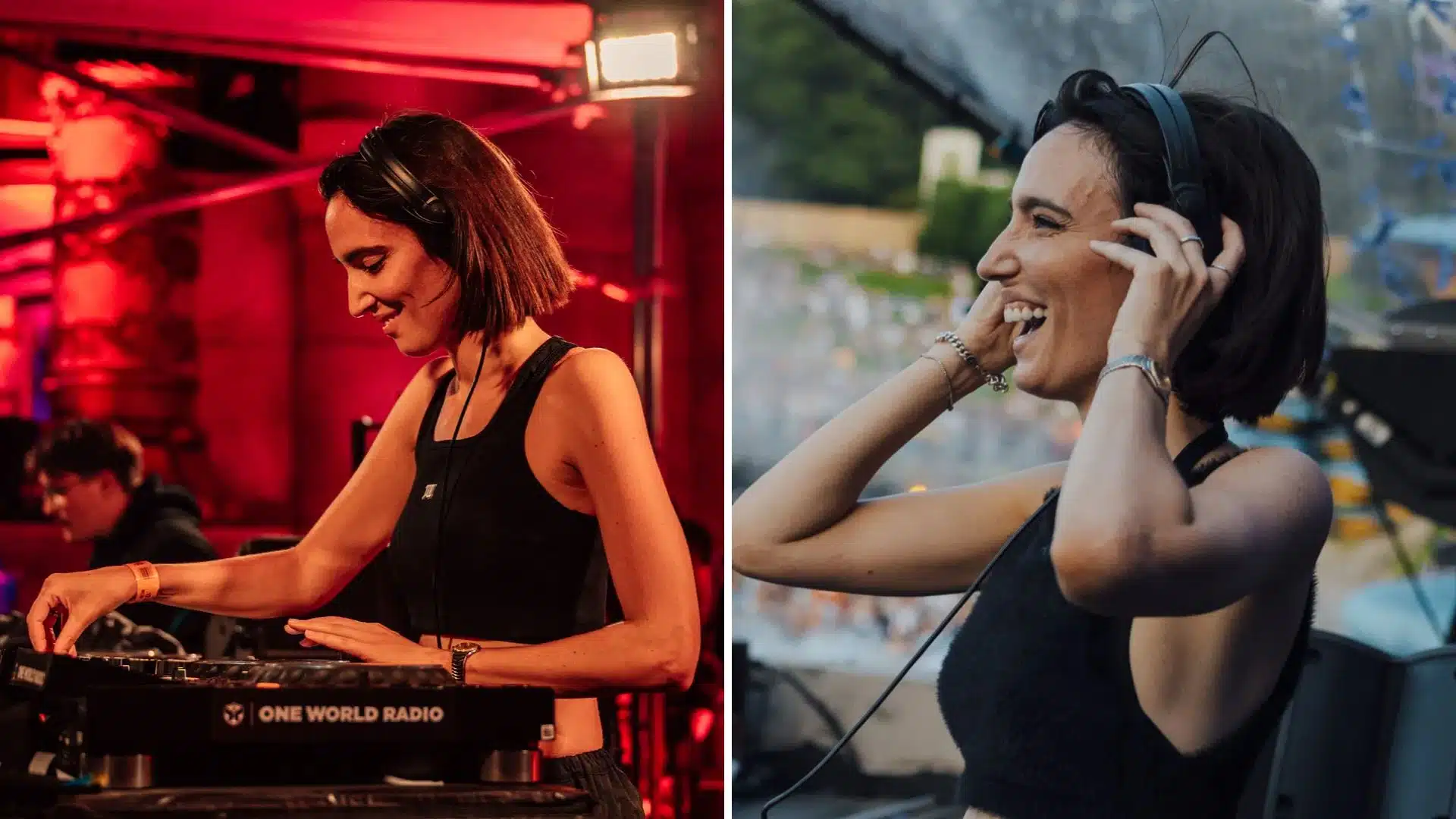
Represents Belgium’s underground scene perfectly. Amelie Lens plays relentless, driving techno that defines modern rave culture. runs her own label, LENSKE.
Her rise from local clubs to global icon happened remarkably fast through pure talent.
6. Sam Divine (House DJ)
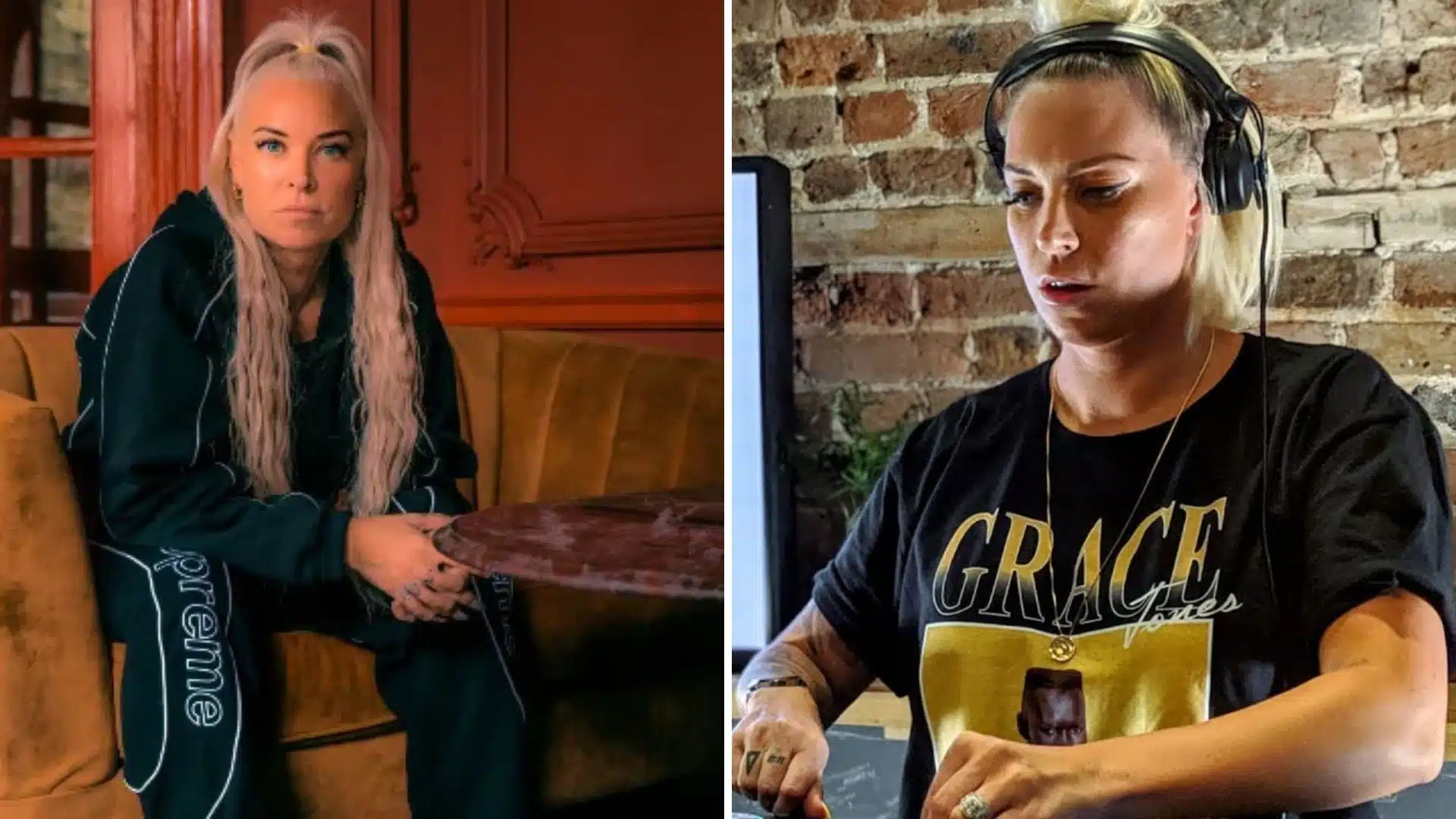
The queen of groove-driven house. Sam Divine holds a residency on BBC Radio 1Xtra.
Her selections span soulful and tech house perfectly. brings warmth and sophistication to every dance floor touch.
7. DJ Rap (Drum and Bass DJ)
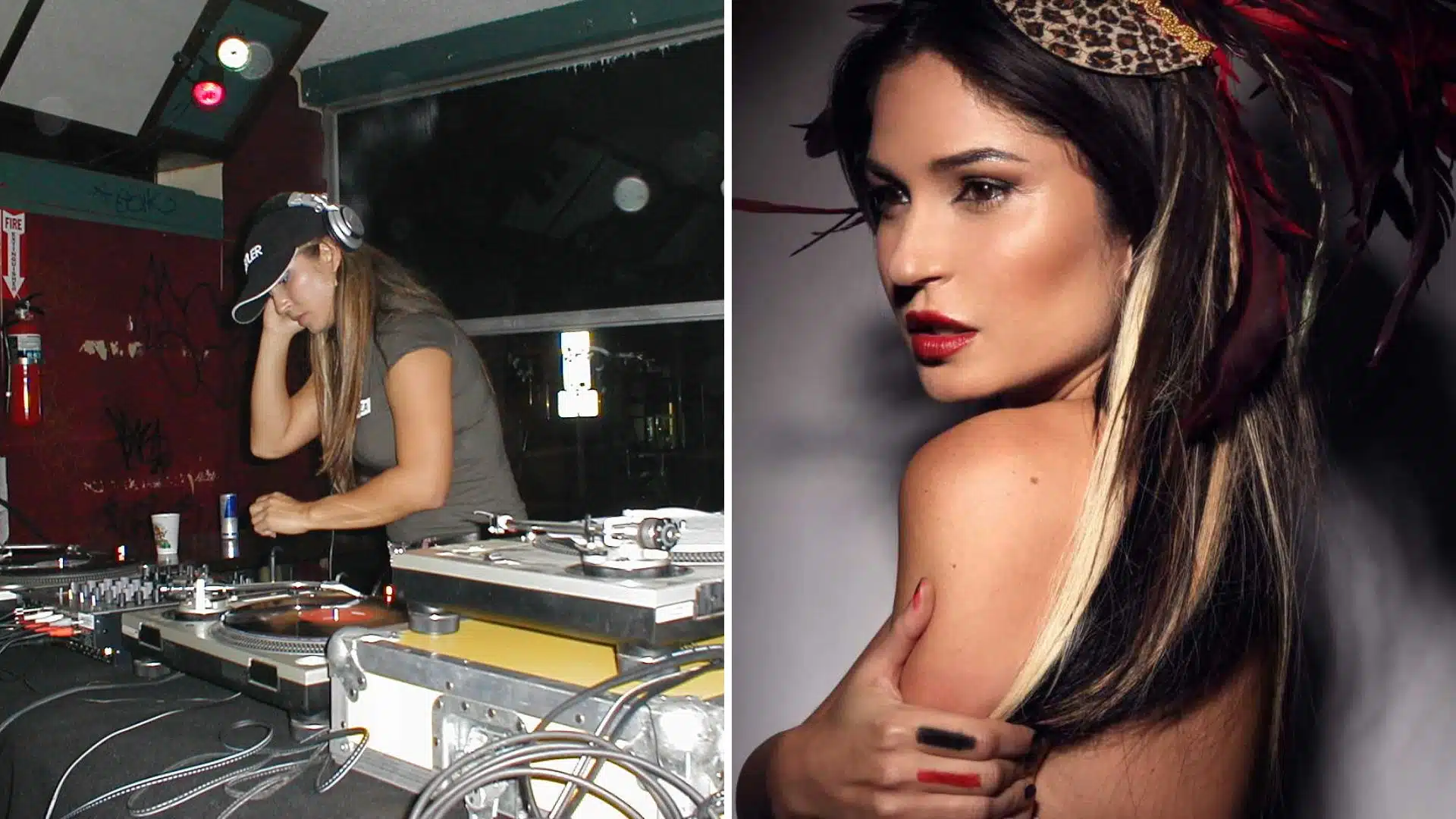
Pioneered women in drum and bass. DJ Rap has been pushing 170 BPM since the early ’90s.
Her technical ability matches any male counterpart, also a successful producer with multiple albums released over decades.
8. Whipped Cream (Dubstep DJ)
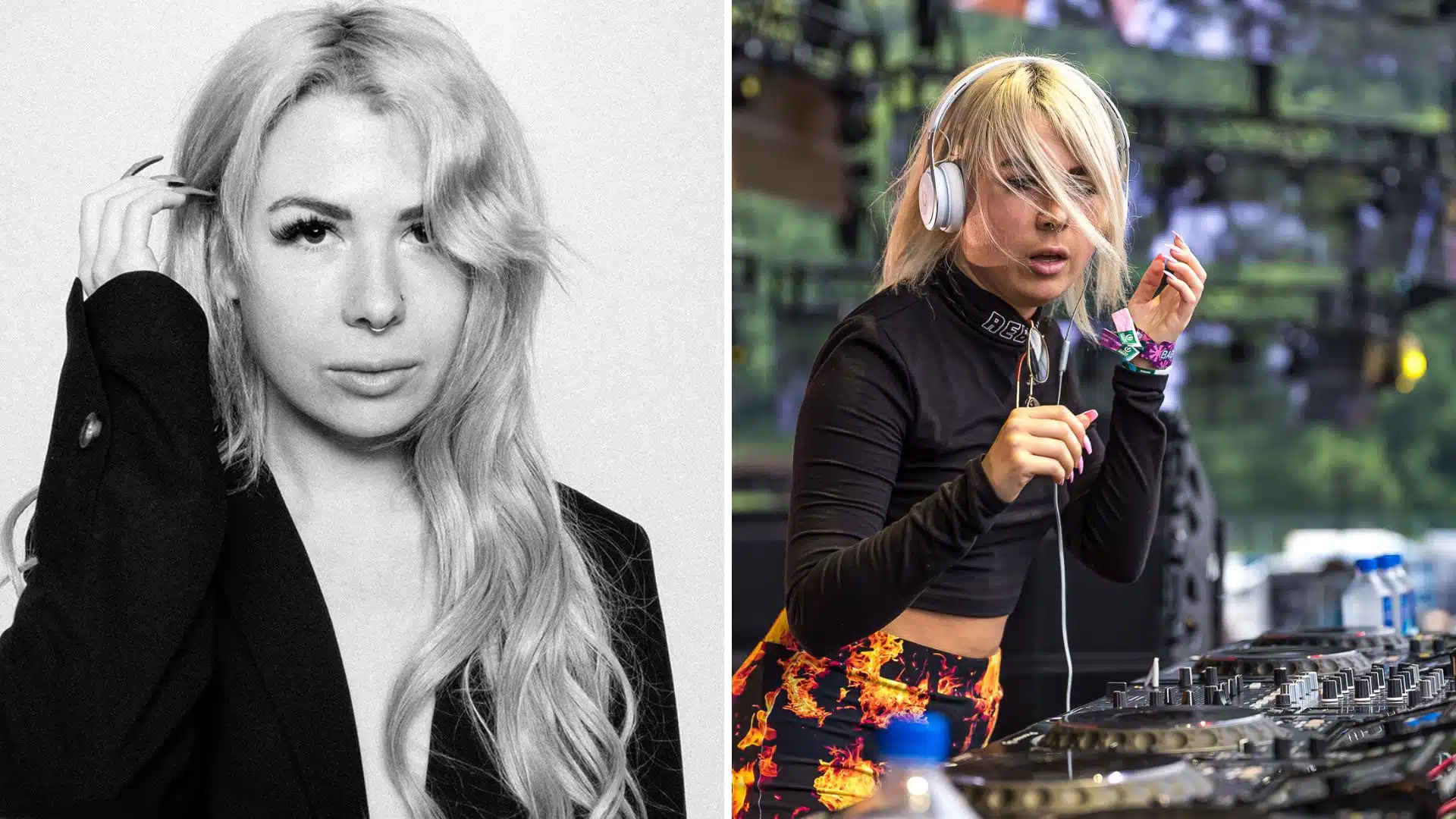
Brings fierce energy to bass music. Whipped Cream delivers heavy dubstep with trap influences. Her live shows feature jaw-dropping visuals and bone-shaking sound.
Become a staple at major North American bass festivals recently.
9. DJ Spinderella (Hip Hop DJ)
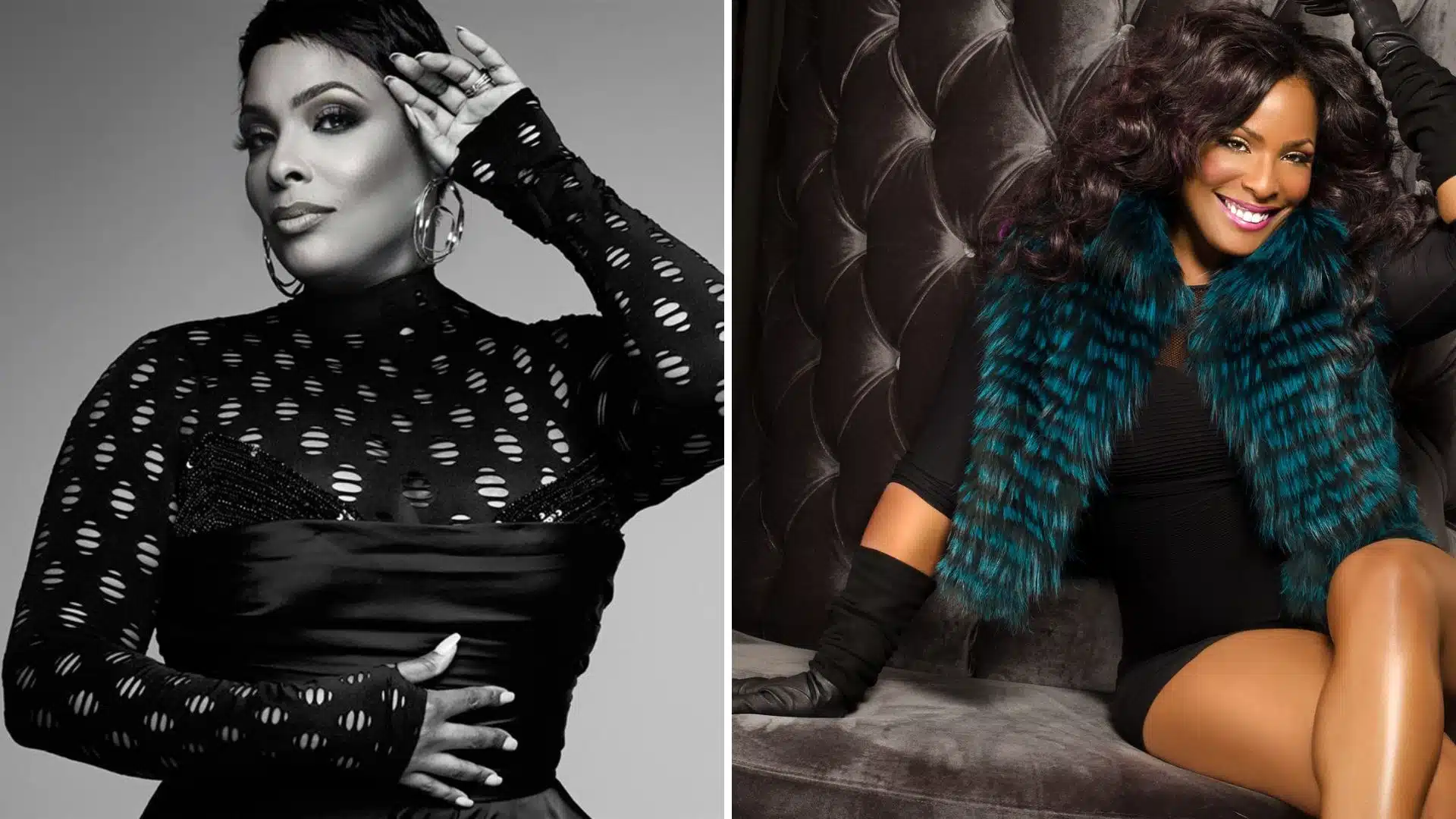
Pioneering icon of hip hop. DJ Spinderella gained fame with Salt-N-Pepa in the ’80s. brought female representation to hip-hop DJing early on.
Her scratching skills and stage presence influenced countless women who followed.
10. DJ Shortee (Turntablist)
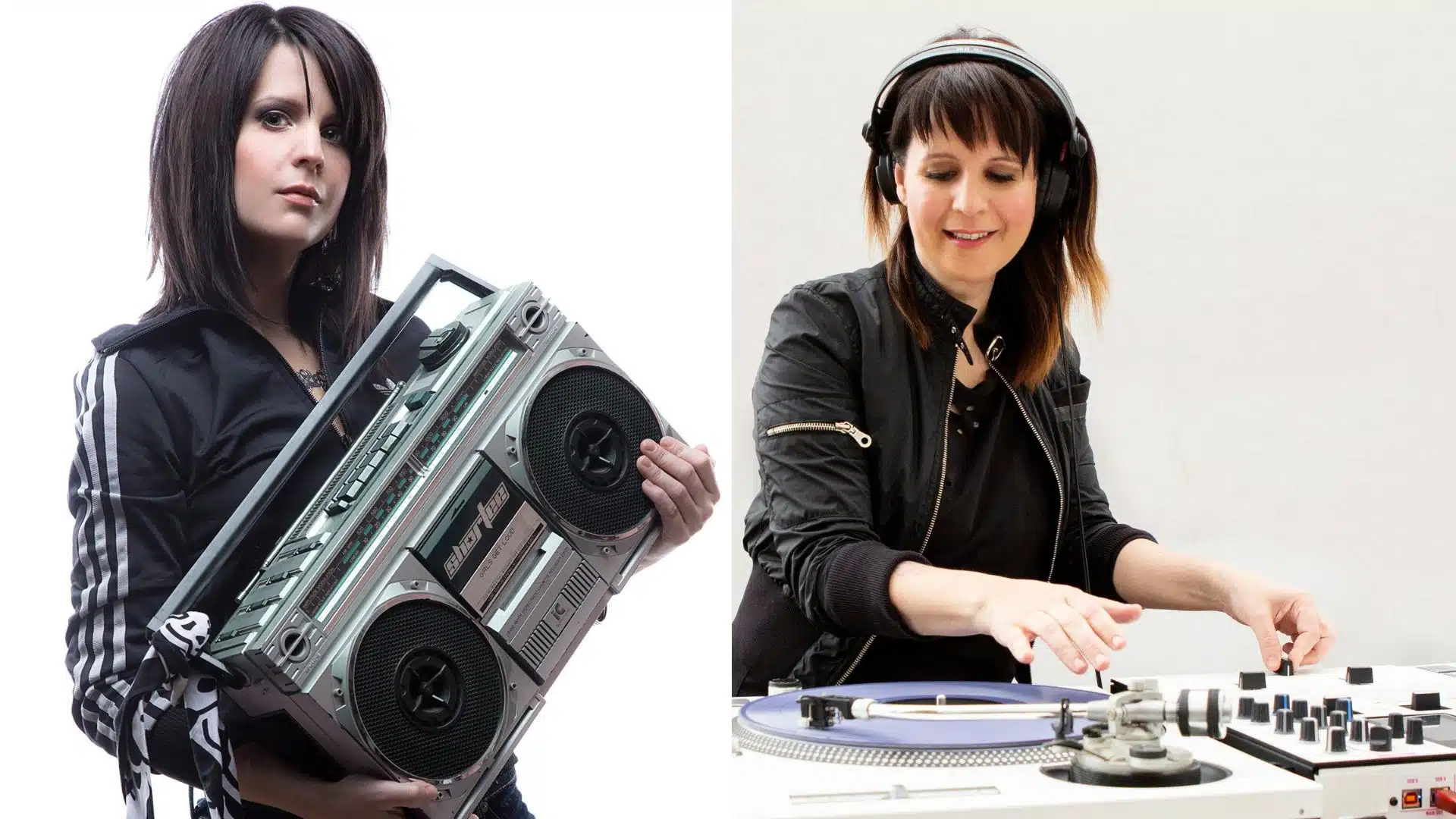
Won international scratching competitions. DJ Shortee regularly competes in the the DMC World DJ Championships. Her technical turntable skills are world-class.
Proves vinyl manipulation is art, not just music playback.
11. DJ Jazzy Joyce (Mobile DJ)
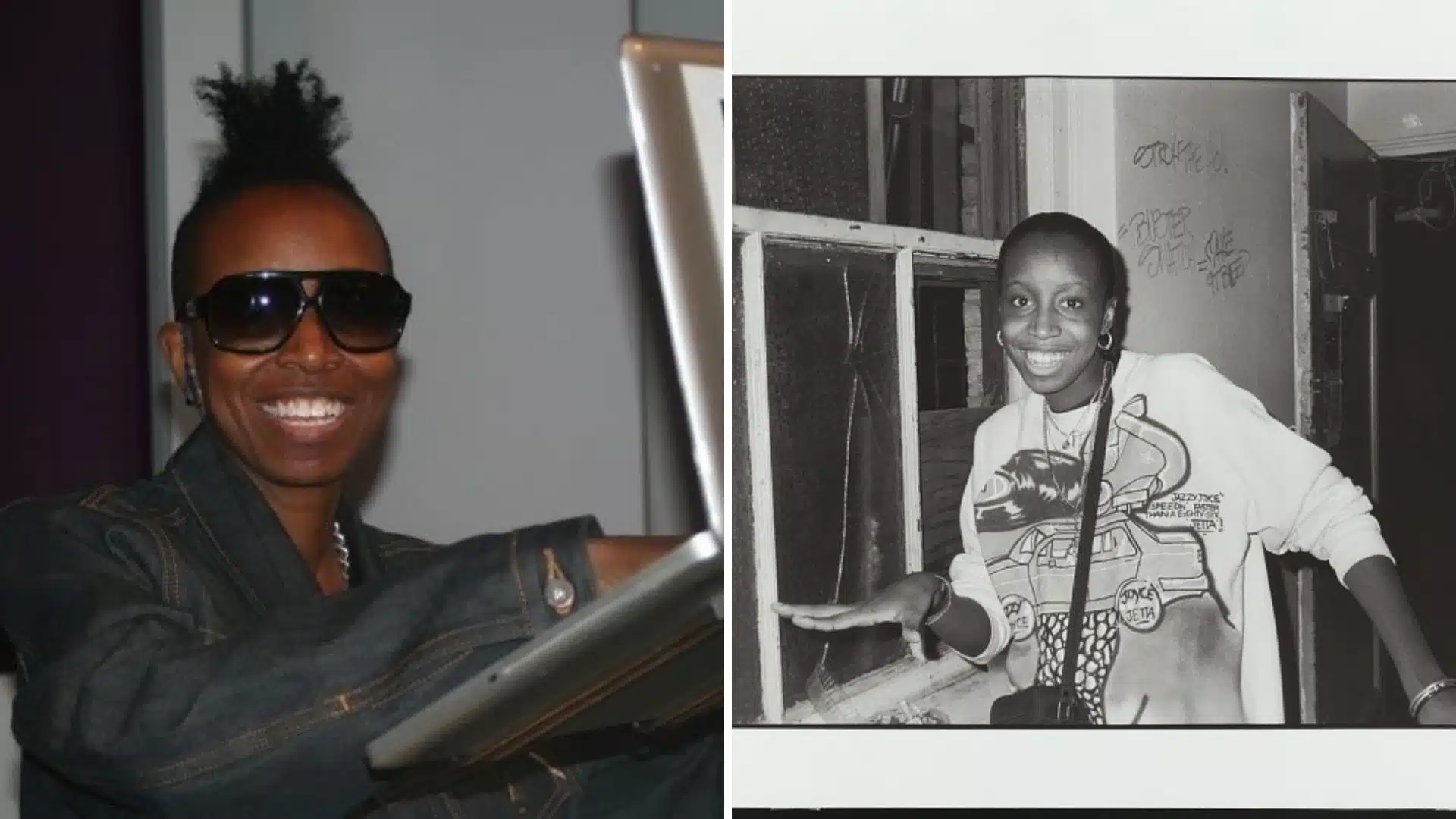
Worked private events for decades. DJ Jazzy Joyce handles weddings, corporate functions, and exclusive parties.
Her professionalism and extensive musical knowledge meet any client request. adapts to any crowd size or demographic effortlessly.
12. Annie Mac (Radio DJ)
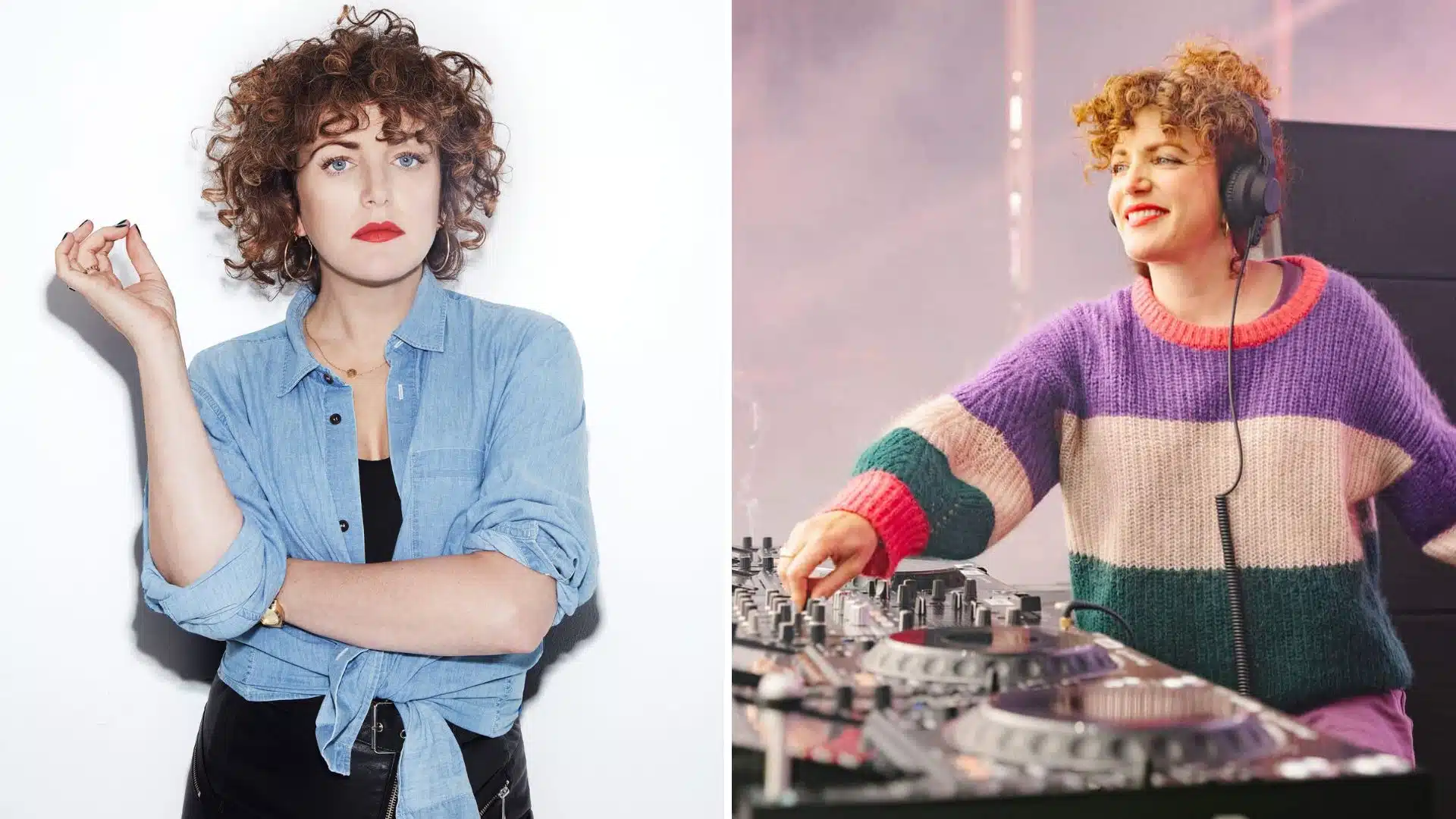
Shaped BBC Radio 1’s sound for years. Annie Mac hosted prime-time radio shows and discovered new talent weekly. Her taste-making influence launched many careers.
Recently left the BBC to focus on independent projects and touring.
13. ANNA (Producer DJ)
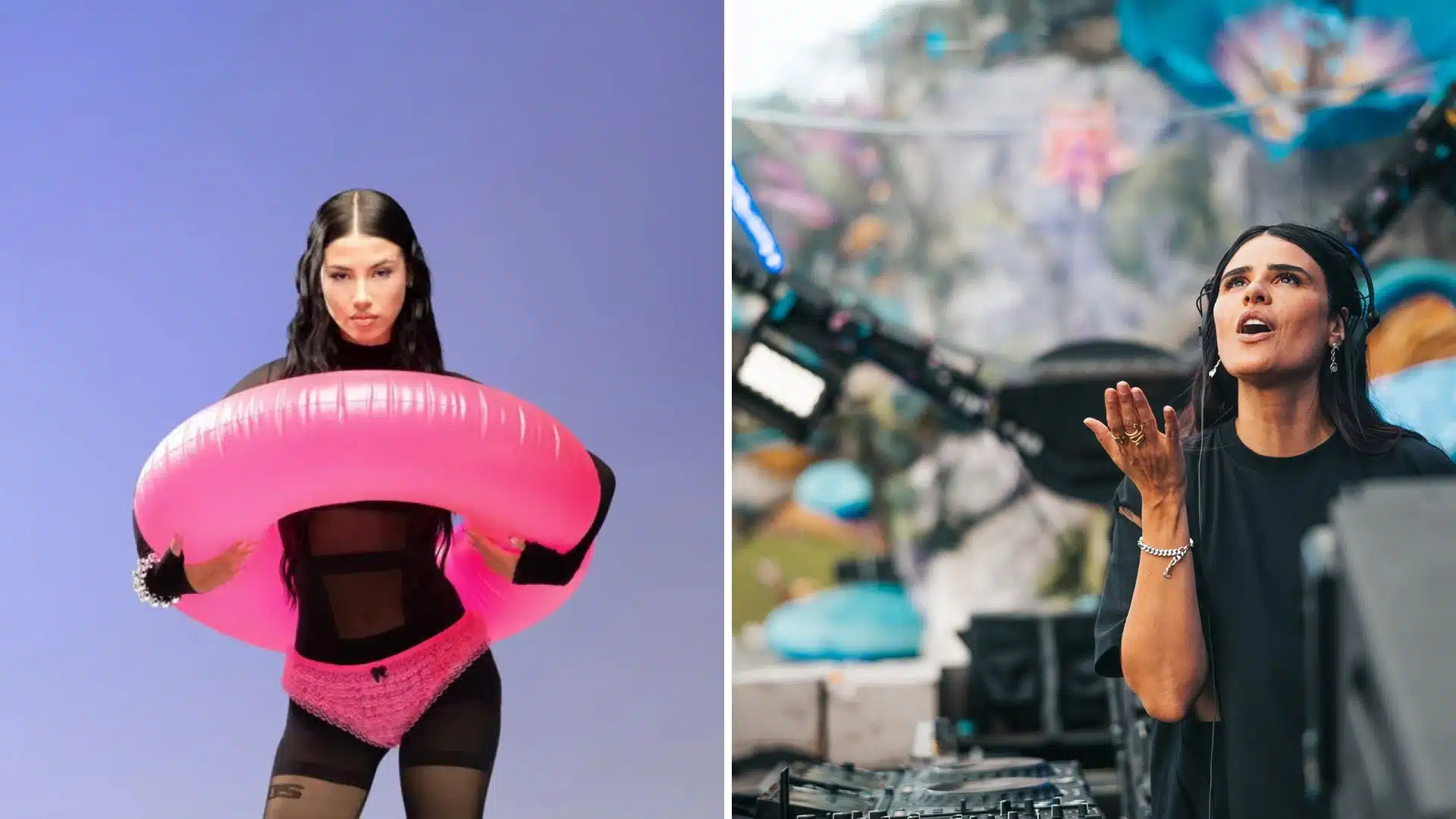
A Brazilian techno powerhouse. ANNA produces hard-hitting techno tracks featured on top labels. performs her own creations live, tweaking sounds mid-set.
Her studio skills and DJ ability complement each other brilliantly.
14. Grimes (Hybrid DJ)
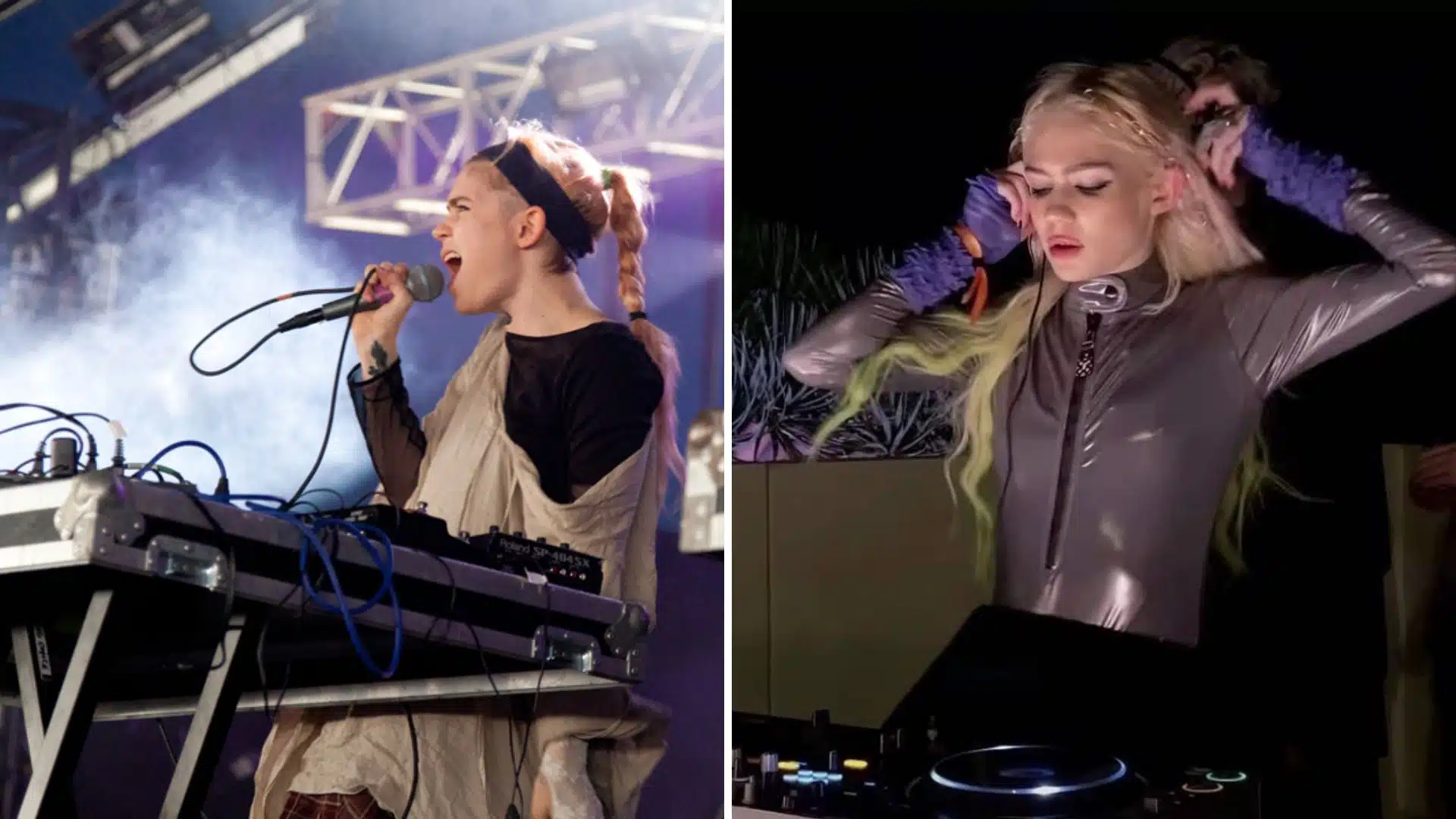
Blurs lines between performance art and DJing. Grimes combines singing, DJing, and visual production into one show.
Her sets feel theatrical, not just musical. uses technology creatively, incorporating live vocals with electronic manipulation.
These 15 women represent the best in their categories. Each carved her own path in a competitive industry.
You’ve seen the different types of female DJs. Now, let’s help you find one that matches your musical tastes and event needs.
How To Choose A Female DJ Based On Music Taste?
Picking the right female DJ depends on your music style and venue. Match your preferences to the right DJ type for the best experience.
Quick Matching Guide:
| Your Music Taste | DJ Type | Best Setting |
|---|---|---|
| Heavy bass, drops | Bass/Dubstep DJ | Festivals, large venues |
| Mainstream hits, sing-alongs | EDM/Open Format DJ | Festivals, clubs, parties |
| Underground, minimal | Techno/House DJ | Intimate clubs, late nights |
| Hip hop, scratching | Hip Hop/Turntablist DJ | Clubs, cultural events |
Watch recorded sets online before attending. Live performances go beyond just mixed tracks.
We’ve covered everything from what a female DJ does to the different types and how to choose one. Let’s wrap this up with some final thoughts.
Conclusion
A female DJ brings skill, creativity, and energy to every performance. From club sets to festival stages, these artists read crowds and create unforgettable experiences.
The DJ world offers incredible variety. Some specialize in underground techno. Others rock mainstream festivals. What matters most is finding the sound that moves you.
Ready to experience a female DJ live? Check out local clubs and upcoming festivals in your area. Watch sets online to find artists who match your vibe. Got a favorite female DJ?
Drop her name in the comments below. Share what makes her sets special. Your recommendation might help someone find their new favorite artist. Keep supporting women in music.
The talent is out there waiting to be heard.
Frequently Asked Questions
What is a female DJ called?
A female DJ is called a “DJ.” The term isn’t gender-specific. Some use “female DJ” or “woman DJ” for clarity, but “DJ” applies to everyone equally.
Is 25 too old to become a DJ?
No, 25 is not too old to become a DJ. Many successful DJs start in their mid-twenties or later, using maturity, consistency, and musical taste to stand out.
Who is the most listened to female DJ?
Jazzy was reported as the most-streamed female DJ in the world, with around 10M monthly listeners on Spotify at the time of the report