
Can’t figure out what to wear over a dress when the temperature drops or the venue changes?
You’re looking at your favorite dress, but it needs something extra. Maybe it’s too cold, too casual, or shows too much skin for the occasion.
The right topper changes everything. A simple jacket, cardigan, or wrap can take that same dress from summer to winter, from daytime coffee to evening event, from casual to clean.
This guide covers exactly what to wear over a dress for every season, occasion, and dress style. You’ll learn practical layering techniques, topper options, and styling tips that actually work in real life.
Why Layer Over a Dress?
Layering changes how you wear your dresses. A single piece can work for multiple seasons and settings with the right topper.
Your favorite summer dress doesn’t have to sit in the closet all winter. Add a cardigan or jacket, and suddenly it works for fall. Throw on a coat, and you’re ready for colder months.
Here’s what layering does:
- Takes a dress from day to night
- Makes seasonal pieces work year-round
- Let’s you rewear the same dress in fresh ways
- Saves money by maximizing your wardrobe
A sleeveless dress from June becomes office-appropriate in December with a blazer. Some venues have strict dress codes. A well-chosen layer solves these problems while keeping your look neat.
Layers add visual interest, too. They create new silhouettes, introduce texture contrast, and let you play with proportions.
Topper Styles: What to Wear Over a Dress?
Choosing the right topper can change a simple dress into a complete, neat look. From structured jackets to flowing wraps, each style brings its own mood and function to your outfit.
1. Jackets & Blazers

Jackets and blazers instantly change a dress’s vibe. They’re the most versatile toppers you can own.
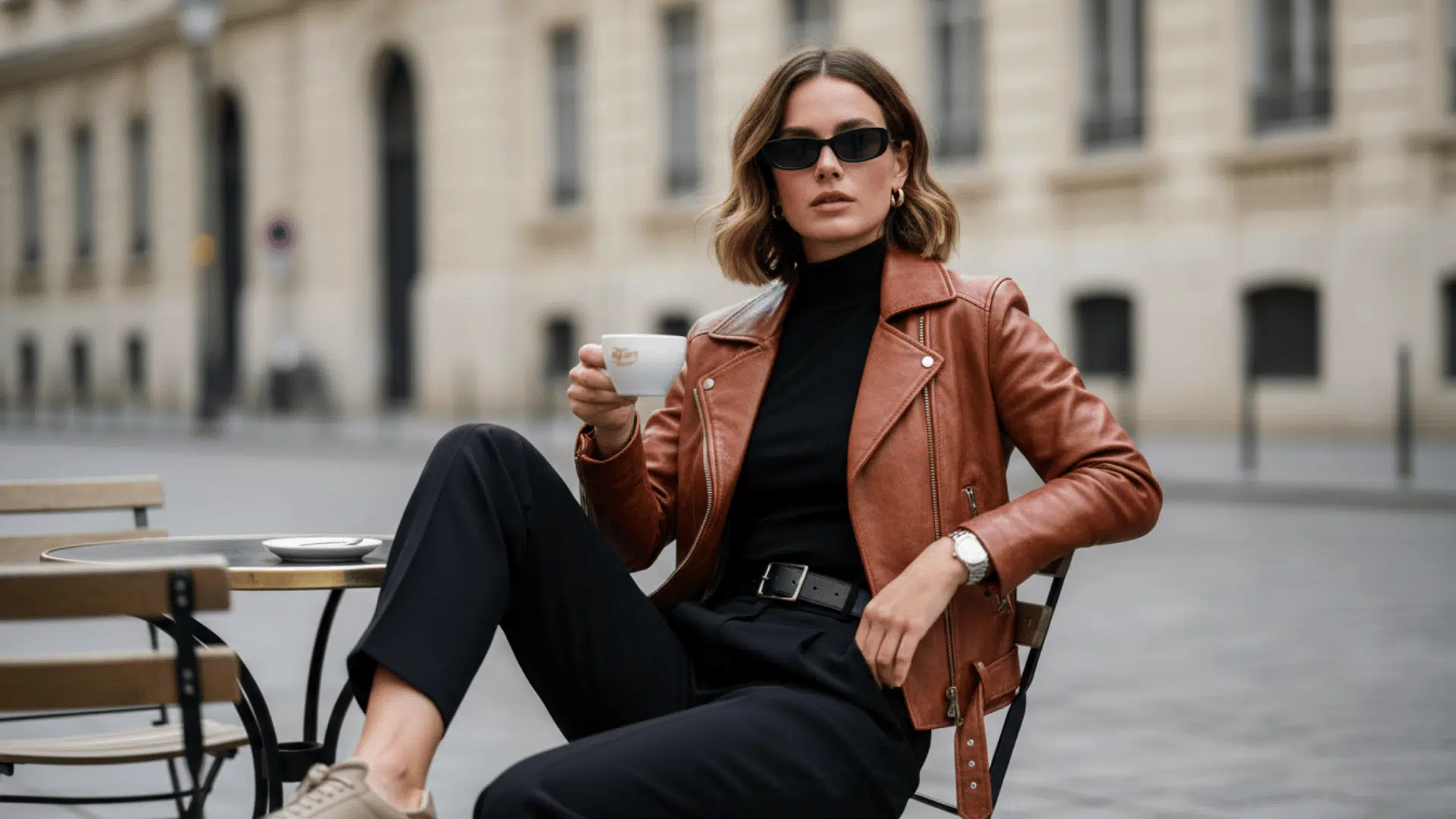
Cropped leather jackets:
- Add edge to feminine dresses
- Works best with fitted or A-line styles
- Create a defined waistline
- Perfect for concerts, date nights, or casual events
- Black is most versatile, but brown and burgundy offer warmth
Tailored blazers:
- Make any dress work-appropriate
- Add structure to flowy dresses
- Make casual dresses look more put-together
- Essential for professional settings
- Choose fitted through the waist for best results
Denim jackets:
- The ultimate casual topper
- Soften formal dresses for daytime
- Works with almost any dress color
- Best with midi and maxi lengths
- Light wash = casual; dark wash = slightly dressier
2. Coats & Outerwear

Coats and outerwear are essential for cold-weather layering. They protect your dress while completing the outfit.
| Coat Type | Best Use | Key Features | Style Tips |
|---|---|---|---|
| Classic Trench Coat | Work, transitional weather | Timeless style; waist tie for shape; works with any dress | Ideal in tan, black, or navy; great for rain or mild cold |
| Wool Coat | Winter layering, formal or casual events | Warm and durable; available in wrap | Camel and gray are the most versatile, perfect for cold climates |
| Faux Fur Coat | Evening outings, parties, weddings | Warm and stylish; adds texture and contrast | Comes in many lengths and colors; instantly enhances simple dresses |
| Teddy Coat | Casual wear, daytime outings | Cozy and soft; made from plush, textured fabric | Best for weekend or everyday looks; pairs well with knit or sweater dresses |
These look great with sweater dresses or casual maxis.
3. Cardigans & Sweaters

Cardigans and sweaters offer the coziest layering options. They work for everything from coffee runs to dinner parties.
Fitted cardigans:
- Hug your body without adding bulk
- Work under blazers or coats
- Best for petite frames
- Good for layering multiple pieces
- Create a neat look
Oversized cardigans:
- Currently on-trend
- Perfect for relaxed weekends
- Add visual interest through draping
- Works best with fitted dresses
- Create a cozy, comfortable feel
Belted cardigans: This styling trick changes everything. Take any open cardigan and add a belt at your natural waist.
4. Shawls, Wraps & Shrugs

Silk shawls: Silk shawls add grace for weddings and formal events. Lightweight and available in subtle colors, they’re perfect for indoor use.
Cashmere wraps: Ideal for outdoor ceremonies, fall and winter events, and upscale gatherings. They offer real warmth and serve as stylish blankets during chilly occasions.
Lace shrugs: Lace shrugs suit vintage-themed events, garden parties, and tea gatherings. They provide modest coverage, often feature short sleeves, and pair perfectly with strapless or sleeveless dresses.
Pashmina wraps: Great for travel, offering versatile coverage at a budget-friendly price. Larger than shawls, they can be styled in multiple ways and are practical for a range of temperatures.
With a knowledge of different topper styles, it’s important to match them thoughtfully to the type of dress you’re wearing. The shape, length, and fabric of your dress should guide the layering piece you choose.
Layering According to Dress Type
Different dress styles need different layering approaches. What works over a slip dress might look odd on a maxi dress.
1. Sleeveless and Strapless Dresses

Sleeveless dresses offer the most layering flexibility. You can add almost any topper without worrying about sleeve clash.
Try these options:
- Fitted blazers for work or formal events
- Cropped jackets that end at your natural waist
- Bolero cardigans for just-enough coverage
- Shrugs for weddings and special occasions
Strapless dresses need strategic layering. The key is to keep the neckline visible or create a new, intentional neckline.
Best choices include:
- Cropped leather jackets
- Sheer shawls draped loosely over shoulders
- Off-shoulder cardigans that echo the strapless line
- Structured jackets left unbuttoned to show the dress
Avoid high-neck layers that completely hide your strapless bodice. You’ll lose the dress’s intended shape.
2. Slip Dresses

Slip dresses are layering champions. Their simple shape works as a base for countless looks.
For casual styling:
- White t-shirt underneath with sneakers
- Oversized sweater over top (let the hem peek out)
- Denim jacket with ankle boots
- Chunky knit cardigan for weekend vibes
For formal occasions:
- Silk blazer in a complementary color
- Cashmere wrap for evening events
- Fitted turtleneck underneath in cooler months
- Tailored coat that skims the body
The slip dress’s thin straps and simple cut mean your layer becomes the statement piece. Choose your topper based on the occasion you’re dressing for.
3. Maxi, Midi, and Mini Dresses

Dress length matters when picking what to wear over a dress.
Maxi dresses:
- Cropped jackets prevent overwhelming your frame
- Belted cardigans define your waist (which long dresses can hide)
- Short blazers create visual breaks
- Avoid long coats that compete with the dress length
Midi dresses:
- Works with hip-length jackets
- Pairs well with knee-length coats
- Good with both cropped and longer toppers
Mini dresses:
- Longer layers create balanced proportions
- Thigh-length cardigans look intentional
- Full-length coats add class
- Short jackets work too, but watch the overall silhouette
A general rule: create contrast. Very long dresses look best with shorter toppers. Shorter dresses can handle longer layers.
4. Embellished and Patterned Dresses

Bold dresses need simple layers. Let the dress be the star. If your dress has:
- Sequins or beading: Choose solid-colored, matte toppers
- Bright patterns: Pick neutral jackets or cardigans
- Texture: Go for smooth fabrics on top
- Multiple colors: Pull one color from the dress for your layer
Once you know how to layer based on the dress silhouette, the next step is adjusting those layers to match the weather. Seasonal changes call for different fabrics, weights, and functions in your toppers.
What to Wear Over a Dress According to the Season?

Layering your outfits by season helps you stay comfortable without sacrificing style. By choosing the right fabrics and pieces, you can adjust your look to match changing weather throughout the year.
| Season | Layer Type | Key Use |
|---|---|---|
| Spring & Summer | Kimonos | Over sundresses, beach, festivals |
| Thin Cardigans | Light coverage, offices, temperature drops | |
| Sheer Wraps | Sun protection, travel, strapless dresses | |
| Fall & Winter | Wool Coats | Casual or dressy outfits, warmth |
| Leather Jackets | For everyday wear, it adds a style contrast | |
| Puffer & Quilted Jackets | Insulated outerwear for cold weather | |
| Shearling & Heavy Knit | Cozy, stylish layers for winter |
Choosing the right layers for each season keeps you comfortable and stylish when you’re facing summer sun or winter chill.
It’s time to see how layering can adapt to different occasions, from casual outings to formal events.
What to Wear Over a Dress According to the Occasion?
Layering adds depth and purpose to your outfit, helping you dress appropriately for any setting. From relaxed outings to formal events, the right outer piece brings everything together.
1. Casual Daytime Outings

Casual occasions let you experiment and prioritize comfort, especially when dressing for laid-back moments that still call for a little style.
For a coffee date or brunch, try a denim jacket layered over a soft jersey midi dress, paired with clean white sneakers; easy, cute, and effortlessly put-together.
For outdoor activities, layer a light fleece vest over a fitted long-sleeve athletic dress, and finish with a baseball cap and sunglasses for sun protection and a sporty edge.
2. Work and Semi-Formal Settings

Professional environments need appropriate layering; your outer piece should look intentional, not like an afterthought.
For business meetings, opt for a fitted blazer that matches or complements your outfit, paired with minimal accessories to keep the focus sharp and professional.
For semi-formal events, layer an elegant shawl over a cocktail dress for warmth without hiding the dress itself.
3. Weddings and Formal Events

Special occasions call for special layers; these pieces should feel like a seamless part of your outfit, adding elegance rather than distraction.
For spring or summer weddings, a chiffon wrap in a soft, coordinating color offers just enough coverage for breezy outdoor ceremonies while still feeling light and romantic.
For fall or winter weddings, a faux fur stole in a rich neutral or jewel tone adds warmth and a touch of vintage glamourwithout overwhelming your look.
Choosing what to wear over a dress can effortlessly uplift your look, be it for casual outings or formal events. By layering thoughtfully, you can stay comfortable, stylish, and perfectly suited to any occasion.
Conclusion
What to wear over a dress comes down to three things: the dress style, the occasion, and the weather.
Start with basics like a black blazer, denim jacket, and neutral cardigan. These three pieces solve most layering needs.
Balance fitted dresses with relaxed toppers, and loose dresses with structured layers. Match your topper to the level of formality you need.
Use neutral colors when you’re unsure. Most importantly, pick layers that make you comfortable and confident.
Try different combinations at home before the actual event. Save the looks that work and skip the ones that don’t feel right. Your best outfit is one you feel great wearing.