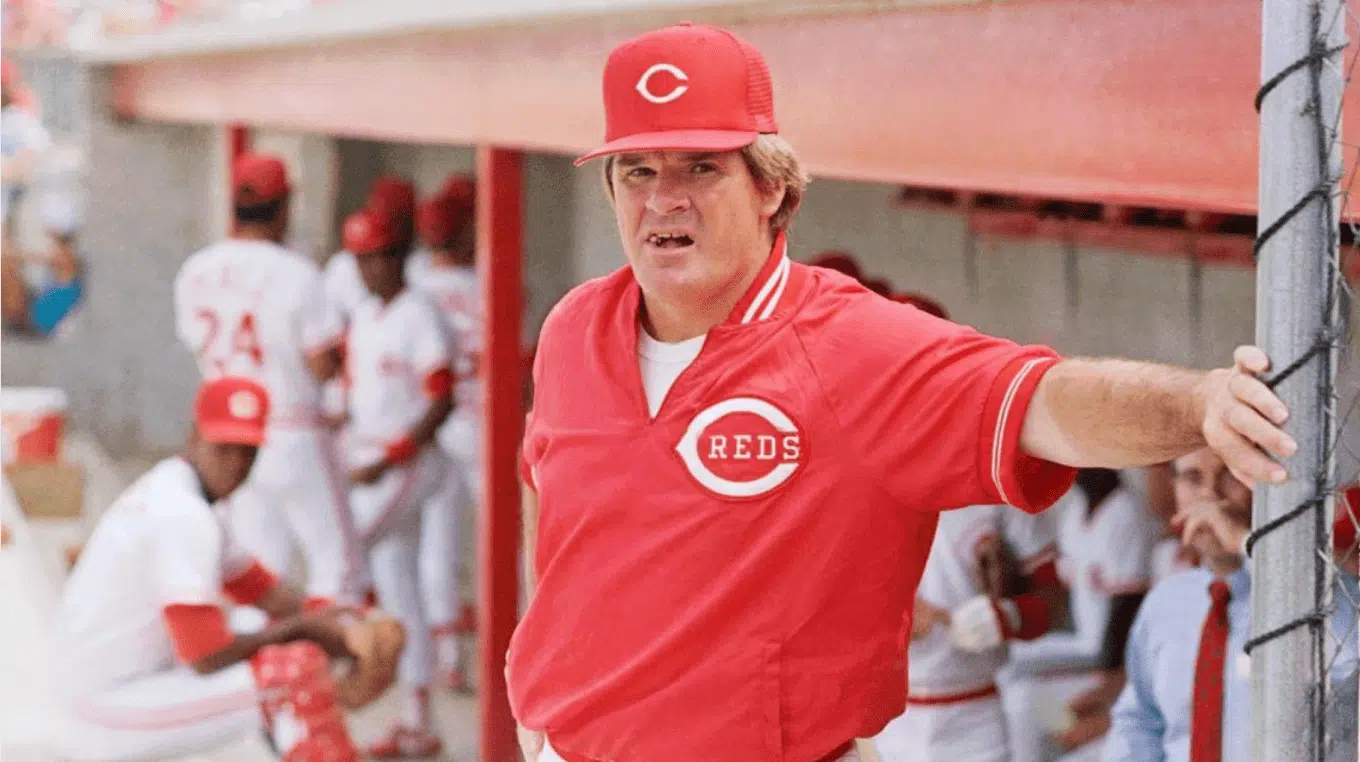
Pete Rose wasn’t just a legend; he was baseball’s pulse, fierce, fearless, and unrelenting.
But beneath the roar of the crowd lay a story few saw coming: how fame, fortune, and flawed choices collided.
His legacy became more than records and headlines; it became a reflection of ambition, consequence, and the steep price of redemption.
In the end, Pete Rose’s net worth told a deeper truth about loyalty, loss, and the cost of chasing greatness.
Pete Rose’s Net Worth at the Time of His Death
At the time of his passing, Pete Rose’s net worth was estimated at around $3 million. Some reports placed it slightly higher or lower, depending on his remaining memorabilia assets and cash reserves.
For a man who once ruled America’s favorite pastime, that figure was a stark reminder of how quickly fortune can fade.
The lifetime ban from Major League Baseball cut off coaching, media, and endorsement opportunities that could have multiplied his wealth many times over.
While several of Rose’s contemporaries accumulated fortunes exceeding $20 million through broadcasting, investments, and business ventures, Rose’s estate remained modest.
His later income relied heavily on autograph signings, memorabilia sales, and fan appearances all dependent on his physical participation.
He owned no major real estate holdings or passive investments. Still, that $3 million represented a personal recovery from years of gambling losses, legal battles, and financial collapse.
In the end, Pete Rose rebuilt part of his legacy not through baseball contracts, but through perseverance and the unwavering loyalty of fans who never stopped believing in “Charlie Hustle.”
The Career That Built a Legend
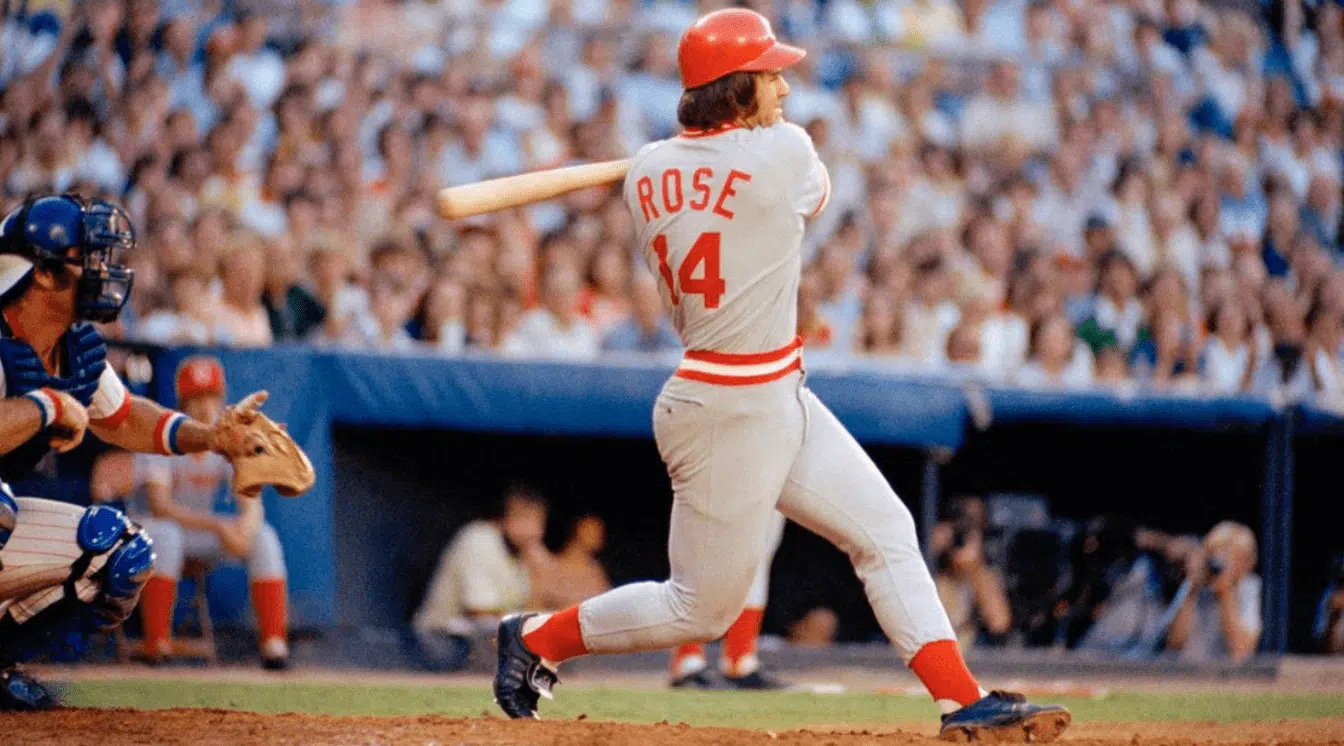
Pete Rose, forever known as “The Hit King”, played professional baseball from 1963 to 1986, spending most of his time with the Cincinnati Reds, along with stints at the Philadelphia Phillies and Montreal Expos.
He was a 17-time All-Star, three-time World Series champion, National League MVP, and the all-time hits leader with 4,256 hits. A record that still stood at the time of his death.
During his career, Rose’s earnings reflected his era, not modern paydays. His peak annual salary reached about $800,000 in the early 1980s. Over 24 seasons, he earned roughly $7–10 million from contracts, endorsements, and appearances.
For comparison, today’s MLB stars earn that much in a few weeks. Rose’s earnings, while solid at the time, did not guarantee long-term wealth.
Fall from Glory: The Ban That Changed Everything

The moment that changed everything came on a summer day in 1989. What followed wasn’t just the end of a baseball career, but the unraveling of a financial empire built over decades.
1. The 1989 Lifetime Ban
On August 24, 1989, MLB Commissioner Bart Giamatti banned Pete Rose for life after an investigation confirmed that he had bet on baseball games, including those involving his own team, the Cincinnati Reds.
The decision ended his career instantly. He lost eligibility for coaching, managing, and any official MLB employment. His Hall of Fame dreams vanished the same day.
So did millions in potential earnings from future baseball contracts, endorsements, and media work.
2. Gambling and Financial Collapse
Rose’s gambling addiction didn’t just end his career. It drained his wealth. Reports indicated he bet as much as $10,000 per day, a habit that consumed much of his income.
Even with his player’s salary and post-career opportunities, the math was impossible to sustain.
3. Legal Trouble and Prison Time
In 1990, Rose pleaded guilty to tax evasion after failing to report income from memorabilia and appearance fees.
He served five months in federal prison, paid large fines, and faced years of back taxes and legal costs that eroded his remaining savings.
4. Lost Endorsements and Opportunities
Once the scandal broke, companies dropped him overnight. He lost sponsorship deals and was shut out of broadcast booths and MLB roles.
While contemporaries like Joe Morgan and Johnny Bench transitioned to well-paid TV careers, Rose’s ban left him with few legitimate income options.
5. Personal and Lifestyle Strain
Off the field, Rose’s personal life was equally expensive. Two divorces, ongoing child support, and a lifestyle that didn’t shrink with his income deepened his money troubles.
By the mid-1990s, his fortune had dwindled dramatically, marking one of the steepest financial declines in sports history.
The combination of these factors created a perfect storm of financial ruin. Within just a few years, Rose went from baseball royalty to a cautionary tale about how quickly wealth can vanish when reputation crumbles.
Rebuilding Through Fame: The Autograph Hustle
Despite his downfall, Pete Rose never disappeared. He turned to what he still had: his name, his legacy, and his fans.
Memorabilia and Autographs
Rose became a fixture on the sports memorabilia circuit. Fans lined up at conventions, card shows, and shops to meet the legend and buy signed items. He charged per signature:
- Baseballs: about $100–150
- Photos: $75–125
- Jerseys or bats: $200–300
A weekend of signings could bring in $20,000–30,000 in gross revenue. Over time, this became his most reliable source of income.
Las Vegas Appearances
For years, Rose maintained a signing residency in Las Vegas, where fans could meet him daily. These steady appearances provided a consistent income stream, even as age slowed him down.
Books and Media
Rose published several books, most notably My Prison Without Bars, his candid autobiography detailing the gambling scandal.
He made occasional television appearances and reality show cameos, which offered short bursts of income and kept his public profile alive.
The Limits of His Model
Still, Rose’s financial recovery was limited. His income was active, not passive. He had to work for every dollar. Unlike athletes who invested in businesses or real estate, Rose relied on physical appearances and fan demand.
It was survival, not prosperity. Rose had found a way to stay afloat, but the hustle never stopped, and the fortune never returned.
Pete Rose Jr: A Different Financial Story
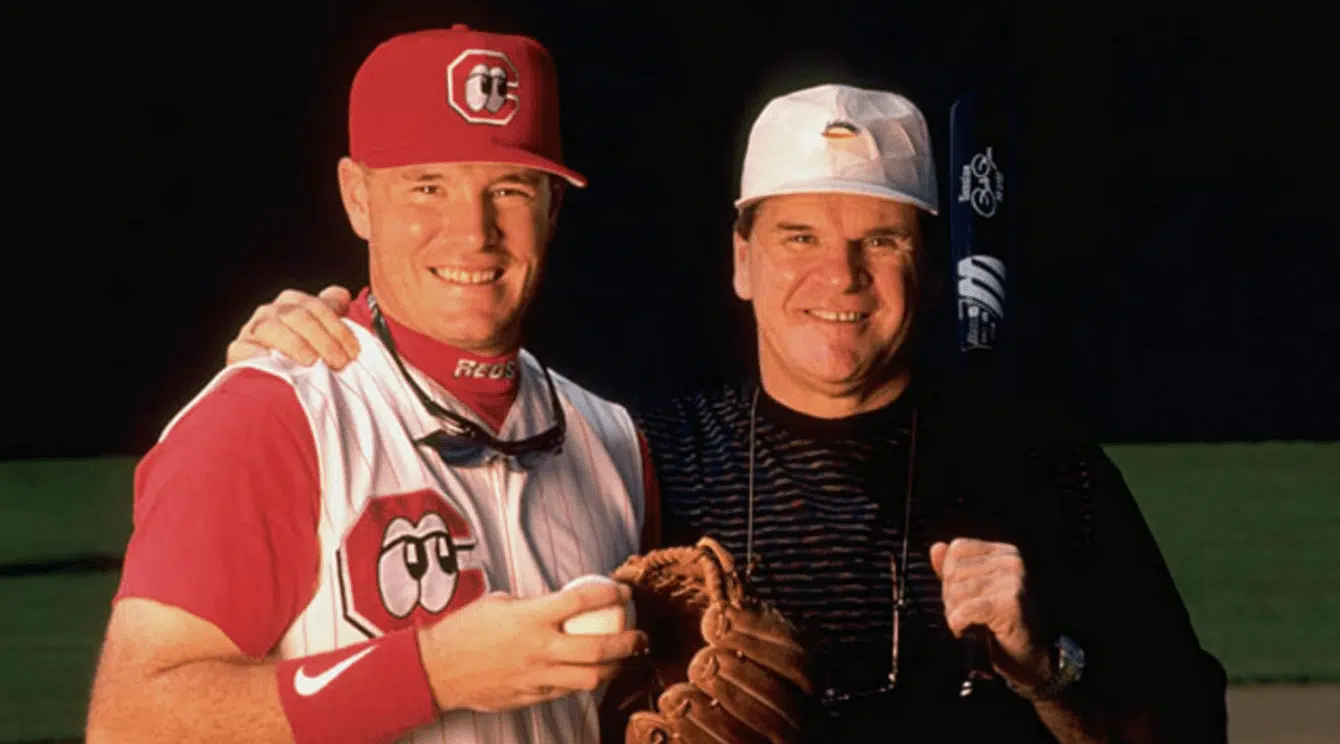
Pete Rose Jr. followed in his father’s footsteps but chose a quieter, steadier path. He made a brief appearance in the majors with the Cincinnati Reds, then spent many years in the minor leagues before moving into coaching.
While his playing career never reached the same heights as his father’s, his financial path was far more stable. Reports estimated Pete Rose Jr.’s net worth at around $5 million, a reasonable figure built over decades of consistent coaching income.
Unlike his father, he avoided scandal, lived modestly, and invested wisely. His lifestyle reflected caution rather than extravagance, emphasizing steady progress over risk.
In the end, Pete Rose Jr.’s story stood as a quiet counterpoint to his father’s, a reminder that stability, integrity, and smart financial choices often outlast fame and fortune.
Lessons from the Rose Legacy
Pete Rose’s financial path offered lessons that extended beyond baseball:
- Talent and fame weren’t enough: Even the greatest hitter in baseball couldn’t out-earn bad habits and scandal.
- Reputation shaped opportunity: Once tarnished, he lost millions in jobs and sponsorships.
- Active income has limits: Without investments or passive revenue, he had to keep hustling well into his later years.
- Financial literacy mattered: Mismanaging money and taxes turned success into a struggle.
- Consistency beats drama: His son’s modest but stable wealth proved that patience and prudence often win in the long run.
These lessons apply to anyone building wealth, whether in sports, business, or life. Success on the field doesn’t guarantee financial security off it.
Conclusion
At the time of his death, Pete Rose’s financial standing was roughly $3 million, far below the fortune he could have amassed. His life told a story of unmatched drive, undeniable talent, and costly decisions.
Even after losing it all, Rose’s resilience allowed him to rebuild a modest living through sheer determination and fan loyalty.
Meanwhile, Pete Rose Jr. showed that avoiding controversy and focusing on steady work could lead to a more secure financial future.
Together, their legacies illustrated a timeless truth: reputation and discipline are worth more than fame.
Pete Rose’s records may never be broken, but his story remains one of the most powerful lessons in how success, if not guarded carefully, can slip away just as fast as it’s earned.