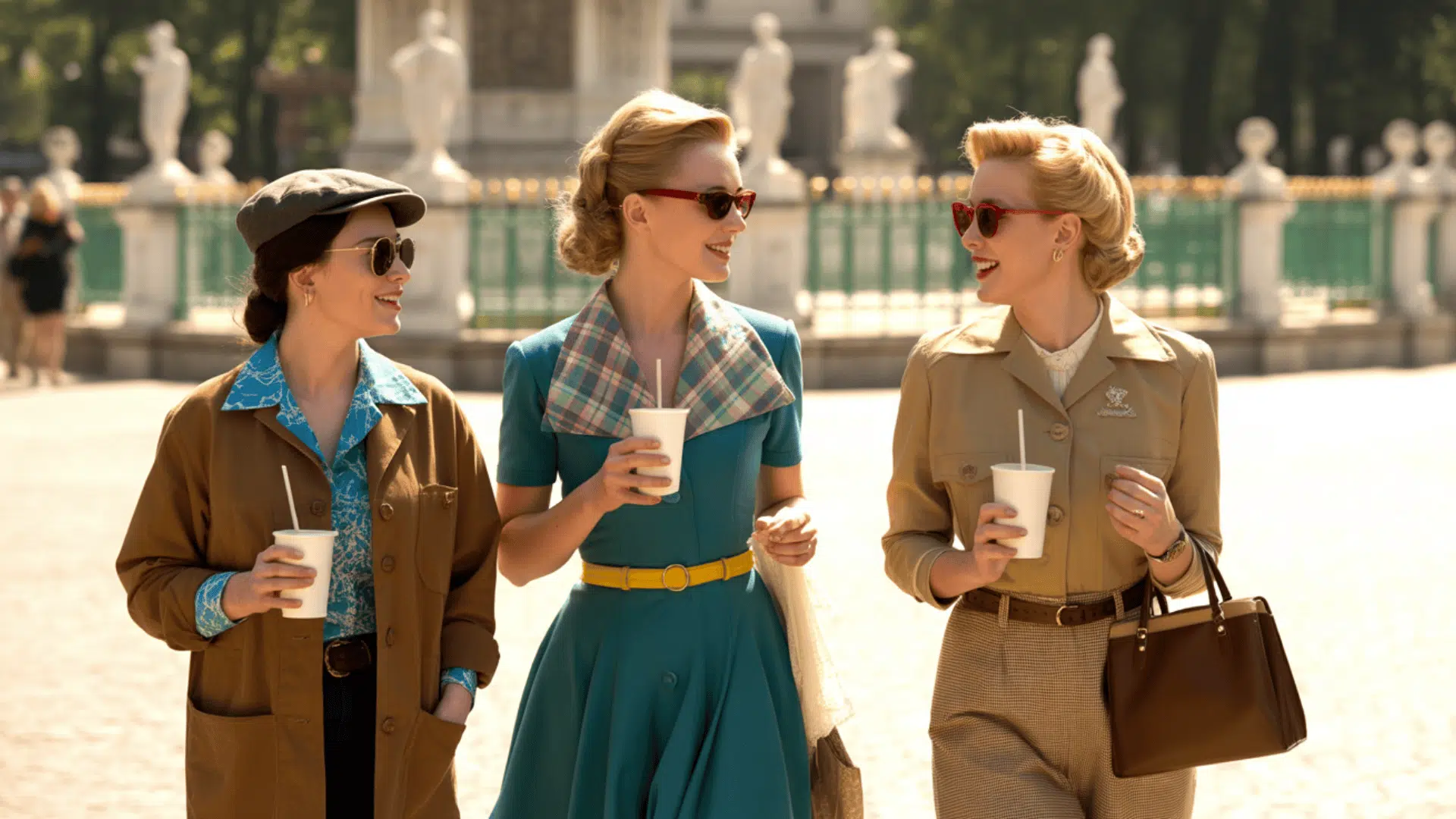
Old styles are everywhere again. From the 1970s, flowing dresses on high-end runways to teenagers bringing back early 2000s looks, retro fashion is taking over.
Why is this happening?
People want something different from cheap, mass-produced clothes. They’re looking for unique styles that feel personal and remind them of better times.
The vintage clothing market is expected to grow 73% over the next year, and the #nostalgia hashtag on TikTok has nearly 100 billion views.
This guide will show you how to add retro pieces to your wardrobe, from the basics to recreating famous looks from the past.
What is Retro Fashion?
Retro fashion refers to new, modern clothing designed to copy or bring back styles from the past. The styles usually come from the 1950s through the 1990s. The word “retro” comes from Latin and means “backwards.“
The biggest difference between retro and vintage is simple. Vintage clothing means real, authentic pieces that are between 20 and 100 years old.
Retro means new clothes made today that look like old styles. For example, a dress made now with 1960s-style patterns is retro. An actual dress from the 1960s is vintage.
Why do old styles keep coming back? Fashion experts talk about the “20-year rule.” This theory says styles return about 20 years after they were first popular.
At 10 years, trends feel too recent. At 30 years, they feel too old. Twenty years hits the sweet spot where people feel nostalgic.
But now this cycle is moving faster than ever. People on social media are already feeling nostalgic for styles from just 10 years ago.
Key Retro Fashion Trends to Know
Right now, several decades are making big comebacks in fashion. From the free-spirited 1970s to the bold 1980s and rebellious 1990s, each era brings its own unique style to modern wardrobes. Here’s what’s trending and how to recognize each look.
1. 1970s Bohemian Style
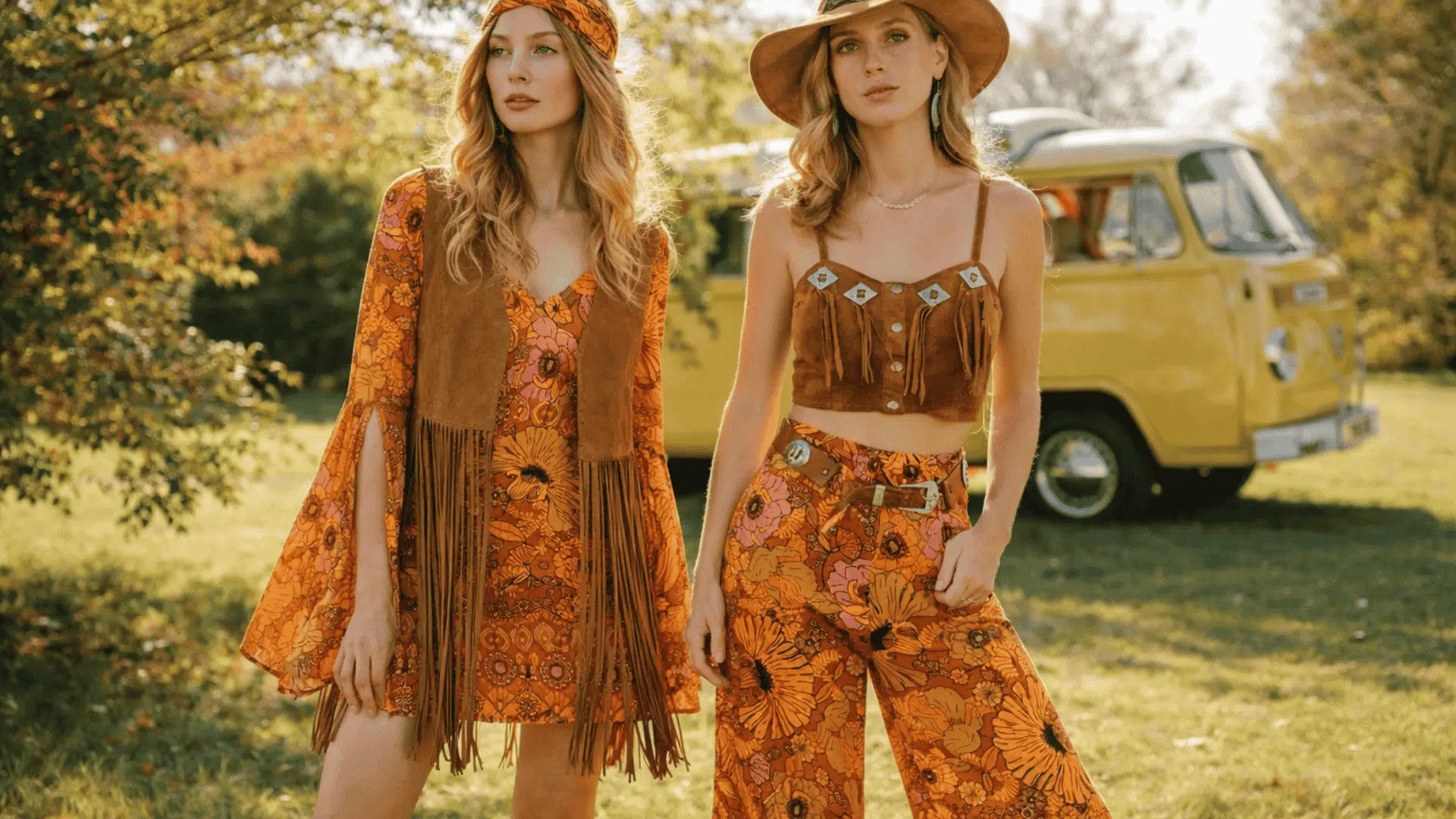
The 1970s bohemian style is the biggest retro trend right now on runways. Major fashion houses are showing fluid, flowing dresses that recall the decade’s free-spirited vibe.
Key items include:
- Suede jackets with fringe details
- Flared jeans in high-waisted cuts
- Crochet tops and vests
- Flowing maxi dresses
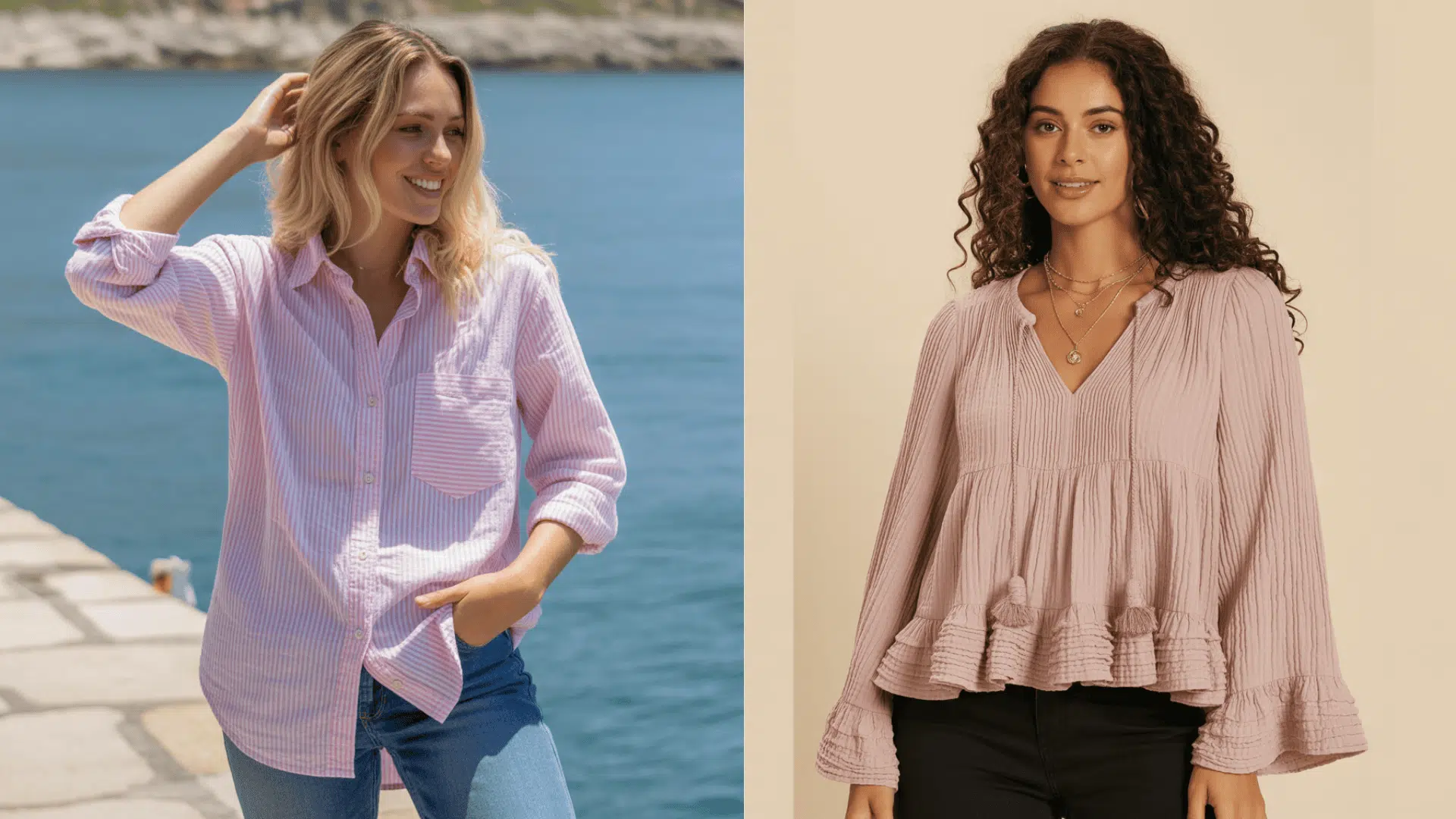
- Peasant blouses with bell sleeves
- Colors: burnt orange, mustard yellow, olive green
2. 1980s Power Dressing
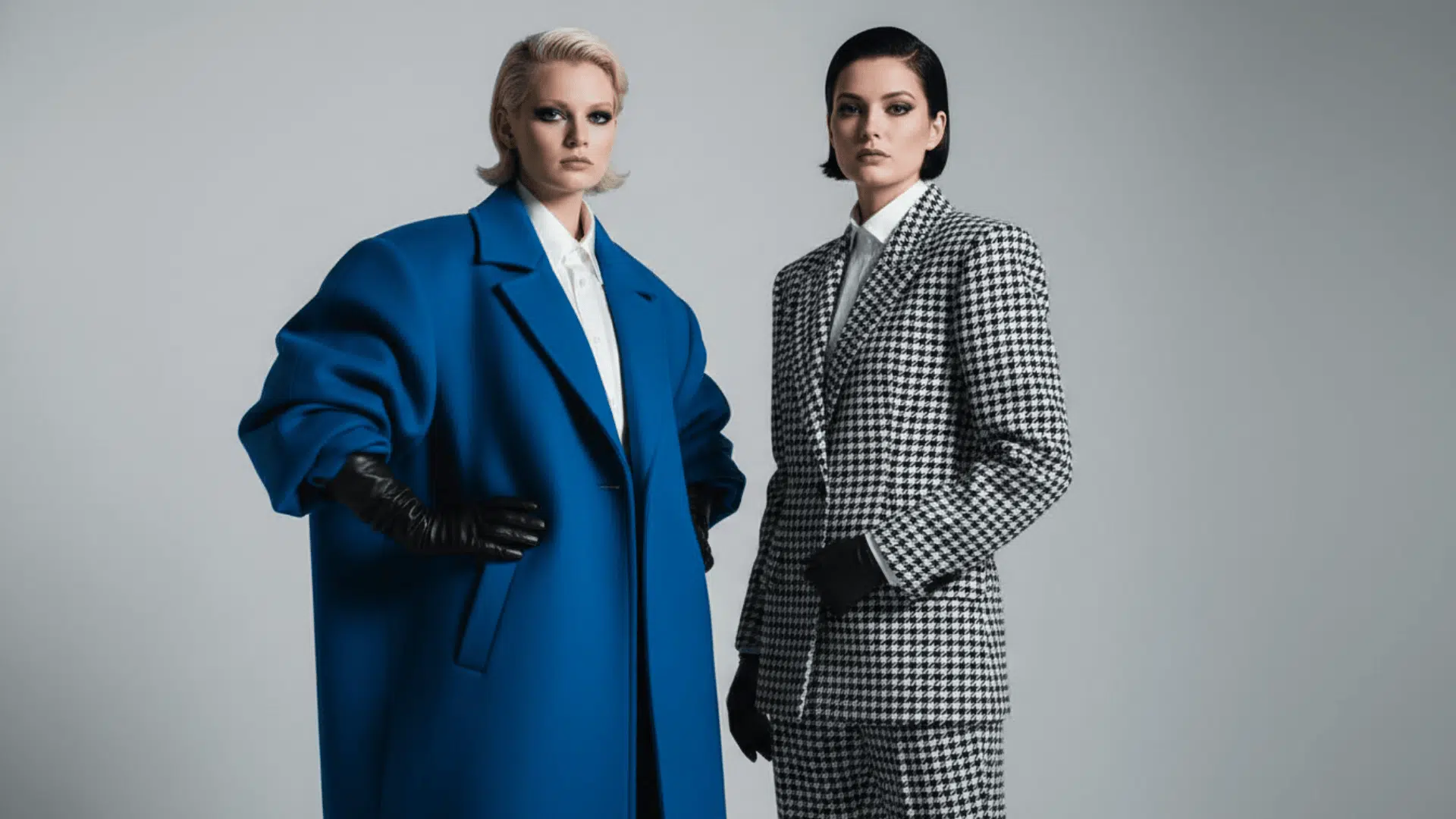
Running alongside this is the return of 1980s bold styles and power dressing. Designers are bringing back broad shoulders, bright color-blocking, and shiny metallic fabrics.
Key items include:
- Oversized blazers with structured shoulders
- High-waisted tapered trousers
- Shiny metallic fabrics
- Bright color-blocked pieces
- Statement shoulder pads
3. Early 2000s and 1990s Grunge
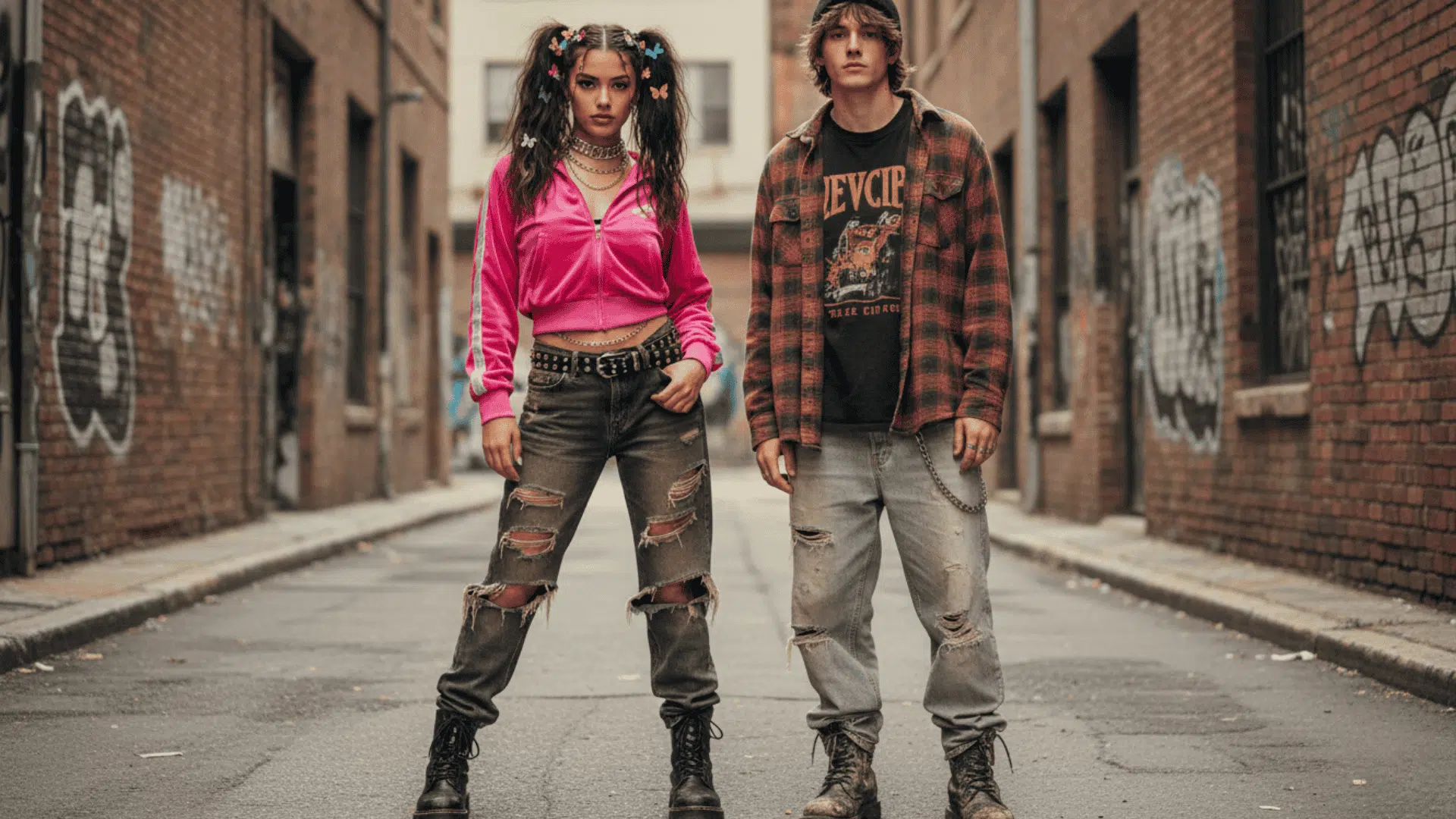
The early 2000s look, driven mostly by younger generations and social media, continues to stay visible. Low-rise jeans, butterfly clips, velour tracksuits, and metallic fabrics are still around, though some experts say this trend may be slowing down.
Meanwhile, the 1990s simple styles and grunge kept a steady influence, with punk and rock-and-roll touches gaining ground.
Key items include:
- Flannel shirts (1990s grunge)
- Ripped jeans
- Layered band tees
- Combat boots
- Low-rise jeans (early 2000s)
- Velour tracksuits (early 2000s)
- Butterfly clips
4. Accessories and Footwear
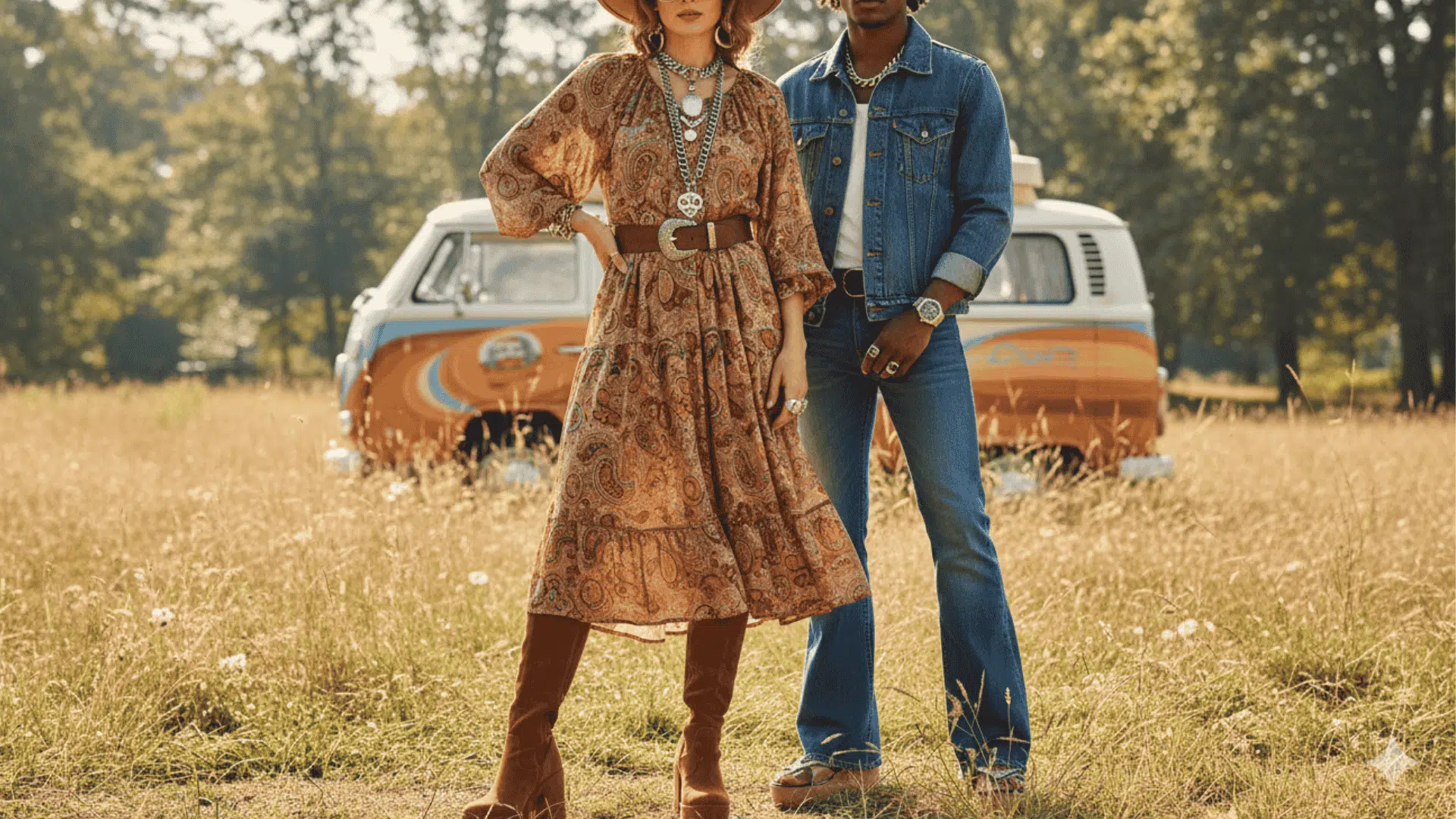
The finishing touches matter just as much as the main pieces.
Key accessories include:
- Chunky silver jewelry
- Wide leather belts
- Oversized sunglasses
- Statement earrings
- Platform shoes (boots and sandals)
- Wide-brimmed hats (1970s)
Now that you know which trends are hot, let’s look at how to put together complete outfits that capture the spirit of each era.
Retro Fashion Lookbook: 5 Iconic Outfits You Need to Try
Knowing the trends is one thing, but putting together a complete look is where the magic happens. These five outfits give you a starting point for each major retro era. Mix and match pieces to create your own version.
1. 70s Boho Vibes
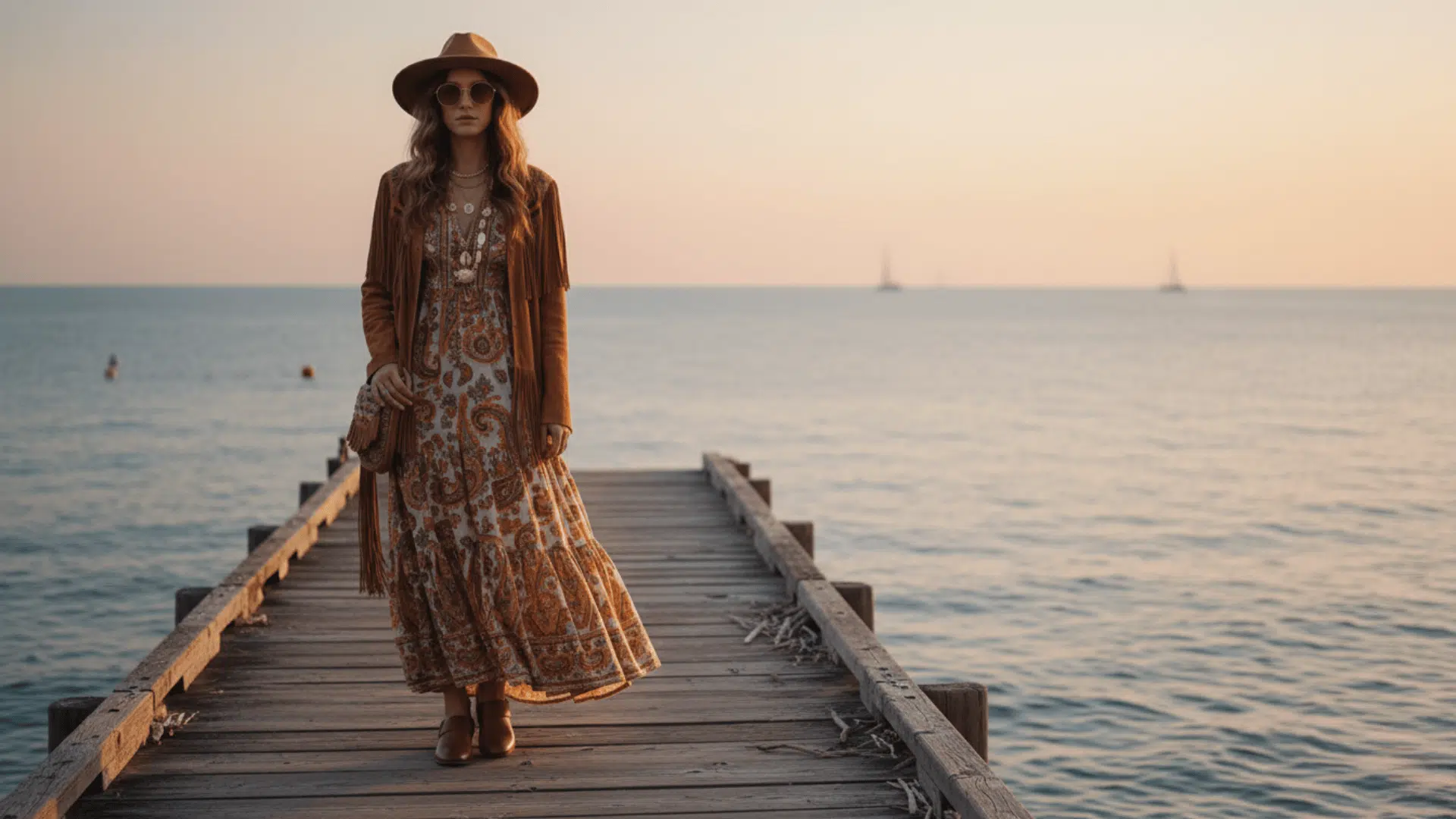
Channel the free-spirited 1970s with flowing layers and earthy colors. This look is all about comfort and natural fabrics.
The outfit:
- Flowy maxi dress in paisley or floral prints
- Crochet vest or fringed suede jacket layered on top
- Platform sandals or wooden-sole clogs
- Layered gold necklaces
- Oversized round sunglasses
- Floppy wide-brimmed hat
Color palette: burnt orange, rust, mustard yellow, olive green, cream
For a casual version, pair a billowy peasant blouse with bell sleeves tucked into high-waisted flared jeans and suede ankle boots. Natural fabrics like cotton, linen, and hemp work best. Add embroidery details for extra authenticity.
2. 80s Power Suit
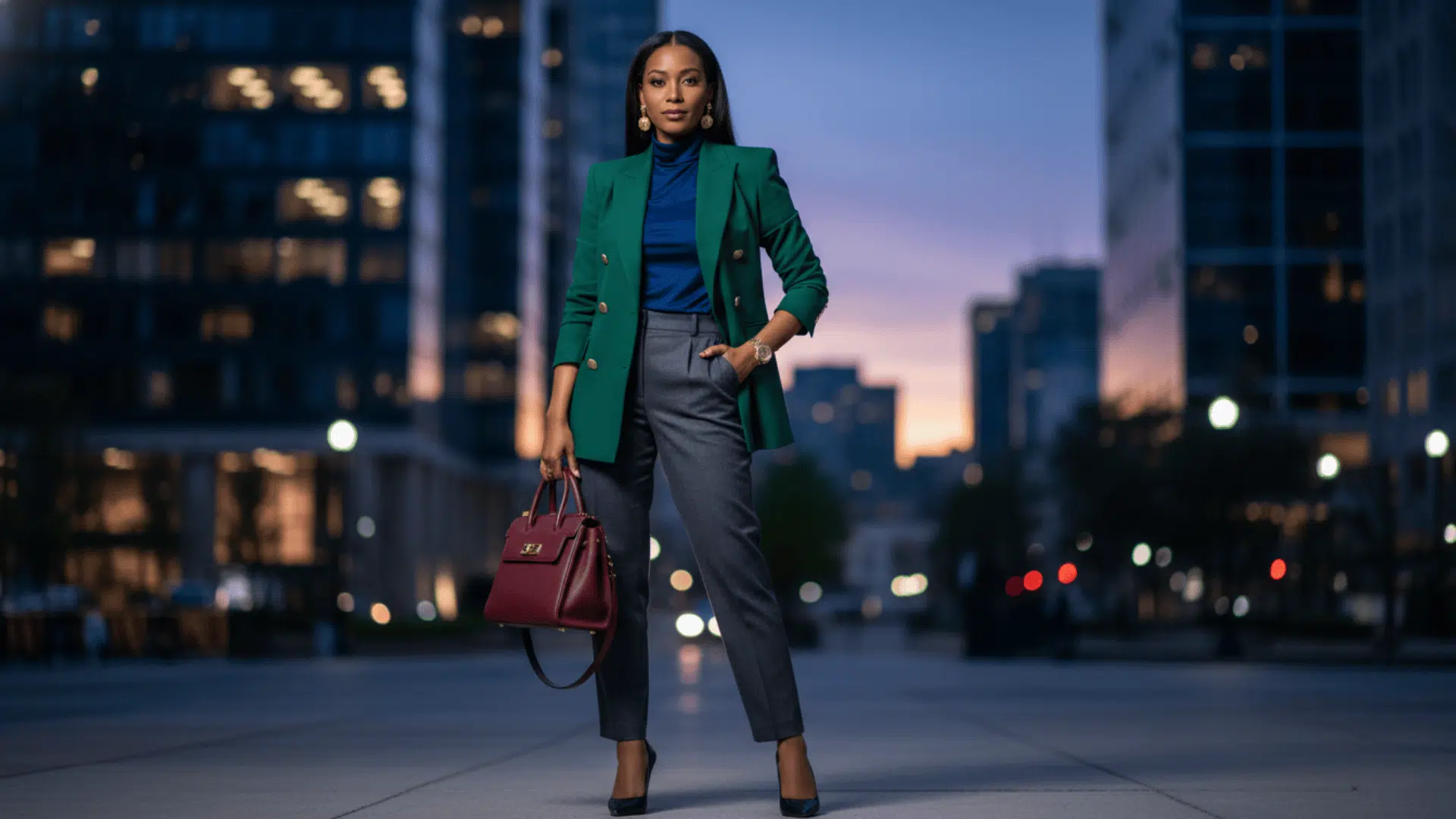
This look brings confidence and structure. Think strong shoulders and bold choices that command attention.
The outfit:
- Tailored double-breasted blazer with shoulder padding
- High-waisted tapered trousers
- Silk blouse or fitted turtleneck underneath
- Pointed-toe pumps or sleek loafers
- Large gold button earrings
- Statement watch
- Structured leather handbag
Color palette: jewel tones like emerald, sapphire, burgundy against charcoal gray or navy
The modern key: keep shoulder padding present but not extreme. Pair oversized blazers with fitted bottoms to balance the look and avoid looking outdated.
3. 90s Grunge
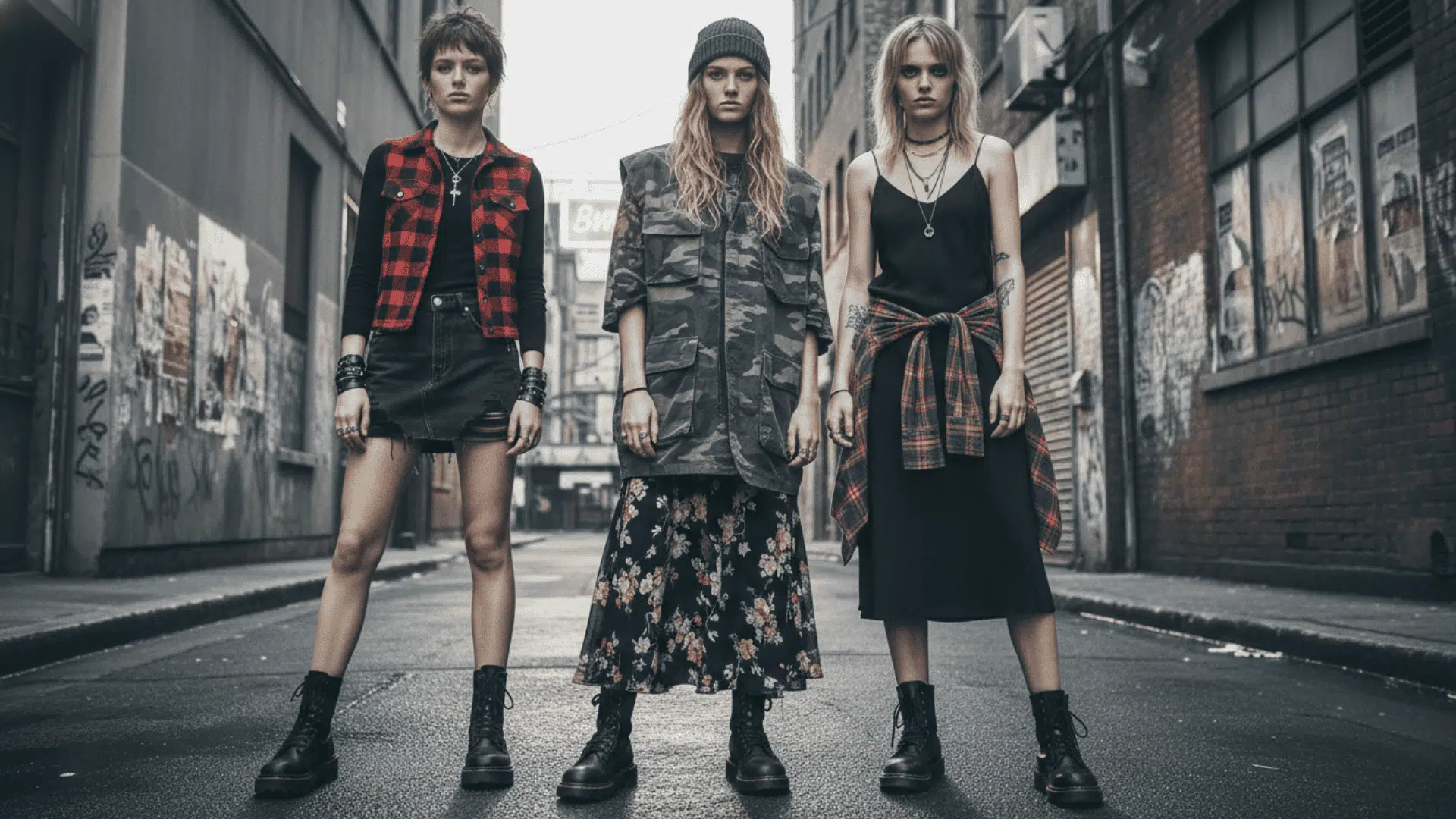
The anti-fashion movement that defined a generation. This look celebrates thrift-store finds and a “I don’t care” attitude.
The outfit:
- Oversized flannel shirt in red, green, or brown plaid
- Band t-shirt layered underneath
- Ripped or faded jeans in relaxed fits
- Dr. Martens combat boots
- Beanie
- Choker necklace
- Studded belt
For a feminine take, try a satin slip dress with flannel tied around the waist, combat boots, and fishnet tights. The key is embracing messiness and worn-in textures over anything that looks too new or perfect. Smudged dark eyeliner completes the effect.
4. 60s Mod Style
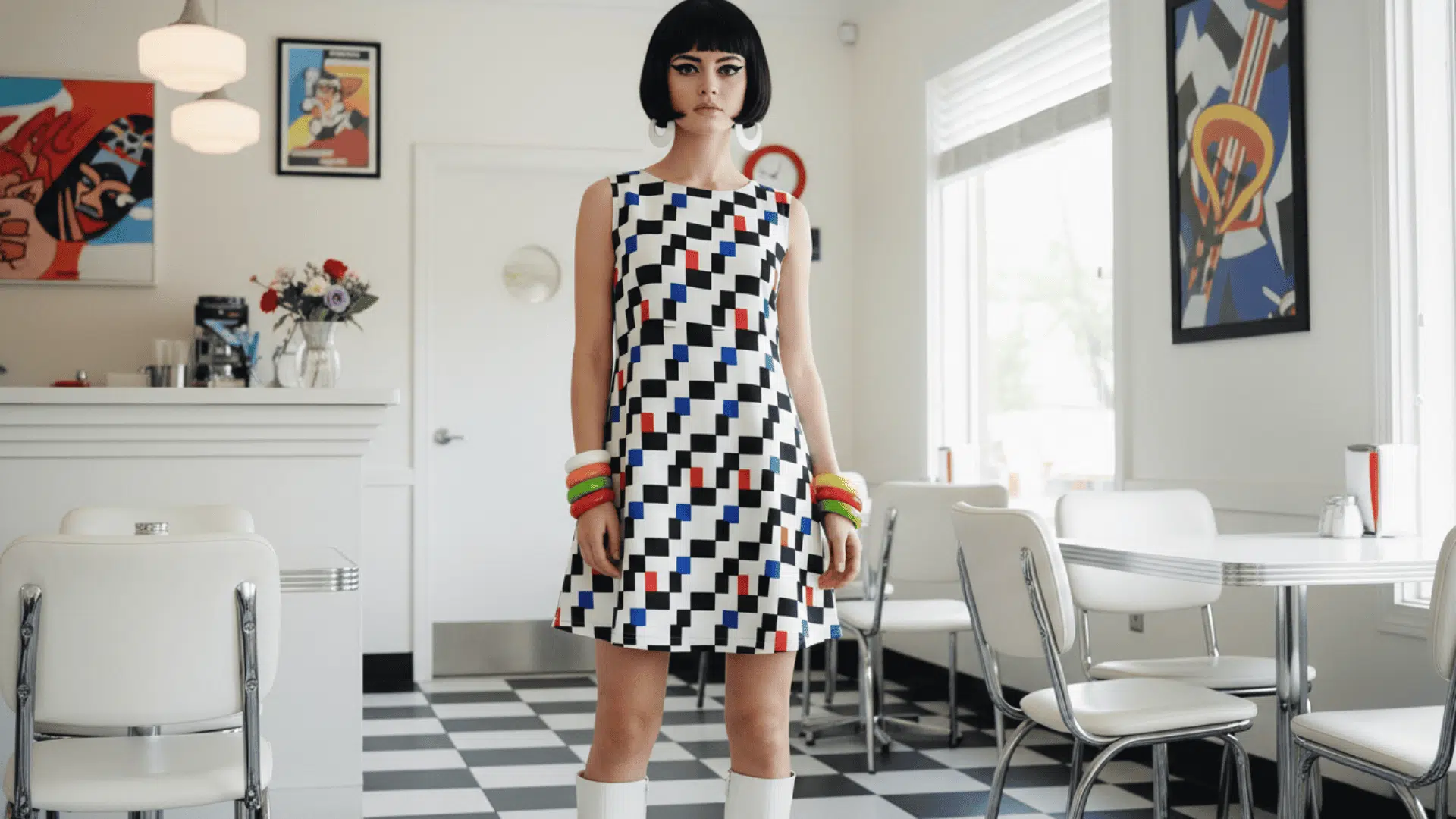
Clean lines, bold patterns, and youthful energy define this look. It translates surprisingly well to modern life.
The outfit:
- Bold geometric-print A-line shift dress hitting above the knee
- Patent leather go-go boots or white ankle boots
- Large plastic round earrings
- Colorful bangles
- Sleek blunt bob hairstyle (or adapted to your hair length)
Color palette: black and white patterns or primary color blocks
Makeup approach: heavy mascara, bold eyeliner all around the eye, pale or nude lips. The graphic quality of the era should show in every detail.
5. 70s Disco Glam
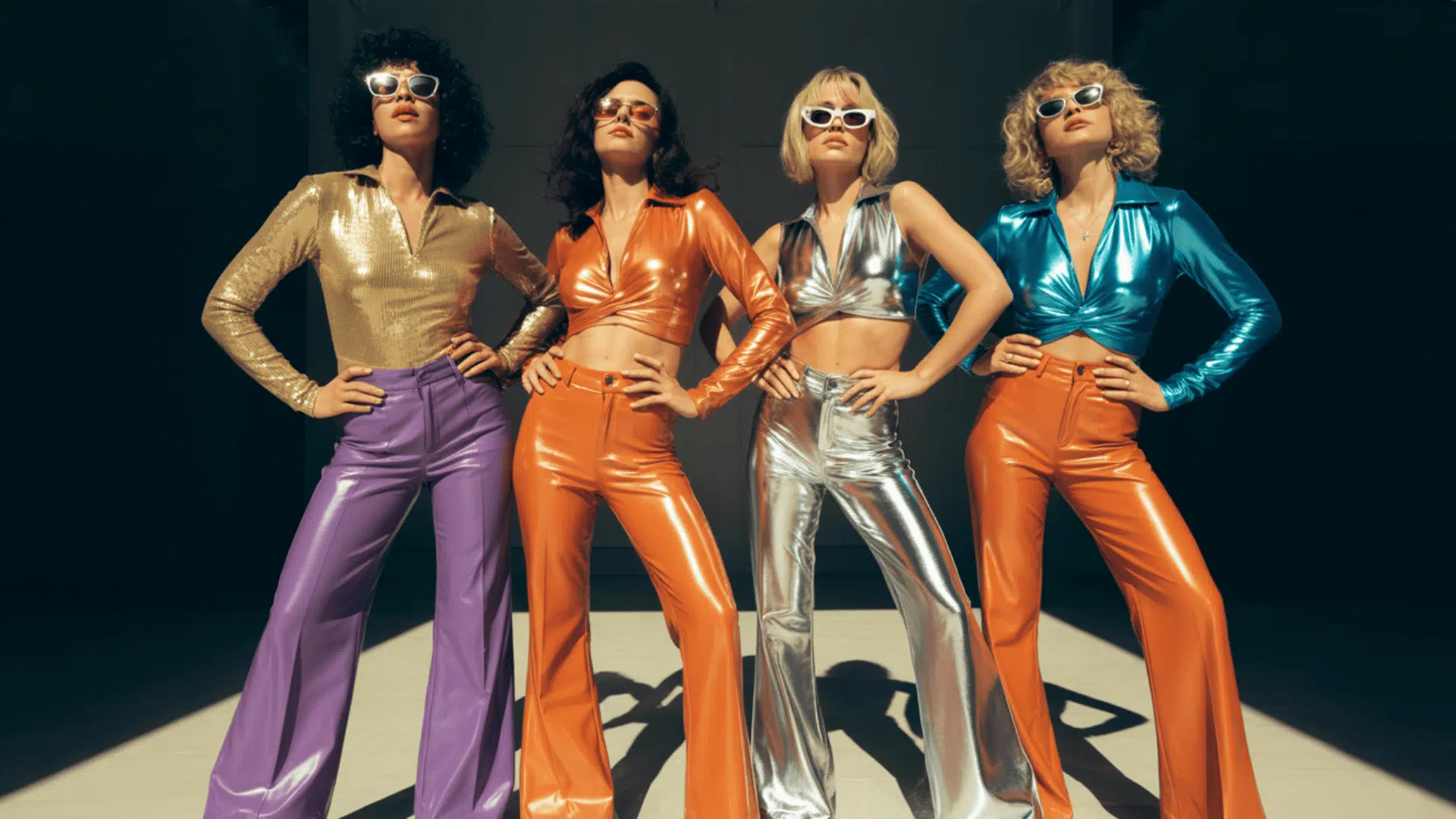
Maximum glamour for evening impact. This look is about celebration and standing out.
The outfit:
- Sequin maxi dress with plunging V-neckline or halter styling
- Towering platform heels or strappy metallic sandals
- Long chandelier earrings
- Chunky gold bracelets and statement rings
- Faux fur wrap or feather boa (optional)
Color palette: gold, silver, rich jewel tones
For a more wearable version, pair a sequin V-neck top with high-waisted flared jeans and mid-height platform sandals. Let one sparkling piece be the star while keeping everything else simple.
Ready to see how these pieces work in your existing closet? The next section shows you how to blend retro with what you already own.
How to Incorporate Retro Fashion into Your Wardrobe?
The secret to wearing retro fashion without looking like you’re in costume is balance. Mix one or two retro pieces with modern basics to create fresh, wearable outfits.
- Start with One Statement Piece: Introduce one vintage-inspired piece at a time. A 1970s blouse becomes modern when paired with current trousers. A vintage skirt gains fresh appeal with a fitted basic tee.
- Balance Vintage with Modern: Oversized blazers work best over fitted t-shirts with slim trousers. Loud vintage prints need solid-colored modern pieces. Big vintage jackets need fitted basics underneath.
- Pair 1970s Boho Pieces: Match with clean white tees, slim jeans, leather crossbody bags, and minimalist sandals.
- Pair 1980s Power Suits: Match with fitted t-shirts, modern pointed-toe shoes, and sleek minimal accessories.
- Pair 1990s Grunge Pieces: Match with well-fitted jeans, solid basic tees, and updated leather jackets.
- Pair 1960s Mod Pieces: Match with modern ankle boots, block heels, and simple geometric jewelry.
- Choose Quality Fabrics: Pick cotton, linen, wool, and silk over cheap polyester. Avoid shiny, cheap-looking fabrics.
- Pick Modern Cuts: Choose flared pants with high-rise fits, power suits with slimmer shapes, and shift dresses with belts for waist definition.
The goal is to take inspiration from the past while keeping your look grounded in the present. Next, let’s look at specific styling tips for different occasions and body types.
Styling Tips for Retro Fashion
Creating versatile retro looks means understanding how to adapt historical styles to different settings and body types. These tips help you wear retro pieces confidently for any occasion.
| Category | Best Choices | Key Tips |
|---|---|---|
| Professional | 1960s shift dress with blazer, 1970s wide-leg trousers with button-downs, 1950s pencil skirt | Keep it polished with modern pieces |
| Casual | Cardigans over vintage dresses, 1970s band tees with denim, 1990s slip dresses with jackets | Mix retro and modern easily |
| Evening | 1970s maxi dresses with belts, 1980s statement earrings, beaded details | Let one piece be the star |
| Hourglass | 1950s fit-and-flare, 1970s wrap dresses | Emphasizes natural waist |
| Pear-Shaped | 1950s full skirts, 1970s flowy fabrics, boat necklines | Balances shoulders and hips |
| Athletic | 1960s mod shifts, 1990s minimalist cuts | Add belts for waist definition |
| Apple-Shaped | 1970s empire waists, swing dresses | Highlights shoulders and legs |
| Accessories | Sleek leather bags, minimalist jewelry, and contemporary sunglasses | Keeps looks current |
| Avoid | Full costume looks, ignoring sizing, too many retro pieces at once | Vintage runs 2-4 sizes smaller |
Now let’s look at the fashion icons who made these styles famous and how you can channel their looks today.
Popular Retro Fashion Icons and How to Emulate Their Style
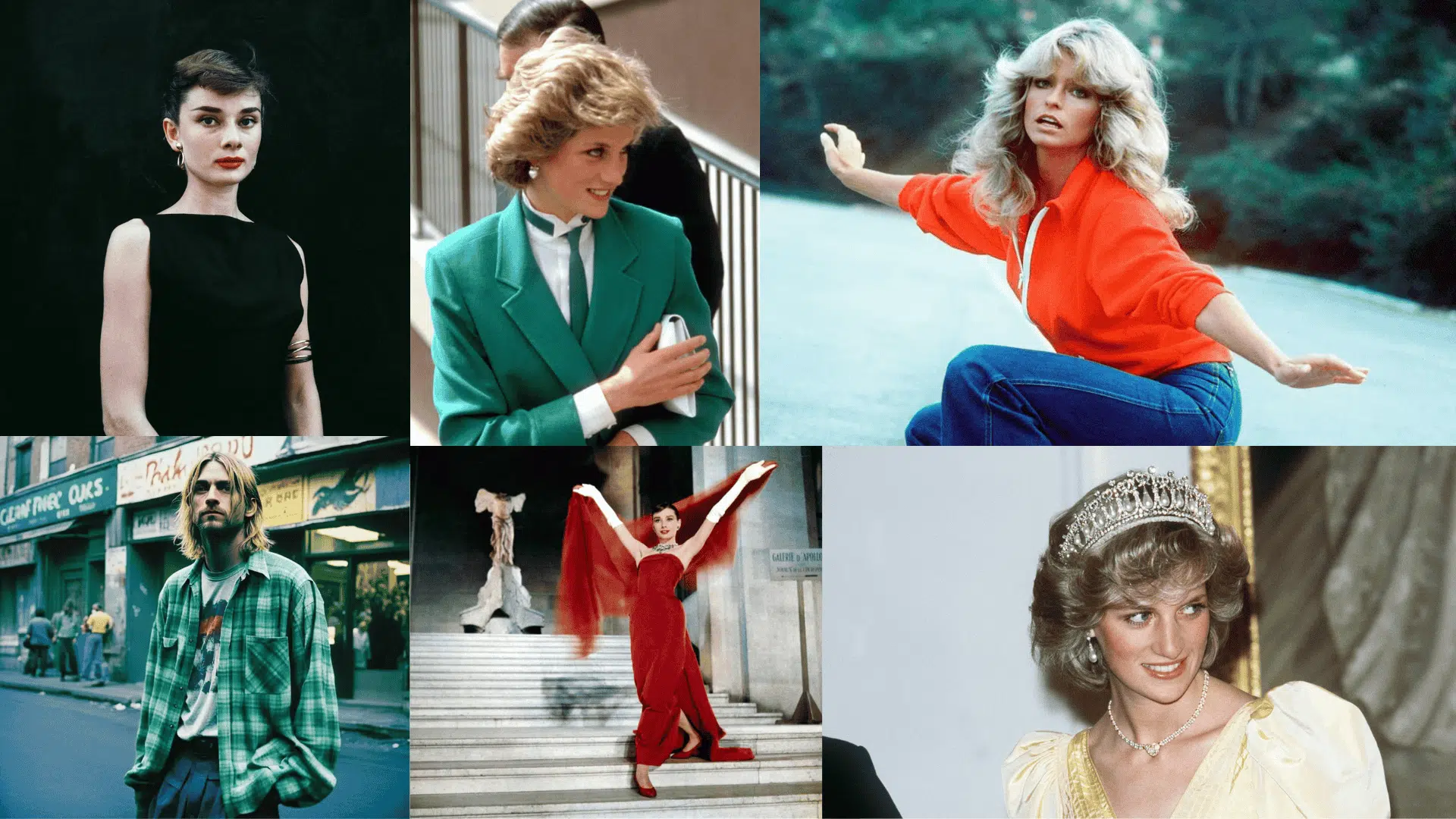
Every retro era had its style icons who defined how we remember those decades. Learning from their signature looks helps you capture authentic vintage vibes in a modern way.
Audrey Hepburn (1960s): She defined timeless elegance with simple black dresses, slim trousers, and quality white shirts. Copy her look with well-fitted basics in black and white, capri pants with ballet flats, and minimal accessories like pearl studs.
Farrah Fawcett (1970s): She brought California cool with high-waisted flared jeans, halter tops, and warm neutrals. Get her style with wide-leg jeans, fitted turtlenecks, platform sandals, and bronzed makeup with glossy lips.
Princess Diana (1980s): She revolutionized power dressing with tailored blazers in bold colors and statement accessories. Channel her with well-tailored blazers, mix high-end with casual pieces, and don’t shy away from strong colors.
Kurt Cobain (1990s): He made grunge iconic with oversized flannels, band tees, and worn cardigans. Copy his anti-fashion style with thrift-store finds and comfortable basics.
Understanding these icons helps you adapt their signature elements into your personal style today.
Conclusion
The return of retro fashion reflects more than just trend cycles. It shows a shift toward intentional, quality-focused personal style as an alternative to cheap, disposable clothing.
Right now, 1970s bohemian style dominates runways, but 1980s boldness, 1990s grunge, and early 2000s looks all coexist at once.
The key to navigating this isn’t chasing every revival. Instead, identify which eras resonate with your personal style and incorporate those elements thoughtfully.
Start with one statement piece. Balance vintage shapes with modern fits. Remember that the best retro-inspired looks feel personal, not like costumes. Fashion history provides inspiration, not strict rules.
The goal is to express your individuality through the lens of the past, not recreating museum exhibits.
Start infusing retro pieces into your daily wardrobe for a fresh, fashionable look that’s uniquely yours.