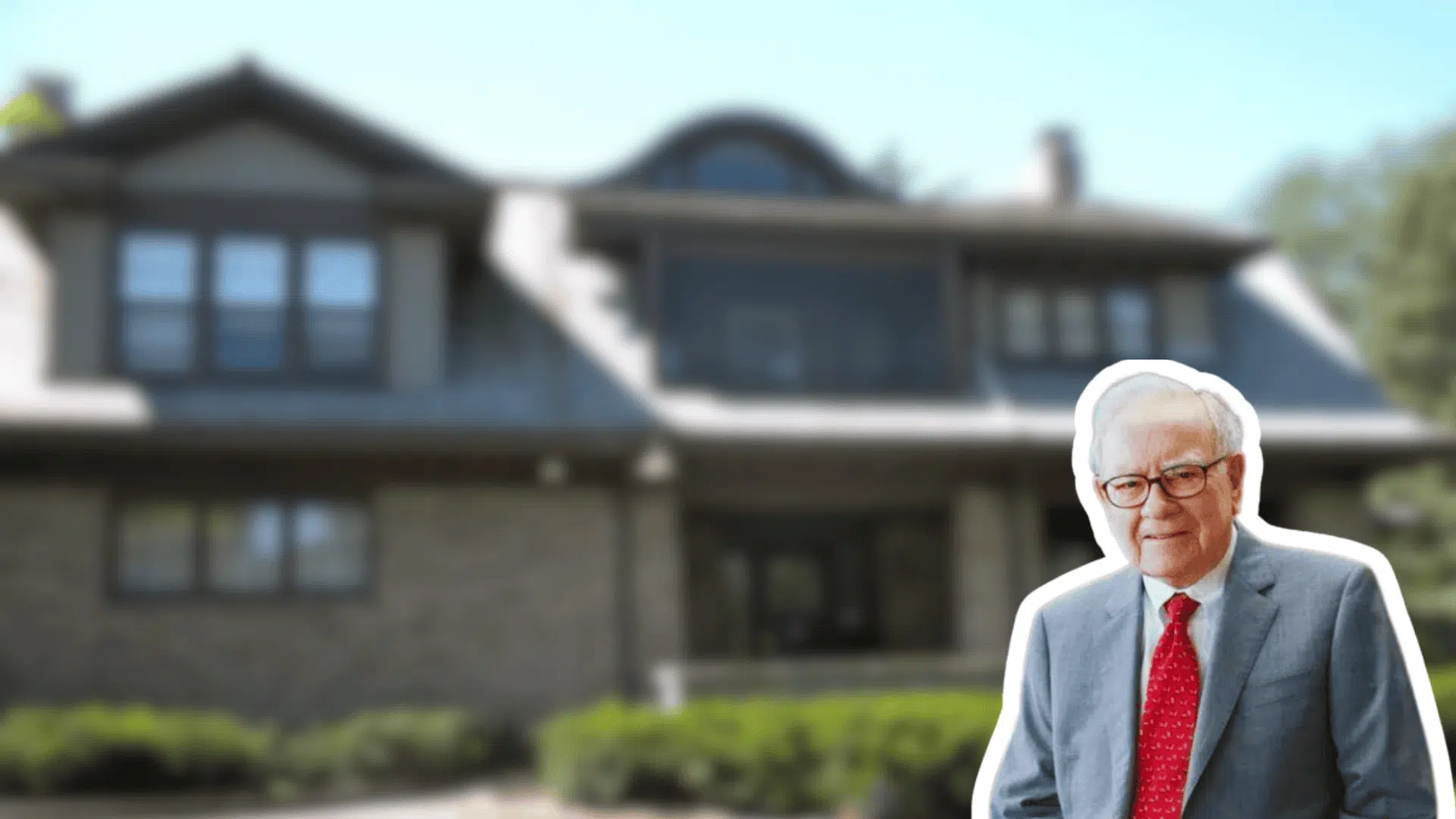
While most billionaires surround themselves with palatial estates and lavish luxuries, Warren Buffett’s modest Omaha home stands as a symbol of simplicity, wisdom, and the quiet strength of living within one’s means.
His house reflects timeless values: discipline, contentment, and purpose, proving that true wealth isn’t measured by possessions but by peace, gratitude, and a life well lived.
In a world obsessed with “bigger and better,” Buffett’s home reminds us that success isn’t about excess; it’s about finding meaning, balance, and satisfaction in what truly matters.
The StoryBehind Warren Buffett’s House
Warren Buffett’s house is in the Dundee neighborhood of Omaha, Nebraska, a quiet, historic area with early 1900s homes.
Built in 1921, the house has a simple stucco exterior and classic American design. Buffett bought it in 1958 for $31,500, when he was 28 and starting his investment career.
He’s stayed there ever since because he values simplicity and focus. Living close to his Berkshire Hathaway office keeps life efficient.
Despite owning a few other properties, this Omaha home remains his main residence, a reflection of his belief that a home should serve your life, not define it.
Exterior & Location Details of Warren Buffett’s House
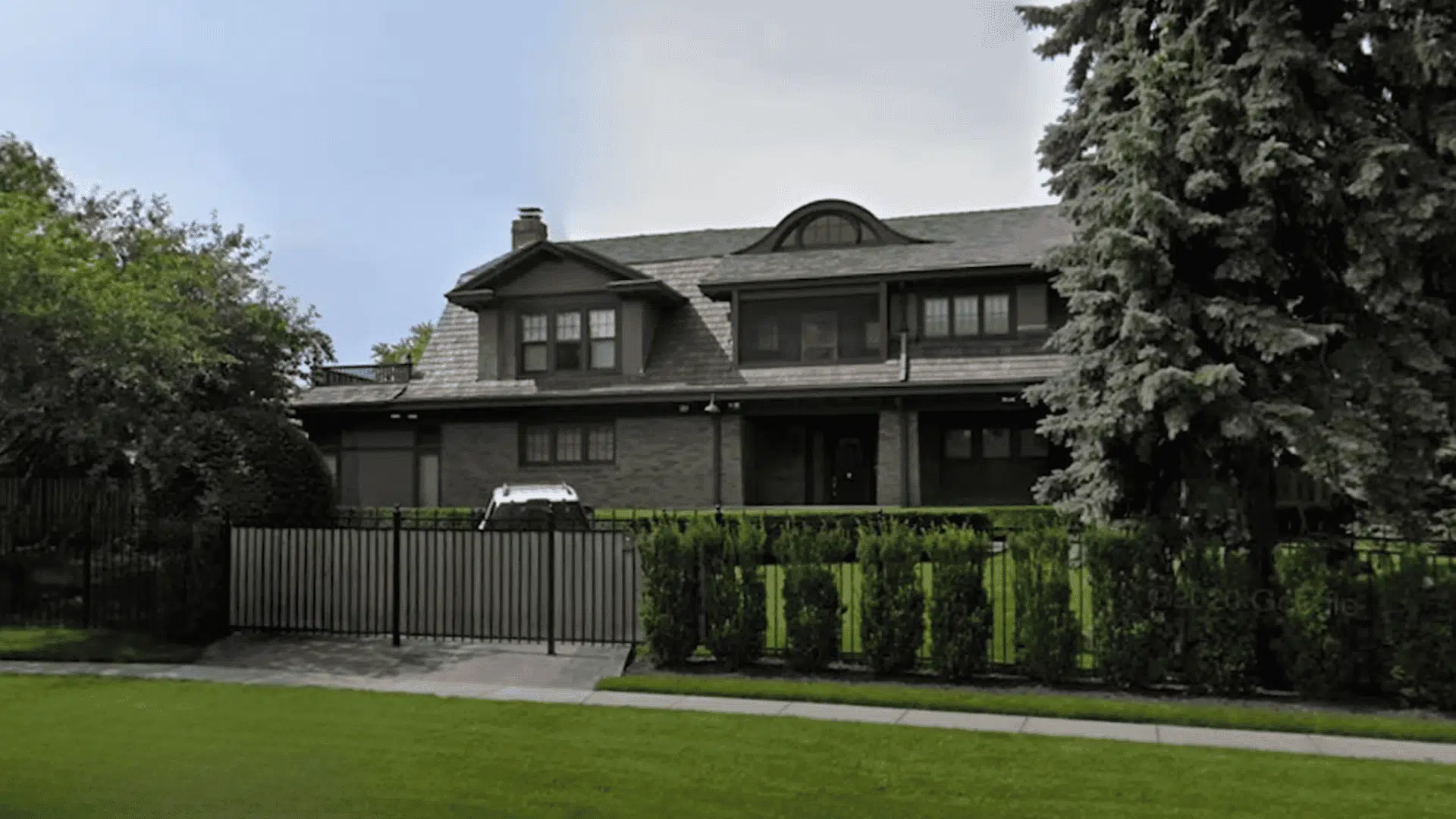
The property sits on a corner lot in the Dundee Historic District. The lot size is modest compared to other billionaire estates.
The exterior features:
- Gray stucco walls
- Traditional sloped roof
- Simple landscaping with mature trees
- No gates, security fences, or grand entrance
Buffett has made minimal changes to the home’s outside appearance. The goal was preservation, not show.
The neighborhood itself is quiet and walkable. Locals know Buffett lives there, but the area isn’t a tourist spot. The Berkshire Hathaway headquarters is less than 10 minutes away by car.
Inside Warren Buffett’s House: Layout & Design
Step inside Warren Buffett’s Omaha home, and you’ll find a residence that mirrors his investing philosophy: simple, steady, and built for the long haul.
Every corner reflects comfort, function, and a quiet sense of purpose rather than extravagance.
1. Rooms & Floor Plan
Warren Buffett’s home spans roughly 6,570 square feet, generous by average standards but modest when compared to billionaire estates.
It includes five bedrooms, 2.5 bathrooms, several living areas, and a cozy den that likely serves as his reading and thinking space.
The design follows a traditional 1920s layout, favoring clearly defined rooms instead of open-concept living. The result is a warm, practical flow that prioritizes comfort and family living over grandeur.
2. Decor & Furnishing Style
Inside, Buffett’s home exudes functionality and familiarity. The decor is understated, filled with comfortable, durable furniture and surrounded by family photos, personal mementos, and well-stocked bookshelves.
The style is timeless, with simple lighting and classic finishes that create a sense of lived-in warmth.
There’s no trace of gold fixtures, home theaters, or marble embellishments, just spaces that serve their purpose quietly and effectively, reflecting Buffett’s lifelong preference for value over vanity.
3. Renovations & Maintenance
Through the decades, Buffett has made essential updates, modernizing systems like HVAC, plumbing, and electrical to ensure the home remains efficient and livable.
Yet, he’s been careful to preserve its original charm, avoiding major structural changes or trendy overhauls. His maintenance philosophy echoes his investment strategy: improve what adds real value and ignore unnecessary upgrades.
Even as the house nears a century old, it continues to embody stability, comfort, and authenticity. Warren Buffett’s home isn’t a showpiece; it’s a reflection of his principles.
In a world chasing luxury, his Omaha residence stands as proof that true wealth lies not in square footage or finishes, but in contentment, purpose, and timeless simplicity.
Warren Buffett’s House Value: Then vs Now
Warren Buffett’s long-time Omaha home tells a fascinating story of restraint, stability, and compounding value. Below is a comparison of what he paid in 1958 and what the house is worth today.
Purchase Price in 1958
Buffett acquired the house for $31,500 in 1958, a sum that was modest yet above average for the time.
When adjusted for inflation, it translates roughly to $300,000 to $350,000 in today’s dollars.
Back then, the average U.S. home sold for about $12,000 to $15,000, so his purchase was sensible and moderate.
In the context of Omaha’s housing market, it wasn’t extravagant, but it was thoughtful and long-term.
Current Estimated Value
Today, that same Omaha residence is estimated at around $1.37 million per Zillow and similar real estate sources.
Other valuations place it between $1.2 million and $1.44 million, depending on condition, market fluctuations, and neighborhood premium.
That’s about a 43× return on the original price before inflation adjustment, or roughly 4× to 5× growth after inflation.
Its appreciation reflects Omaha’s market trends, the appeal of the Dundee neighborhood, and the sustained upkeep and condition of the property.
Buffett’s Omaha home is more than real estate, it’s proof that disciplined patience and living within one’s means can yield wealth over time. Its growth underscores that financial success often comes from smart investing, not flashy spending.
Buffett’s Own Words About His Home
Warren Buffett has famously described his Omaha home as one of his “best investments,” but not for the reasons you might expect.
In one of his shareholder letters, he reflected, “For the $31,500 I paid… my family and I gained 52 years of terrific memories.” To Buffett, the real return wasn’t financial; it was emotional and practical.
He’s repeatedly emphasized that a home should serve your needs, not your ego, and that overspending on housing often means diverting money from more productive investments.
This perspective perfectly mirrors his core value-investing philosophy: buy only what you understand, pay a fair price, and allocate capital where it truly compounds.
His Omaha residence stands as a quiet testament to disciplined decision-making, proving that the best investments aren’t always the ones listed on a balance sheet.
Can You Visit Warren Buffett’s House?
No. The house is private property and not open to the public.
However, fans can:
- View the exterior from the street
- Walk through the Dundee Historic District
- Visit nearby Omaha landmarks
If you’re interested in Buffett’s life, consider visiting the Berkshire Hathaway headquarters or attending the annual shareholder meeting instead.
Final Thoughts
Warren Buffett’s Omaha home isn’t just a house; it’s a statement about value, purpose, and contentment. Purchased for $31,500 in 1958, its worth has soared beyond $1 million, yet Buffett never saw it as an investment to flip.
He stayed because it fit his family’s needs and reflected his belief that real wealth lies in financial wisdom, not appearances.
His decision challenges the modern obsession with “bigger and better,” reminding us that happiness often lives in simplicity.
If you’re planning your next move or evaluating your current home, take a page from Buffett’s playbook: invest for growth, live for balance, and choose comfort over comparison.
Start by reflecting on what truly defines “home” for you and build from there.