
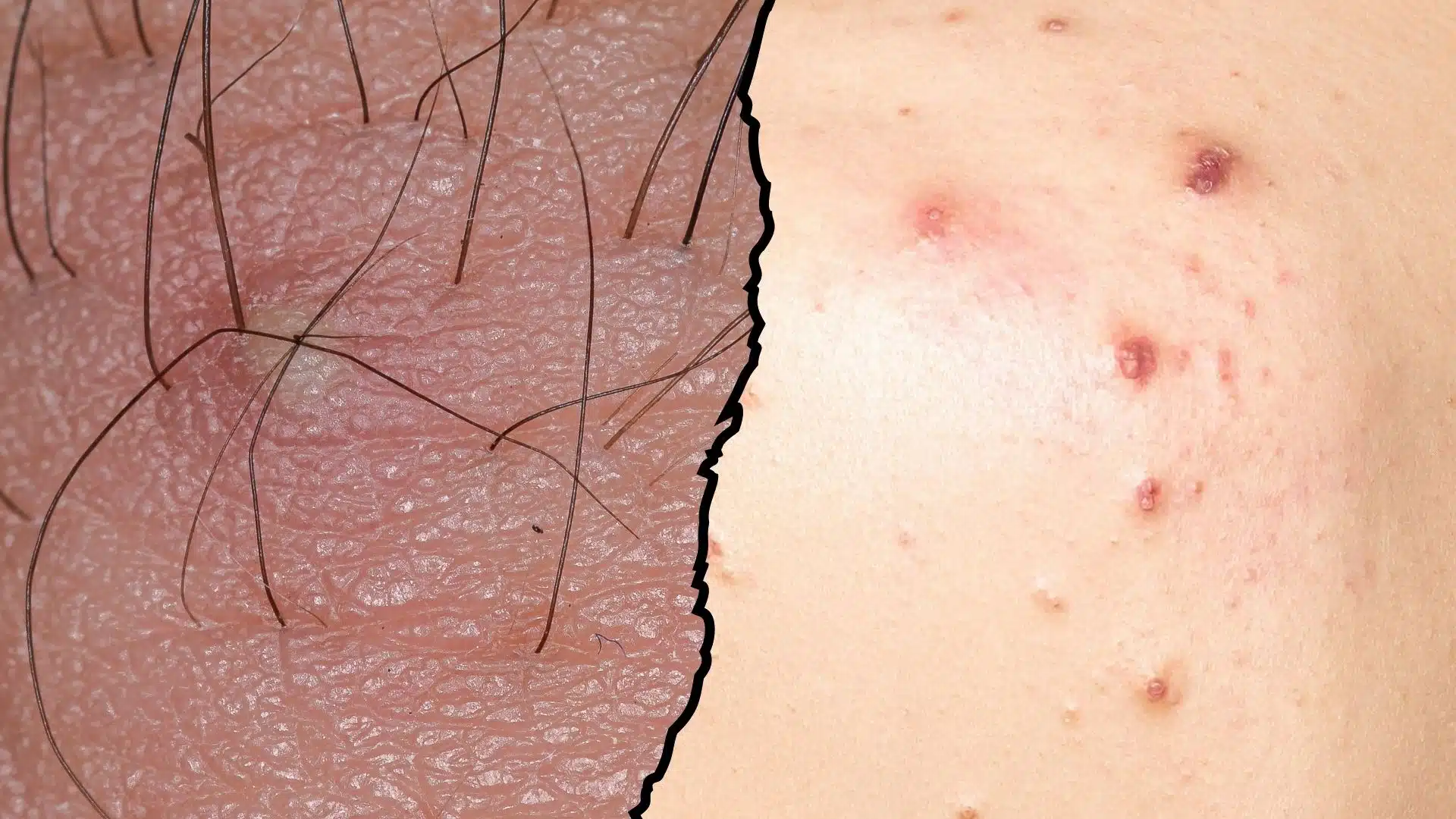
Ever felt frustrated trying to figure out what’s causing those annoying bumps on your skin?
Skin concerns can be confusing and stressful. When something pops up unexpectedly, it’s natural to worry about what’s happening.
Getting the correct information makes all the difference in how you handle these situations.
Making the wrong choice in care can lead to bigger problems down the road. That’s why knowing exactly what you’re dealing with matters so much for your skin health.
In this blog, I’ll show you how to correctly identify different skin bumps.
You’ll learn about their causes, safe home treatments, prevention methods, and when professional help is needed for proper care.
What Is an Ingrown Hair?
An ingrown hair happens when a hair grows back into your skin instead of rising from it. The hair curls and gets trapped under the skin surface.
Your body sees the trapped hair as something foreign. It causes redness and swelling around the area. Sometimes pus forms if bacteria enter the site.
Causes of Ingrown Hair
✓ Shaving too close to the skin
✓ Curly or coarse hair texture
✓ Wearing tight-fitting clothes regularly
✓ Built up debris blocks follicles
✓ Using old or dull razors
Common Areas It Pops Up: Ingrown hairs typically show up where you remove hair regularly. Common spots include the face, neck, legs, underarms, bikini line, chest, and back.
What Is a Pimple?
A pimple forms when your pores get clogged with oil, dead skin cells, and bacteria. Oil glands release sebum to protect your skin, and too much of it can create buildup that blocks the opening of the pore.
A bacterium called P. acnes multiplies quickly when trapped in blocked pores. Your body reacts to the trapped bacteria, resulting in the tender, raised bump on the skin.
Causes of Pimples
✓ Excess oil production in the skin
✓ Bacteria buildup in blocked pores
✓ Hormonal changes during puberty or menstruation
✓ Poor skincare and hygiene habits
✓ High sugar and dairy consumption
Common Areas It Pops Up: Pimples appear most often on oily skin zones. Face areas such as the forehead, nose, cheeks, and chin are the places where these appear most.
Ingrown Hair vs Pimple: How Can You Tell the Difference?

Spotting the difference between these two skin bumps can be tricky, but a few key features help you identify each one correctly and treat it right.
| Feature | Ingrown Hair | Pimple |
|---|---|---|
| Appearance | Single bump with hair visible under skin | Red bump with white or yellow head |
| Location | Areas where hair is removed | Oily skin areas like the face and back |
| Cause | Hair grows back into the skin | Clogged pore with oil and bacteria |
| Pattern | Usually appears alone | Often comes in groups |
| Pain Level | Mild discomfort or itching | It can be pretty painful, especially cysts |
| Center | Dark spot or hair loop visible | White pus or no visible center |
Check the bump’s location and look for visible hair beneath the skin to confirm whether it’s an ingrown hair or a pimple causing your concern.
How to Treat Ingrown Hairs and Pimples Safely?
Both conditions can be managed at home with proper care and the right approach. Try not to press or scratch these bumps because they can irritate the area and slow healing.
For Ingrown Hairs

Warm compress method: Apply a warm, damp cloth for 10 to 15 minutes three times daily. The warmth softens skin and helps hair emerge naturally.
Gentle exfoliation: Use a soft washcloth or mild scrub twice weekly to remove dead skin cells. Don’t scrub too hard or irritate the skin more.
Sterilized tweezers: If the hair tip is visible, use clean, sterilized tweezers with rubbing alcohol. Don’t dig into the skin to find buried hairs, as it can damage more skin.
Over-the-counter products: Try salicylic acid or glycolic acid lotions to remove dead skin and reduce inflammation. Apply once daily after gently cleansing the area.
For Pimples

Benzoyl peroxide treatment: Use benzoyl peroxide products starting with 2.5% strength to avoid irritation. Apply a thin layer only to the affected spots, not to the entire face.
Salicylic acid cleanser: Wash your face twice daily with a gentle salicylic acid face wash. Don’t overwash, as it strips natural oils and increases oil production instead.
Spot treatments: Apply diluted tea tree oil with carrier oil on individual pimples before bed. Some people find that this naturally reduces redness and swelling overnight.
Ice application: Place a covered ice cube gently on the sore spots for a short time to calm swelling and ease discomfort. This temporarily reduces inflammation and eases pain.
What to avoid:
✓ Don’t pop or squeeze either ingrown hairs or pimples.
✓ Avoid touching the affected area with dirty hands.
✓ Don’t apply heavy creams that clog pores further.
✓ Skip harsh scrubs that damage your skin barrier.
How Can You Prevent Ingrown Hairs and Acne Breakouts?
Prevention saves you from dealing with painful bumps in the first place. Small changes in your daily routine make a big difference over time.
| Preventing Ingrown Hairs | Preventing Pimples |
|
|
When to Consult a Doctor?
Most bumps clear up with home care within a week or two, but certain warning signs mean you need professional medical help right away.
See a doctor if you notice:
✓ Severe pain that gets worse instead of better.
✓ Signs of infection like increasing redness, warmth, or pus.
✓ Bumps that don’t heal after two weeks of treatment.
✓ Fever or feeling unwell along with skin issues.
✓ Deep cysts that feel hard and painful under the skin.
✓ Scarring or dark marks from previous bumps.
✓ Recurring problems in the same area repeatedly.
Wrapping It Up
To summarize, knowing what causes different skin bumps gives you control over your skin health.
The proper care approach depends on accurate identification first. Home remedies work well for most cases when applied correctly and consistently.
Simple daily habits significantly help prevent future problems. Clean tools, proper hygiene, and gentle skincare go a long way. Listen to your body and watch for warning signs that need medical attention.
Taking action early prevents complications and scarring. Your skin deserves the best care possible with informed decisions and patience throughout the healing process.
What challenges have you faced with skin bumps? Share it or drop your questions in the comments below!