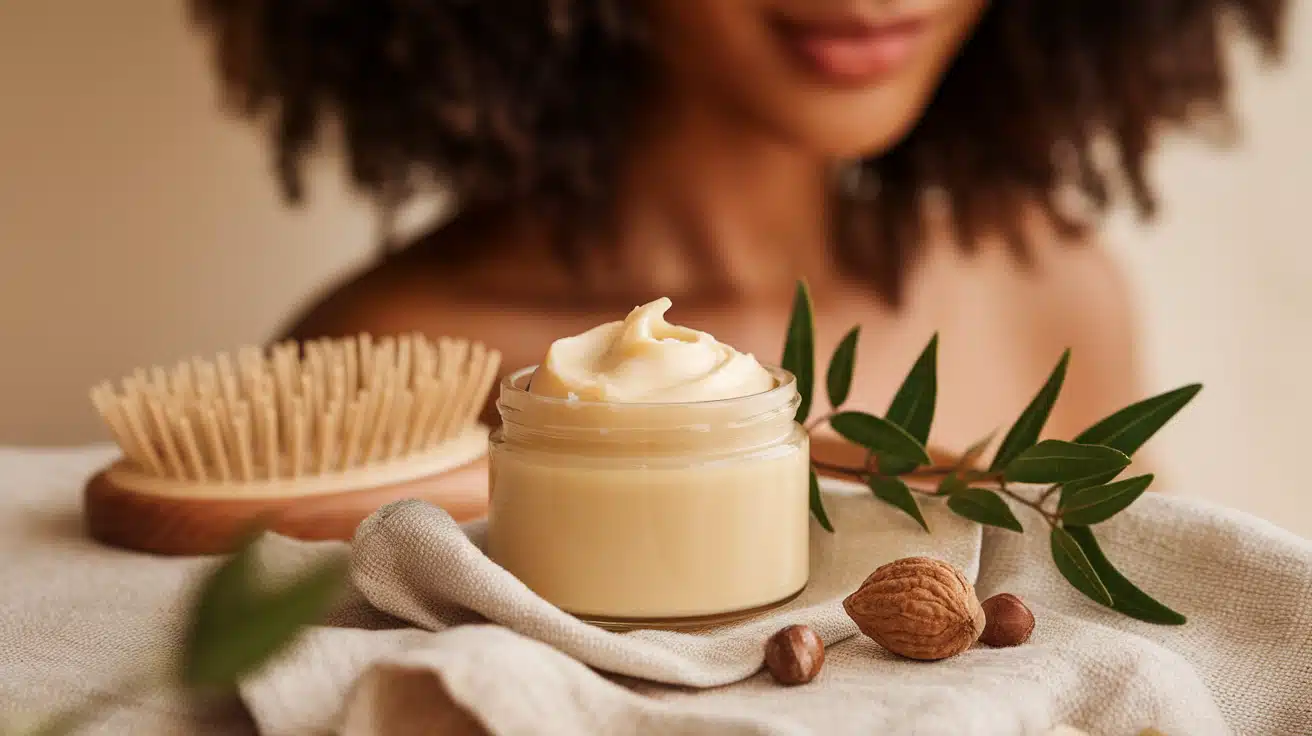
Shea butter has taken over the hair care world. Walk into any beauty store and you’ll see it in conditioners, masks, and styling products.
But does it really work, or is it just another overhyped ingredient? The answer isn’t as simple as yes or no.
Shea butter comes from the nuts of the African shea tree and is loaded with fatty acids and vitamins. For some hair types, it’s a total lifesaver. For others, it can cause more problems than it solves.
In this guide, we’ll break down what shea butter actually does to your hair. You’ll learn about its real benefits, potential side effects, and how to use it correctly.
We’ll also share which hair types benefit most and recommend trusted brands available.
What Is Shea Butter, and How Is It Good for Hair?
Shea butter comes from the nuts of the African shea tree (Vitellaria paradoxa). This creamy, ivory-colored fat is rich in fatty acids (such as oleic, stearic, and linoleic acids) and vitamins A and E, nutrients your hair craves.
Its thick, buttery texture melts easily when warmed, making it simple to spread through your strands. For people with natural, curly, or coily hair, shea butter absorbs well without feeling overly greasy.
When applied, it coats each hair strand with a protective layer that locks in moisture and shields it from heat and environmental stress.
This smooths the cuticle, reduces frizz, and adds a natural shine, like a barrier that keeps the good stuff in and the bad stuff out.
Top Benefits of Shea Butter for Hair
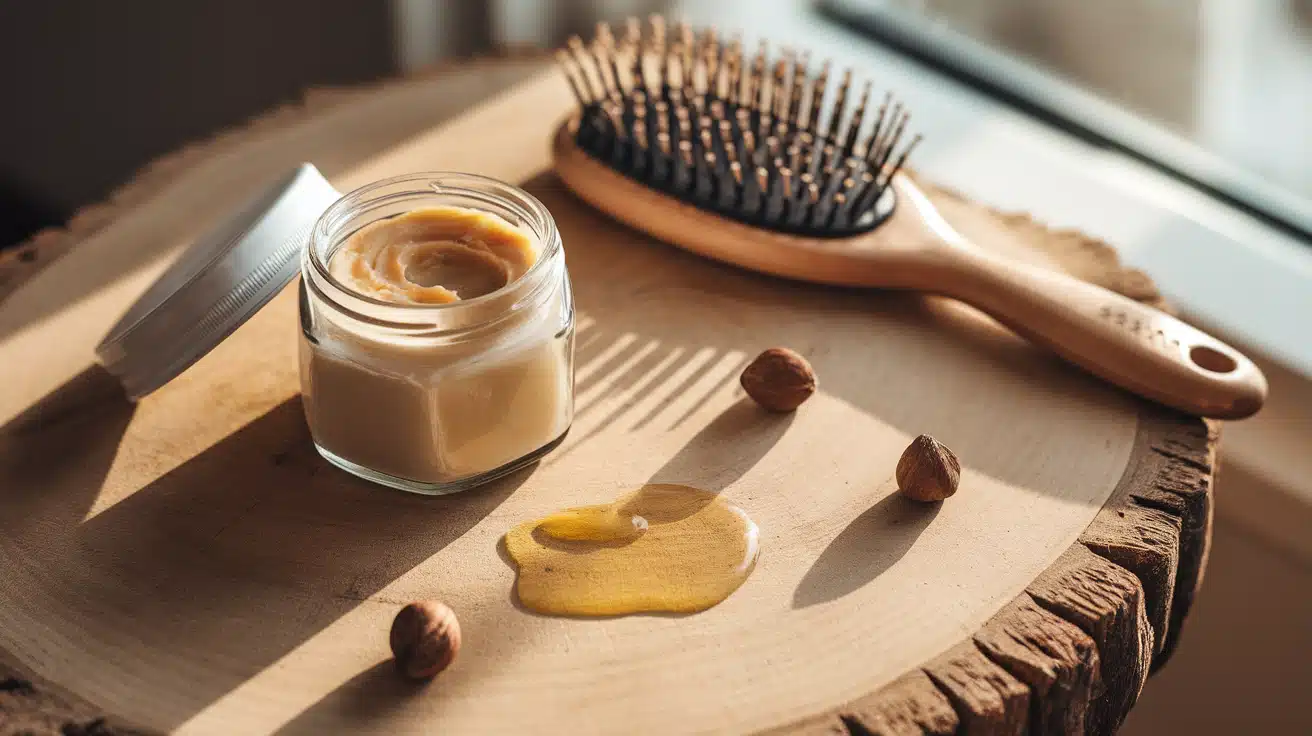
Now that we understand what shea butter is and how it works, let’s explore why it’s considered one of the most nourishing natural ingredients for hair.
1. Deep Moisturization
Shea butter doesn’t just sit on top of your hair. It actually sinks into the hair shaft and traps moisture inside.
This deep hydration is perfect for dry, thirsty strands that need serious help. Your hair stays soft and flexible for hours, even days after application.
2. Tames Frizz and Adds Natural Shine
Tired of flyaways and dull hair? Shea butter smooths down the outer layer of each strand, called the cuticle. When the cuticle lies flat, light reflects better off your hair.
The result is less frizz and a healthy, natural glow that looks polished without being greasy.
3. Natural Heat and UV Protection
Your hair faces threats every day from blow dryers, flat irons, and harsh sunlight. Shea butter forms a protective coating around each strand.
This barrier reduces damage from heat styling tools and blocks some harmful UV rays. It’s like sunscreen for your hair, but completely natural.
4. Promotes Scalp Health
A healthy scalp means healthy hair growth. Shea butter has anti-inflammatory properties that calm irritation and itching.
It moisturizes dry, flaky scalp conditions and can help reduce dandruff. Many people notice less itching within just a few uses.
5. Strengthens Hair and Prevents Breakage
Weak hair snaps easily when you brush or style it. Shea butter improves your hair’s elasticity, which means strands can bend without breaking.
It also helps seal split ends temporarily and prevents new ones from forming. Stronger hair means longer hair over time.
Potential Drawbacks and Side Effects of Shea Butter

While shea butter offers plenty of hair-loving benefits, it’s not perfect for everyone. Like any product, it can have a few downsides depending on your hair type and how you use it.
1. Product Build-Up
Shea butter is thick and heavy by nature. If you use it too often or apply too much, it can pile up on your hair strands.
This buildup makes your hair feel coated, sticky, or weighed down. You might notice your hair looks dull instead of shiny, and it becomes harder to style.
2. Greasiness or Limp Hair
Fine or straight hair types often struggle with shea butter. The rich texture can make these hair types look flat and oily.
Your hair might lose its volume and bounce completely. If your hair is naturally thin, you may want to use very small amounts or skip shea butter altogether.
3. Allergic Reactions or Scalp Sensitivity
While uncommon, some people do react badly to shea butter. Symptoms include itching, redness, burning, or small bumps on the scalp.
If you notice any irritation after using it, stop immediately. Always do a patch test on your inner arm before applying it to your entire head.
4. Clogged Pores and Acne (if used near hairline)
Shea butter can block your skin pores, especially along your hairline and forehead. This leads to breakouts, pimples, or scalp acne.
If you’re prone to acne, be careful when applying shea butter near your face. Keep it focused on your hair lengths and ends, not your roots or skin.
5. Reduced Absorption of Other Products
Shea butter creates a protective seal on your hair. While this is great for locking in moisture, it can also lock out other products.
If you apply shea butter first, your leave-in conditioners or serums may not penetrate properly. This means you won’t get the full benefits of your other hair care products.
How to Use Shea Butter for Best Results

The key to getting the most out of shea butter is using it the right way. With proper application, you can enjoy all its benefits while avoiding the common pitfalls.
Method 1: As a Leave-In Conditioner
Take a small amount of shea butter and warm it between your palms until it melts. Apply it to damp, freshly washed hair, focusing on the mid-lengths and ends.
Avoid your roots unless your scalp is very dry. This method locks in moisture and keeps your hair soft all day long.
Method 2: As a Pre-Shampoo (Pre-Poo) Treatment
Apply shea butter to dry hair before you wash it. Coat your strands generously and let them sit for 15 to 30 minutes.
This creates a protective barrier that prevents your shampoo from stripping away too much natural oil. Your hair will feel softer and more hydrated after washing.
Method 3: In the LOC/LCO Moisture
The LOC method stands for Liquid, Oil, Cream. Shea butter works perfectly as the cream step. After applying a water-based leave-in (liquid) and a light oil, seal everything in with shea butter.
This layering technique is popular in the natural hair community because it provides maximum moisture retention.
Method 4: In DIY Hair Masks
Mix melted shea butter with coconut oil, argan oil, or aloe vera gel. You can also add honey or essential oils for extra benefits.
Apply this homemade mask to your hair and leave it on for 20 to 45 minutes. Rinse thoroughly with shampoo. These masks give your hair an intense moisture boost and added softness.
Who Should (and Shouldn’t) Use Shea Butter?
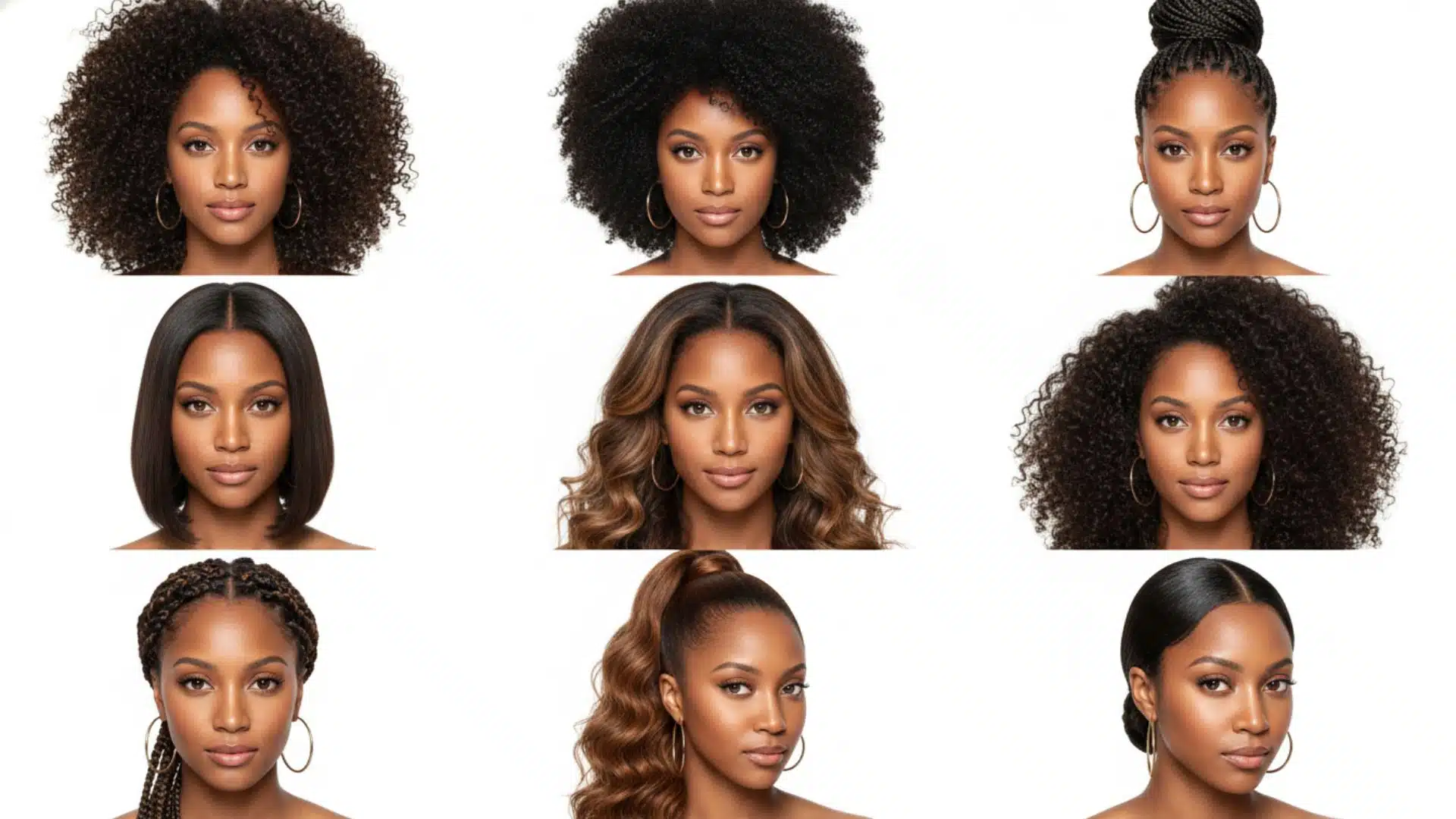
Shea butter works best for people with coarse, curly, coily, or very dry hair. If your hair is chemically treated, colored, or relaxed, shea butter can help repair damage and restore moisture.
These hair types can handle the thick, rich texture without getting weighed down. However, if you have fine, thin, or naturally oily hair, use shea butter very sparingly or avoid it completely.
It may make your hair look greasy and flat. Dermatologists suggest doing a patch test before full application to check for allergies.
They also recommend alternating shea butter with lighter oils like jojoba or grapeseed oil. This gives your hair variety and prevents buildup. Listen to your hair and adjust based on how it responds.
Comparing Shea Butter with Other Natural Oils

While shea butter is a powerhouse on its own, it’s often compared to other popular natural oils. Understanding how it stacks up can help you choose the best one for your hair type and goals.
| Feature | Shea Butter | Coconut Oil | Argan Oil | Castor Oil |
|---|---|---|---|---|
| Texture | Thick, creamy | Light-medium | Light & smooth | Thick & sticky |
| Best For | Dry, curly, coarse hair | Normal to dry hair | Fine or frizzy hair | Brittle or thinning hair |
| Moisture Level | Excellent sealer | Deep hydration | Moderate, adds shine | Very high, greasy feel |
| Scalp Care | Soothes & anti-inflammatory | Antibacterial | Reduces flakes | Stimulates growth |
| Weight on Hair | Heavy | Medium | Light | Heavy |
| Drawback | Can cause buildup | May cause dry hair over time | Expensive | Can clog pores |
Best Shea Butter Brands for Hair
Quality matters when choosing shea butter. Here are five options that are widely trusted and genuinely pure:
- SheaMoisture Raw Shea Butter is ethically sourced from West Africa and unrefined, making it a reliable option for natural and textured hair needing serious moisture.
- Now Solutions Organic Shea Butter is 100% pure and free from additives, gentle enough for sensitive scalps and widely available online.
- Sky Organics Unrefined Shea Butter is cold-pressed to preserve vitamins and comes in larger sizes that offer good value for regular users.
- Naked Bee Shea Butter Balm is a whipped, lighter-textured option that works better for fine or straight hair without the heaviness of raw butter.
- Better Shea Butter Premium Grade is handmade and unrefined, a good pick if you prefer making your own DIY masks or treatments at home.
The Bottom Line
Shea butter works. But it works specifically for certain hair types and only when you use it in the right amount and sequence.
For coily, curly, coarse, or chemically treated hair, it’s one of the best natural sealants available. It holds moisture in, smooths the cuticle, reduces breakage, and soothes a dry scalp without synthetic ingredients.
If you have fine or oily hair, you’ll likely find it too heavy for regular use. A lighter oil with similar fatty acids will serve you better day-to-day, with shea butter reserved for occasional deep treatments.
Start with a small, dime-sized amount on damp hair and see how your hair responds after two weeks. Choose unrefined over refined for the most intact nutrient profile.
And if you’re using it regularly, plan a clarifying wash every two to three weeks to prevent residue from building up.
Frequently Asked Questions
Does shea butter help with hair growth?
Shea butter doesn’t directly trigger follicle activity, but it reduces breakage, which helps hair retain length over time. A healthier scalp environment also supports normal growth cycles.
Can I use shea butter on straight hair?
You can, but use very little. Apply only to the ends of dry or towel-dried hair. Anything more will flatten and grease straight strands noticeably by midday.
How often should I use shea butter on my hair?
Once or twice a week works well for most hair types. Daily use increases buildup risk significantly and may require a clarifying shampoo more often than most people want.
Is it better to apply shea butter to wet or dry hair?
Damp hair is ideal. The butter seals in water already present in the strand rather than sitting on dry hair with nothing to lock in.
Can shea butter replace a conditioner?
No. Shea butter is a sealant, not a conditioner. It locks in moisture but doesn’t add it the way a rinse-out or leave-in conditioner does. Use both.