
Picture this: You’re getting ready for a beach trip, running your hand along your leg, and there it is.
That sandpaper feeling, right on schedule. The razor promised smooth skin, but it barely lasted two days.
If this sounds familiar, it’s time to discover why waxing might be your skin’s new best friend.
The benefits of waxing go far beyond just hair removal. This method pulls hair from the root, giving you weeks of silky smoothness instead of fleeting results.
No razor burn, no constant upkeep, no stubble sneaking back by evening.
In this guide, you’ll learn how waxing works, what sets it apart from shaving, and whether it matches your lifestyle needs. Let’s dive in.
How Does Waxing Work?
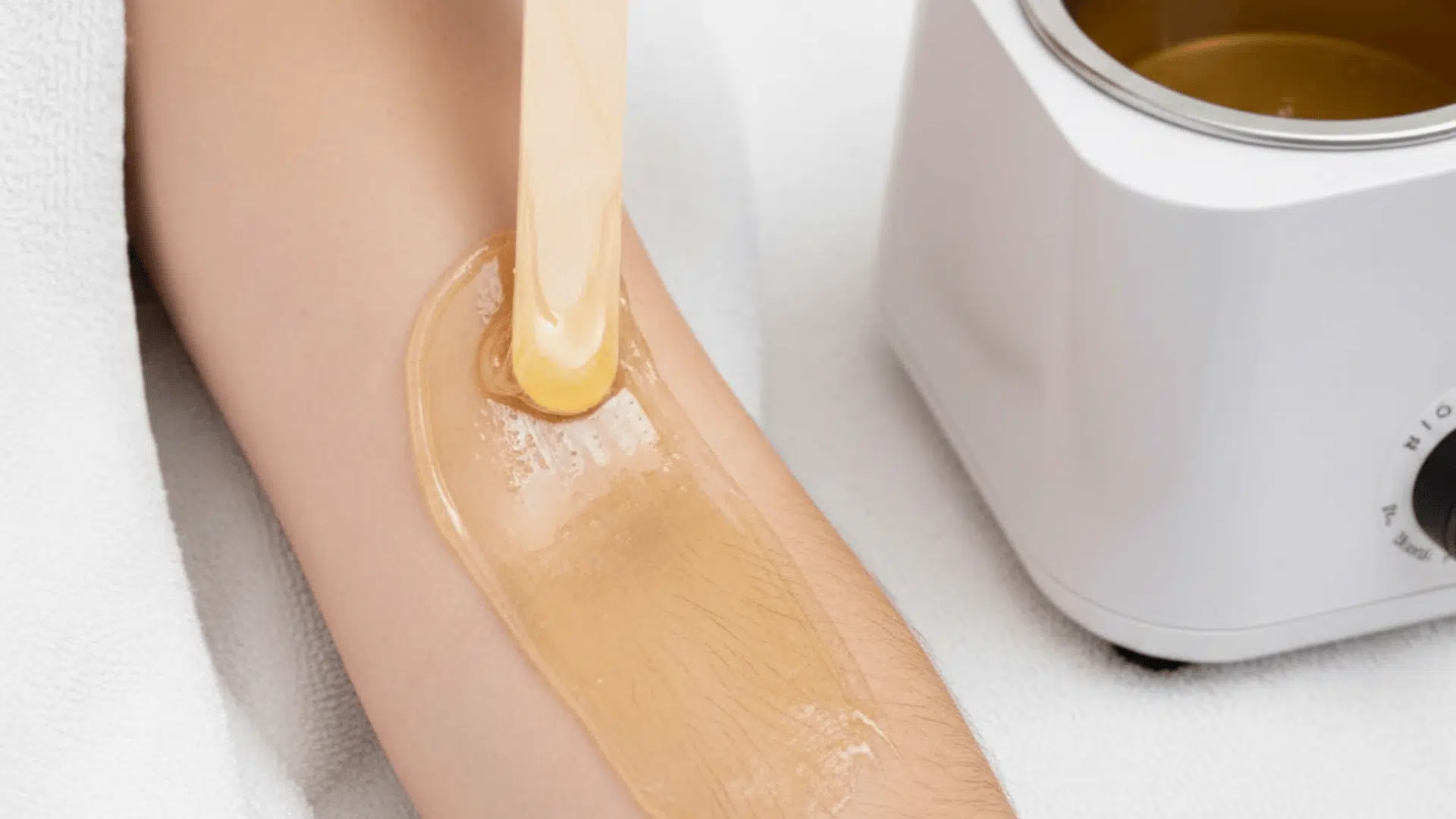
Waxing is a hair removal method that pulls hair out from the root using warm or cold wax. Unlike shaving, which only cuts hair at the skin’s surface, waxing removes the entire hair strand from the follicle. This is why results last much longer.
There are two main types of wax used:
- Hard wax: Hardens on the skin and is removed without strips. Best for sensitive areas like the face, underarms, and bikini line.
- Soft wax: Requires cloth strips for removal. Works well on larger areas like legs, arms, and back.
Your esthetician will choose the right wax type based on the area being treated and your skin sensitivity.
A thin layer of wax is applied to the skin in the direction of hair growth. Once the wax sets, it grips the hair firmly.
Then it’s quickly pulled back in the opposite direction, taking the hair with it. The entire strand, including the root, comes out in one motion.
What Happens After Waxing?
Right after a session, your skin may look slightly pink or feel tender. This is normal and usually fades within a few hours.
Because the hair is removed from the root, regrowth takes much longer to appear. Most people stay smooth for three to six weeks before new hair becomes visible.
The hair that grows back often feels softer and finer. Over time, regular waxing can make regrowth less noticeable and easier to manage.
Now that you understand how the process works, let’s look at the key benefits of waxing for your skin and hair.
Key Advantagesof Waxing
Waxing offers several advantages that make it a popular choice for hair removal. Here’s why so many people prefer this method over other options.
1. Longer-Lasting Smooth Skin
One of the biggest benefits of waxing is how long the results last. Since waxing removes hair from the root, your skin stays smooth for three to six weeks.
Compare that to shaving, which only gives you one to three days before stubble returns. Fewer sessions mean less time spent on grooming overall.
2. Softer and Finer Regrowth Over Time
When hair grows back after waxing, it comes in softer and thinner. According to the Cleveland Clinic, waxing pulls out the hair root from the follicle, which can lead to hair growing back thinner over time.
Many people notice their regrowth becomes less dense and easier to manage after consistent sessions.
3. Less Visible Stubble
Shaved hair has a blunt edge that feels rough as it grows back. Waxed hair grows back with a natural tapered tip, so there’s no prickly or scratchy feeling between sessions. Your skin feels smoother for longer without that sandpaper texture.
4. Reduced Need for Frequent Hair Removal
Because results last for weeks, you won’t need to think about hair removal as often. One waxing session every four to six weeks beats shaving every two to three days. That adds up to significant time savings in your regular routine.
5. Natural Exfoliation for Smoother Skin
Waxing does more than just remove hair. According to dermatologists, waxing also helps shed dead skin cells by working as an exfoliant. This gentle removal leaves your skin feeling softer and looking brighter.
You get two treatments in one session without any extra steps.
6. Fewer Ingrown Hairs
Razors cut hair at an angle, increasing the risk of curling back into the skin. Waxing removes hair from the root, allowing it to grow back naturally. This reduces the risk of painful bumps and ingrown hairs, especially in sensitive areas like the bikini line and underarms.
7. No Nicks, Cuts, or Razor Burns
Shaving comes with risks like accidental cuts, razor burn, and skin irritation, especially in sensitive areas. Waxing eliminates these concerns entirely since there are no sharp blades involved.
This makes waxing a safer option for areas like knees, ankles, and the bikini line where razor accidents happen most often.
With so many advantages, it’s clear why waxing remains a top choice for hair removal. But how does it really stack up against shaving?
Let’s break down the key differences between these two methods.
Waxing vs Shaving: Key Differences
Both waxing and shaving remove unwanted hair, but they work in completely different ways. Understanding these differences can help you choose the method that fits your lifestyle and skin type.
Shaving cuts hair at the skin’s surface using a blade. The root stays intact, so hair grows back quickly. Waxing pulls the entire hair strand out from the follicle, which is why results last much longer.
Here’s a side-by-side look at how these two methods compare:
| Factor | Waxing | Shaving |
|---|---|---|
| How Long Do Results Last | 3-6 weeks | 1-3 days |
| Hair Regrowth Texture | Finer and softer | Blunt and stubby |
| Pain Level | Mild to moderate discomfort | Usually painless |
| Risk of Cuts | None | Common |
| Ingrown Hairs | Less likely | More common |
| Average Session Time | 15-60 minutes | 5-15 minutes |
| Cost Per Session | Higher upfront | Lower per use |
| Long-Term Cost | Lower over time | Adds up with supplies |
As the table shows, each method has its own strengths. Shaving wins on convenience and zero pain. Waxing wins on lasting results and smoother regrowth.
When Is Waxing Better Than Shaving?
Waxing is the smarter choice if you want weeks of smooth skin without daily upkeep. It’s also better for areas prone to razor burn or ingrown hairs. According to dermatologists, waxing can be less aggravating to your skin than shaving, which often causes irritation.
The best choice depends on your priorities. Now let’s look at how waxing works on different body areas.
Which Body Parts Can You Wax?

Waxing works on almost every part of the body. However, each area has its own considerations based on skin sensitivity and hair type. Here’s what to expect when waxing different zones.
1. Face
Facial waxing targets areas like the upper lip, chin, eyebrows, and cheeks. Hard wax works best here because it grips hair without sticking to the skin.
According to dermatologists, waxing for the face lasts two to eight weeks, making it a practical choice for managing facial hair. Results leave the skin smooth and help with light exfoliation, too.
2. Hands and Arms
Arm waxing removes hair from the forearm or full arm, giving a clean and polished look. The skin on the arms is less sensitive than other areas, so most people find this process comfortable.
Soft wax with strips works well for these larger surfaces. Results typically last three to six weeks.
3. Legs
Leg waxing is one of the most popular services. It covers everything from the thighs to the ankles. Since legs have a large surface area, soft wax is commonly used for faster application.
Waxing for legs keeps skin smooth for weeks, eliminating the need for daily shaving. Many people notice finer regrowth after regular sessions.
4. Underarms
Underarm waxing removes hair from the root, keeping this area smooth longer than shaving. Hard wax is preferred here because the skin is thinner and more sensitive.
According to professionals, waxing the underarms also eliminates dead skin cells, acting as a gentle exfoliant. Expect results to last two to four weeks.
5. Private Area
Bikini and Brazilian waxing remove hair from the pubic region. These services range from basic bikini line cleanup to full hair removal. Hard wax is always used for this sensitive zone.
Results last three to six weeks, and proper aftercare helps prevent irritation. Always choose a licensed esthetician for these services to ensure safety and hygiene.
Each body area responds differently to waxing. Knowing what to expect helps you prepare for a comfortable experience. Of course, waxing isn’t perfect for everyone. Let’s look at some potential drawbacks to consider.
Potential Drawbacks of Waxing

While waxing offers many benefits, it’s not without some downsides. Here are a few things to keep in mind before booking your appointment.
- Pain or Discomfort: Waxing involves pulling hair from the root, which causes some level of discomfort. First-timers often feel it more intensely. The good news is that pain decreases with regular sessions as hair grows back finer.
- Skin Sensitivity or Reactions: Some people experience temporary redness, bumps, or irritation after waxing. Those with sensitive skin may notice these effects more. Proper aftercare, like applying aloe vera, helps calm the skin quickly.
- Higher Upfront Cost: A single waxing session costs more than a pack of razors. However, since results last for weeks rather than days, many find it cost-effective over time.
- Hair Length Requirement: You need at least a quarter inch of hair growth before waxing. This means waiting two to three weeks between sessions, which some people find inconvenient.
- Not Suitable for Everyone: People with certain skin conditions, like eczema or psoriasis, should avoid waxing. Those using retinoid creams or taking specific medications should also consult a dermatologist first.
Disclaimer If you have eczema, psoriasis, or any chronic skin condition, consult with a dermatologist before waxing. These conditions can make skin more vulnerable to irritation, and waxing may worsen symptoms or lead to complications. |
Understanding these drawbacks helps you weigh whether waxing aligns with your needs and skin type.
Conclusion
Waxing offers a practical solution for those seeking more than temporary smoothness. Weeks of hair-free skin, fewer ingrown hairs, and softer regrowth make it a compelling alternative to daily shaving.
But it’s not a one-size-fits-all answer. Your skin type, pain threshold, and lifestyle should guide your choice.
The real question isn’t whether waxing is better than shaving. It’s whether the trade-off between upfront discomfort and long-term convenience matches your priorities.
Ready to ditch the razor for a few weeks of freedom? Your first waxing appointment might just change how you think about hair removal.
What’s holding you back from trying waxing, or what made you a convert? Drop your experience in the comments!
Frequently Asked Questions
Does Waxing Eventually Stop Hair Growth?
Waxing does not permanently stop hair growth. However, regular sessions weaken the follicle, leading to thinner and sparser regrowth over time. For permanent removal, laser treatment or electrolysis is needed.
Is Waxing Actually Good for Your Skin?
Yes, waxing benefits your skin by removing dead cells along with hair. This natural exfoliation leaves skin brighter and helps skincare products absorb better. Those with eczema or psoriasis should consult a dermatologist first.
Is It Good to Wax Your Private Area?
Waxing the private area is safe when done by a licensed professional. It provides smoother skin and less irritation than shaving, with results lasting three to six weeks. Proper aftercare is essential to prevent ingrown hairs or infections.