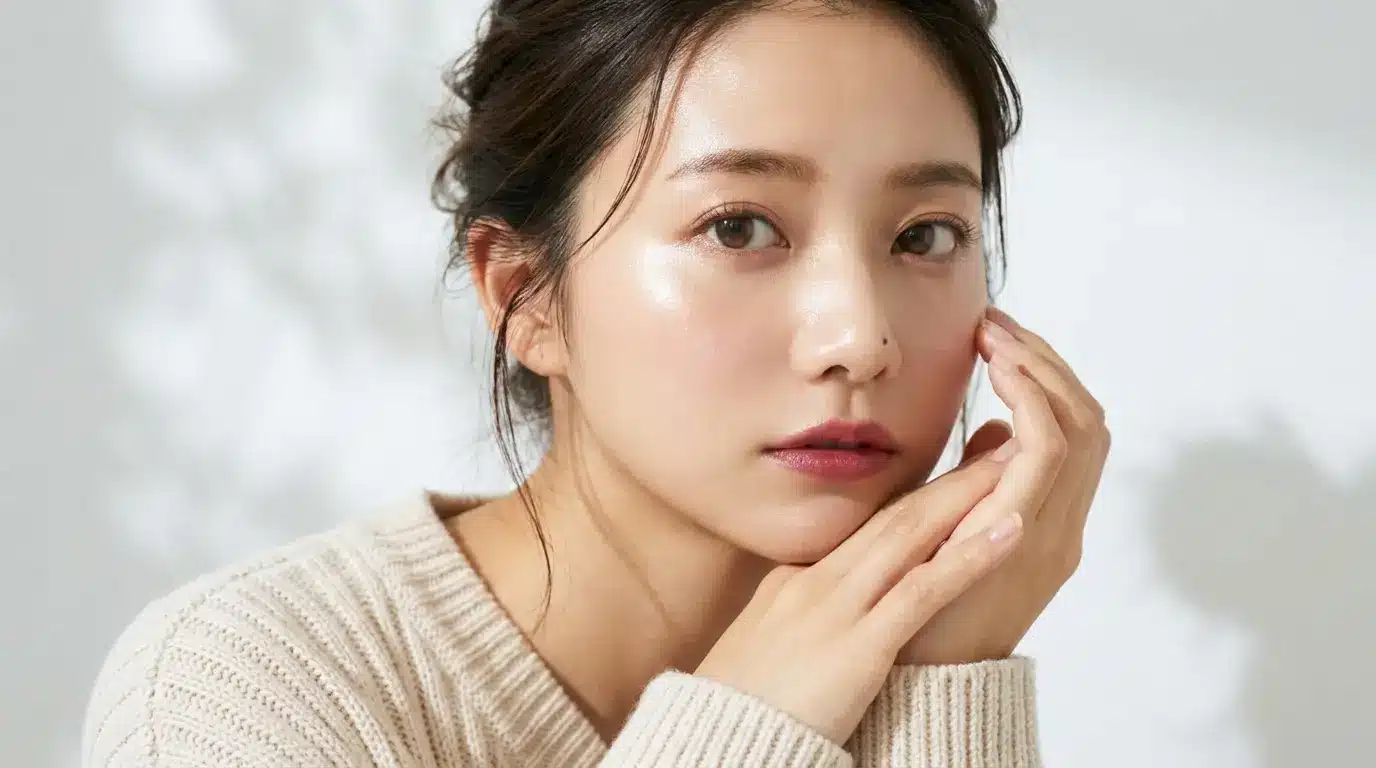
Western beauty chases bronzed skin and bold contouring. Japan spends billions on sunscreen, whitening serums, and UV-protective gloves.
Same planet. Very different mirrors. Japanese beauty standards are not just a list of physical traits.
They are a product of centuries of history, class systems, cultural philosophy, and yes, social pressure.
This blog breaks down what Japanese beauty standards are, where they came from, and how they stack up against Western ideals.
You will also see how younger Japanese women are quietly rewriting the rules. Let’s get into it.
What are Japanese Beauty Standards?
Japanese beauty standards are the physical and behavioral ideals considered attractive in Japan.
They center on fair, flawless skin, a small face, a slim figure, natural-looking makeup, and a soft, gentle personality. These ideals are cultural, not universal, and they keep shifting.
The Core Ideals at a Glance:
- Skin: Fair, even, and blemish-free.
- Eyes: Large, round, double-lidded.
- Face: Small and soft (kogao).
- Body: Slim and petite, with slender legs.
- Makeup: Light, dewy, natural-looking.
- Personality: Quiet, kind, graceful.
These ideals are not fixed. They vary by age group, subculture, and generation. A 19-year-old in Tokyo and a 45-year-old in Kyoto may have very different ideas of what “beautiful” means.
How Japanese Beauty Standards Developed
Japanese beauty did not appear overnight. It grew through ancient court culture, class systems, foreign contact, and modern media. Here is how it evolved.
1. Ancient and Edo Period Ideals (Pre-1800s)
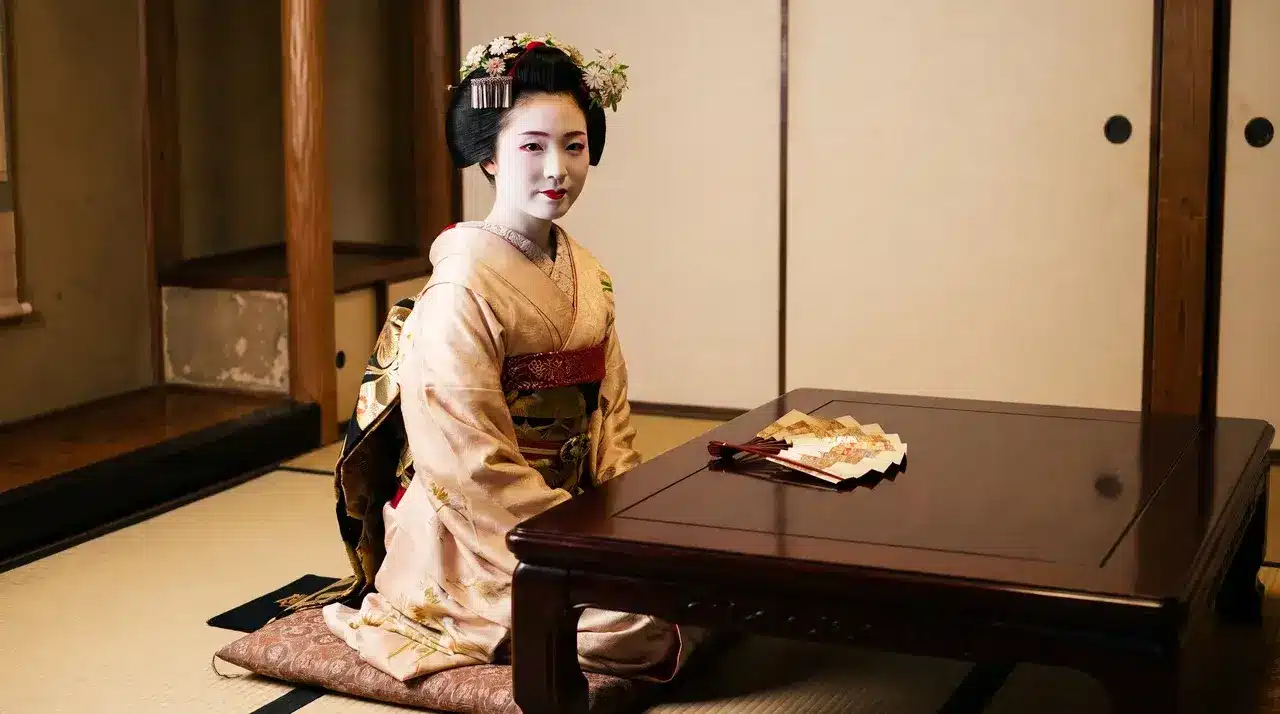
Japan’s earliest beauty ideals were tied directly to social class.
- Pale skin means high status. Lighter skin meant you stayed indoors, away from field labor.
- Women in the Heian period (794–1185) shaved their eyebrows and painted them higher on the forehead.
- Small, red lips painted on top of white-powdered faces were the mark of refined women.
- Oshiroi, white powder made from rice flour, was the foundation of classical Japanese beauty.
- Geisha later became the visual symbol of this traditional ideal: white face, red lips, controlled elegance.
Beauty in this era was less about attraction and more about signaling refinement.
2. Western Influence and The Meiji Era Shift (1860s–1940s)
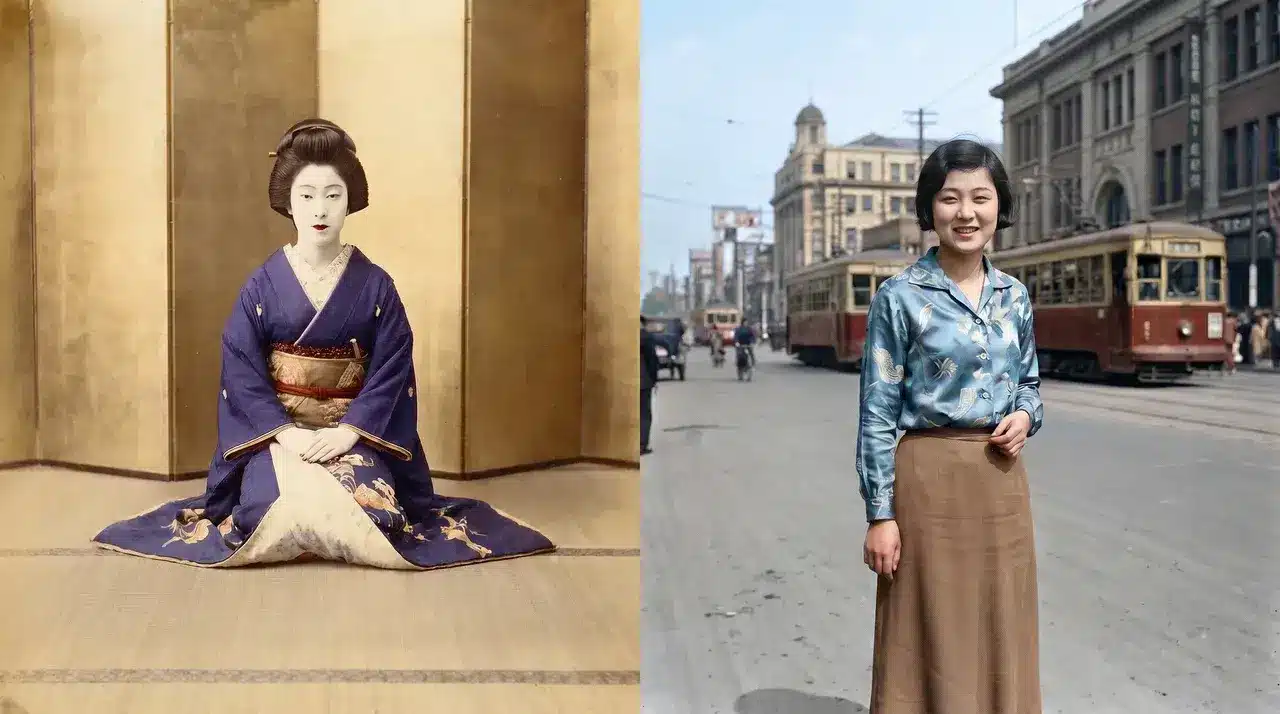
Japan opened its borders, and Western beauty flooded in, changing what “beautiful” meant almost overnight.
- Higher-bridged noses and larger eyes became newly desirable.
- Heavy white powder went out. A more natural skin tone came in.
- The Taisho period (1912–1926) saw more women entering the workforce; beauty shifted toward practicality.
- Western cosmetic brands entered the Japanese market and expanded makeup options.
- Double eyelid surgery began to emerge as cosmetic procedures became more accepted.
Beauty stopped being purely about class. It became personal, modern, and competitive.
3. Blogwar Japan and The Kawaii Revolution (1970s–present)
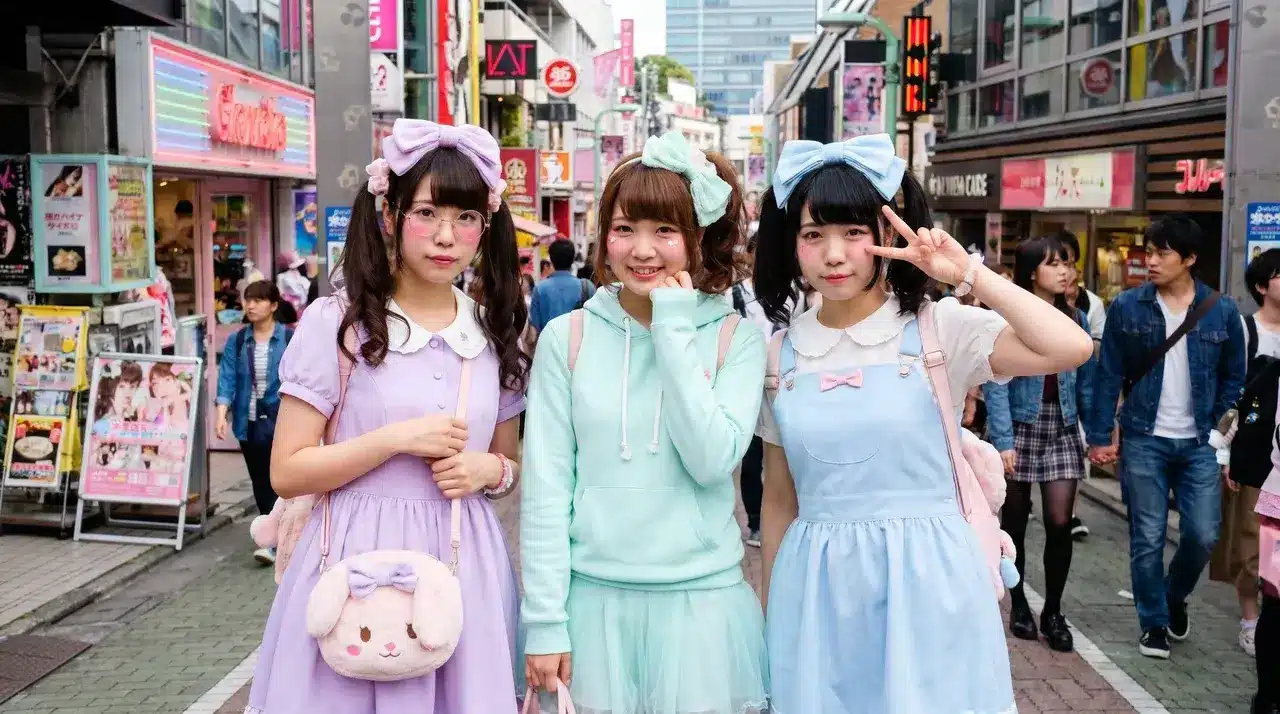
After World War II, American cultural influence reshaped Japan dramatically, and so did a homegrown movement.
- Youthfulness became the new beauty currency in the blogwar period.
- Kawaii culture (meaning “cute”) emerged in the 1970s and became a mainstream beauty standard by the 1980s.
- The kawaii ideal: big, round eyes, soft features, a playful, innocent look.
- Circle lenses, droopy eyeliner, and high-placed blush created a doll-like appearance.
- This was a sharp break from Heian-era elegance, less serious, more sweet.
Today, kawaii sits alongside natural beauty as one of Japan’s most recognized beauty identities.
Key Japanese Beauty Standards Today
Modern Japanese beauty covers skin, eyes, face shape, and body, but it is the philosophy behind each one that makes it different.
1. Skin: Fair, Flawless, and Well-Cared
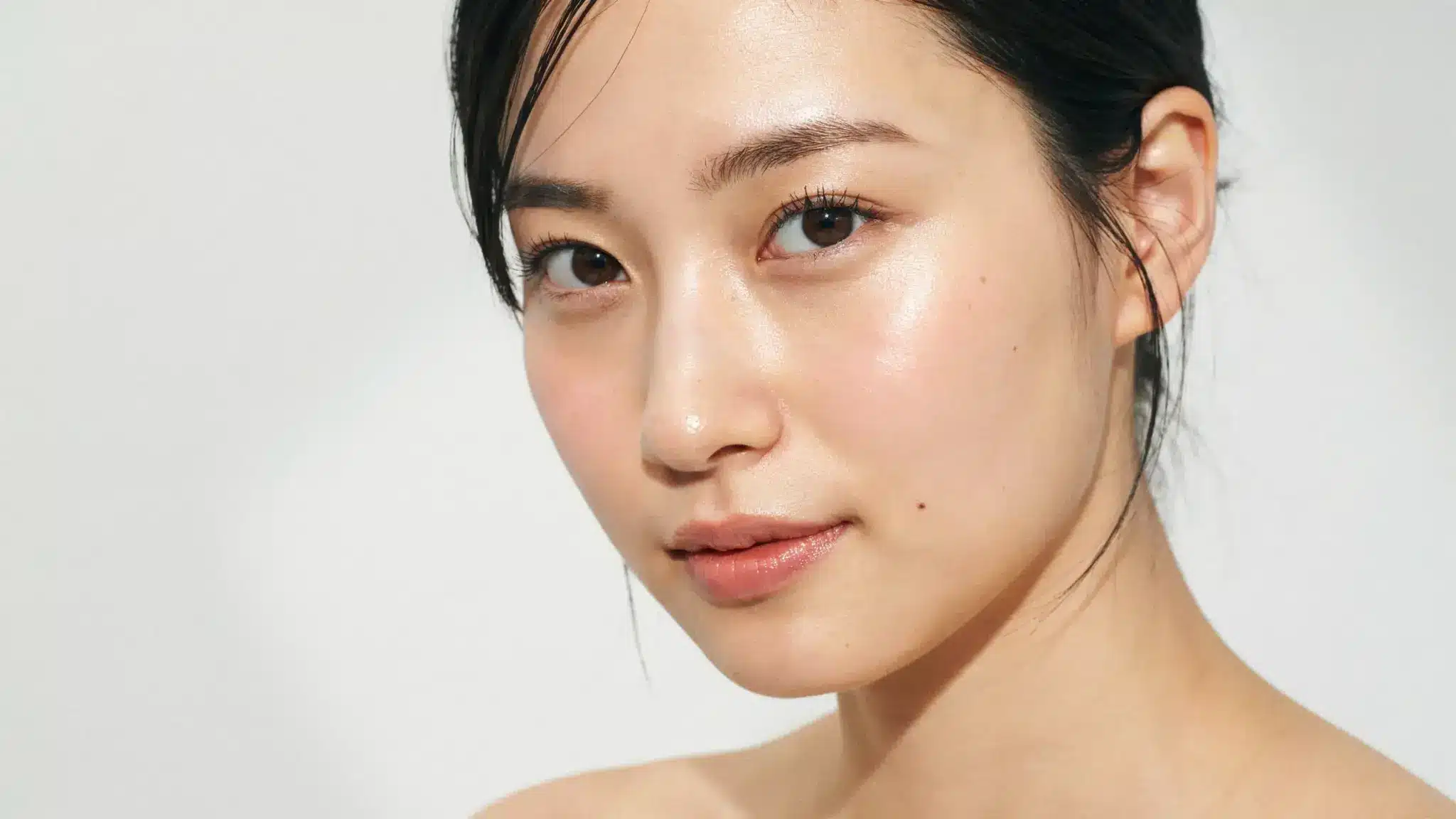
Skin is the foundation of Japanese beauty. Everything else builds on it.
- The old saying still circulates today: “White skin hides seven flaws.”
- Fair, even skin has remained the most consistent beauty standard throughout Japan’s history.
- Japanese beauty prioritizes prevention over concealment, keeping blemishes from forming rather than covering them up.
Common habits include:
- Daily SPF application, even on cloudy days
- UV-protective clothing, arm covers, and gloves
- Rice water for cleansing and brightening
- Green tea applied topically as a natural toner
- Adzuki bean scrubs for gentle exfoliation
The goal is “tsuya-skin,” a luminous, dewy glow that looks like natural radiance, not makeup.
2. Eyes: Big, Round, and Doll-Like
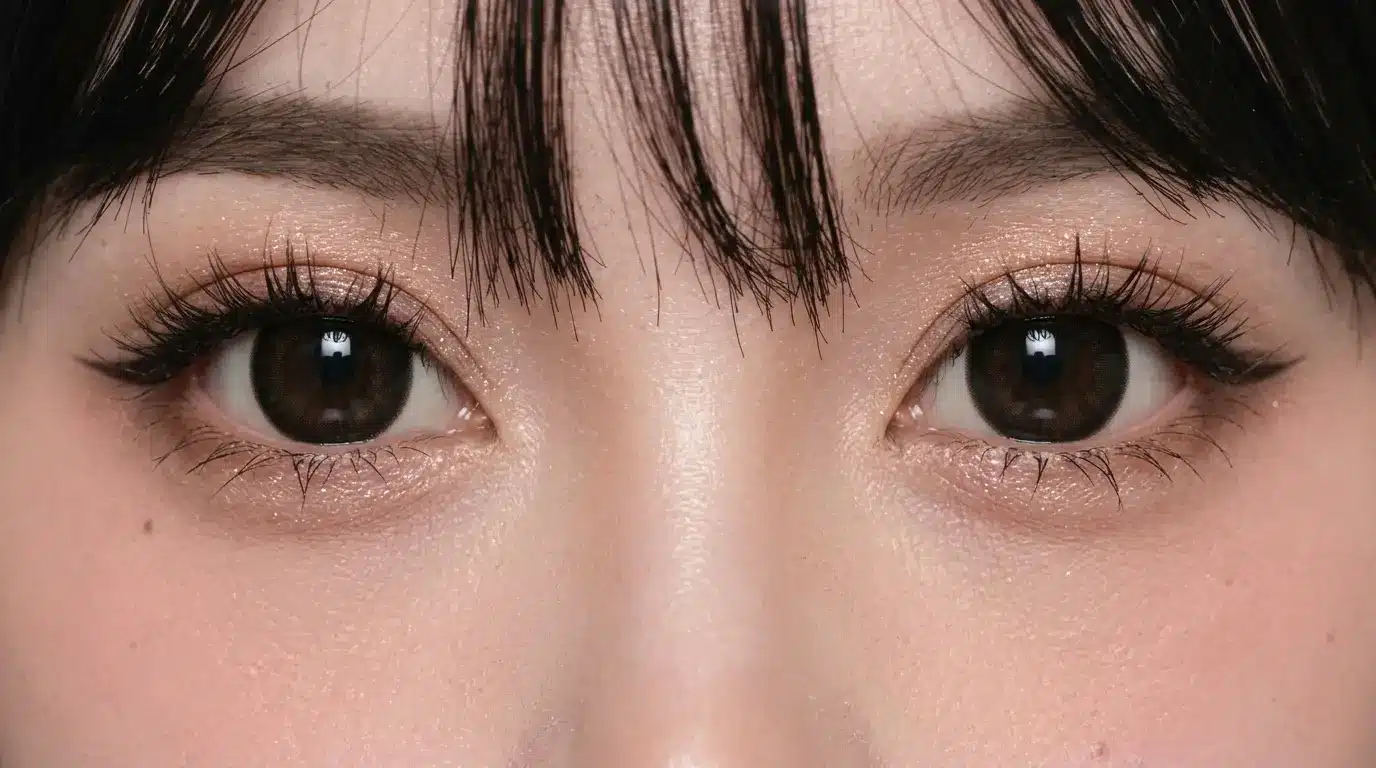
In Japan, larger eyes with double eyelids are widely considered the most attractive eye shape.
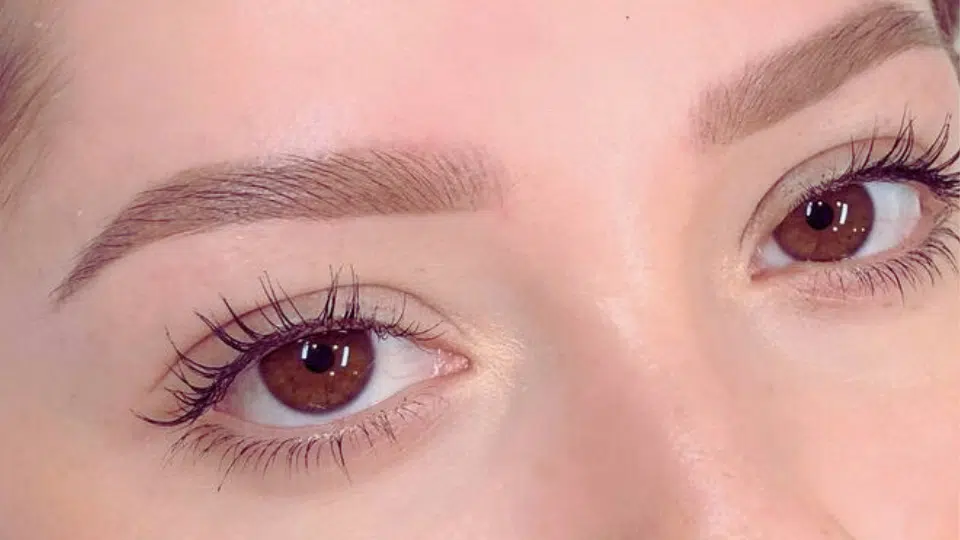
- Double eyelids (a crease above the eye) are considered ideal. They are often created with eyelid tape or glue, circle contact lenses to make the iris appear larger, a droopy lower eyeliner to give a soft “puppy eye” effect, fake lashes, or eyelash perming for length and curl.
- Blepharoplasty (double eyelid surgery) is one of the most common cosmetic procedures in Japan, particularly among younger women. The target look is soft and approachable, not sharp or dramatic.
This differs significantly from Western eye makeup, which often aims for intensity rather than innocence.
3. Face Shape: Small, Soft, and “Kawaii”
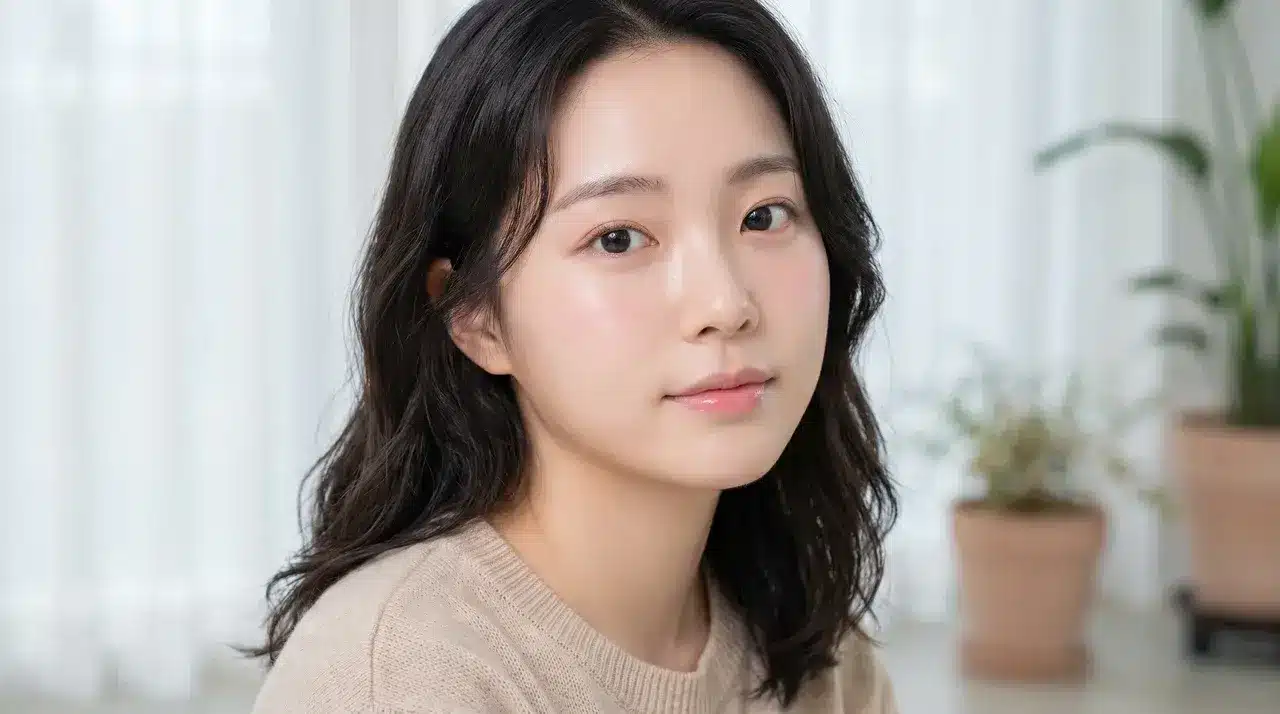
The ideal Japanese face is small. The Japanese term kogao (小顔), meaning “small face,” captures it perfectly.
- A small, rounded face with soft features is considered highly attractive.
- Strong, angular jawlines or defined cheekbones are not the typical ideal in mainstream Japanese beauty.
- Baby-faced features are preferred; they signal youth and approachability.
- Historically interesting: During the Asuka (592–710) and Nara (710–794) periods, chubby, rounded faces were the beauty standard, a sign that you were wealthy enough to eat well.
4. Body: Slim but Graceful, Not Muscular
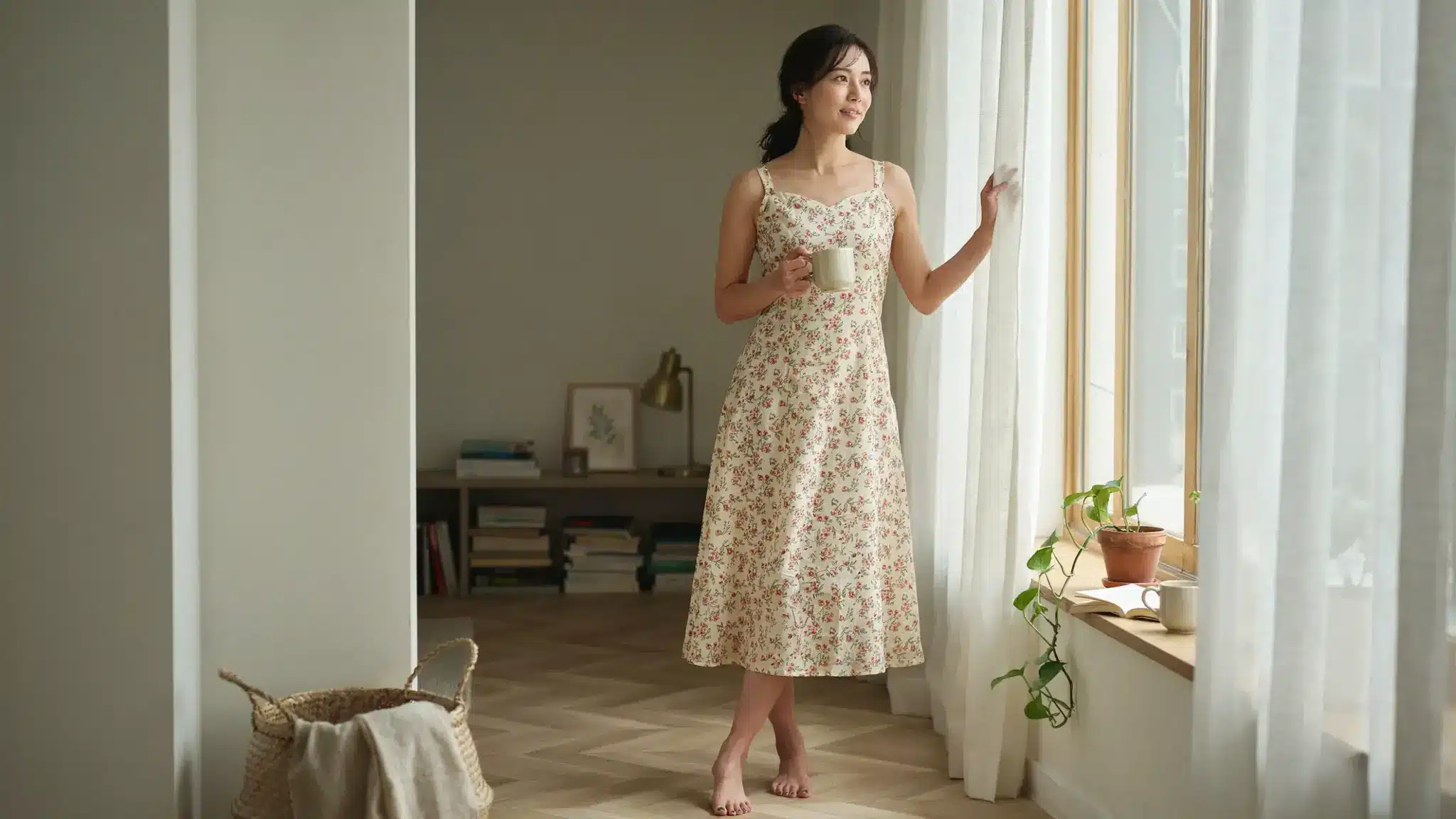
Body ideals in Japan lean toward slim, petite, and graceful rather than athletic or curvaceous.
- A slender figure with slim legs is considered the mainstream ideal.
- blogure and poise matter as much as size; gracefulness is part of the standard.
- Heavy muscularity is not typically celebrated in mainstream Japanese beauty for women.
- Historical contrast: in the Nara period, a fuller, rounder body was seen as beautiful and prosperous.
- Media and fashion continue to promote slim figures, but awareness of diverse body types is growing, especially online.
5.Makeup Philosophy: Natural, Not Transformative
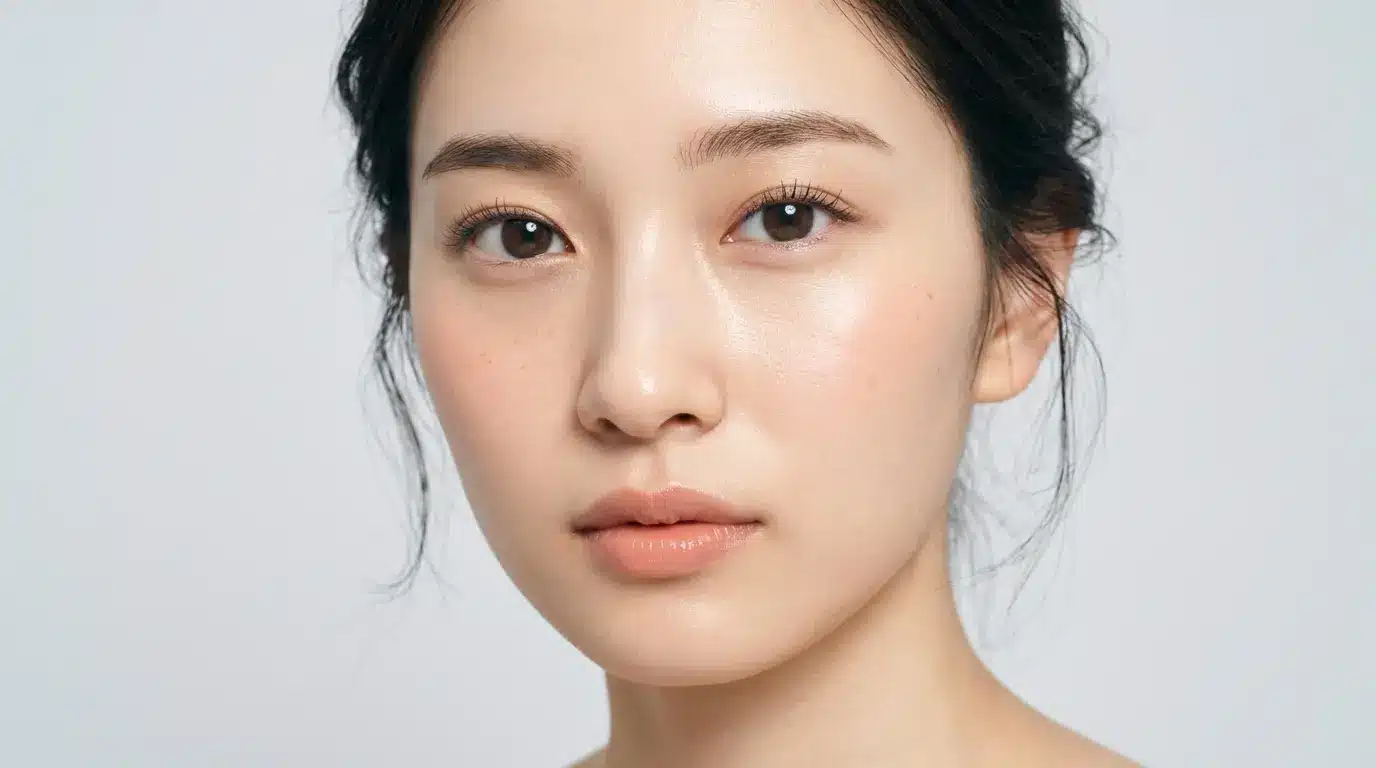
Japanese makeup is built on one idea: enhance what you have, do not change it. The goal is to look well-rested and naturally radiant, not dramatically made up.
Key elements of a typical Japanese makeup look:
- Lightweight, skin-like foundation or BB cream.
- Soft blush applied high on the cheeks.
- Neutral or sheer lip tints, no dark or heavy shades in everyday wear.
- Dewey finished over a matte one.
- The “no-makeup makeup” ideal is so refined that many people cannot tell that a Japanese woman is wearing any makeup.
- This contrasts sharply with Western trends such as heavy contouring, bold eyeshadow, and high-pigment lips.
Pro Tip: Skincare always comes before makeup. That order matters deeply in J-beauty culture.
6. The Yaeba Effect: When Imperfection Is Attractive
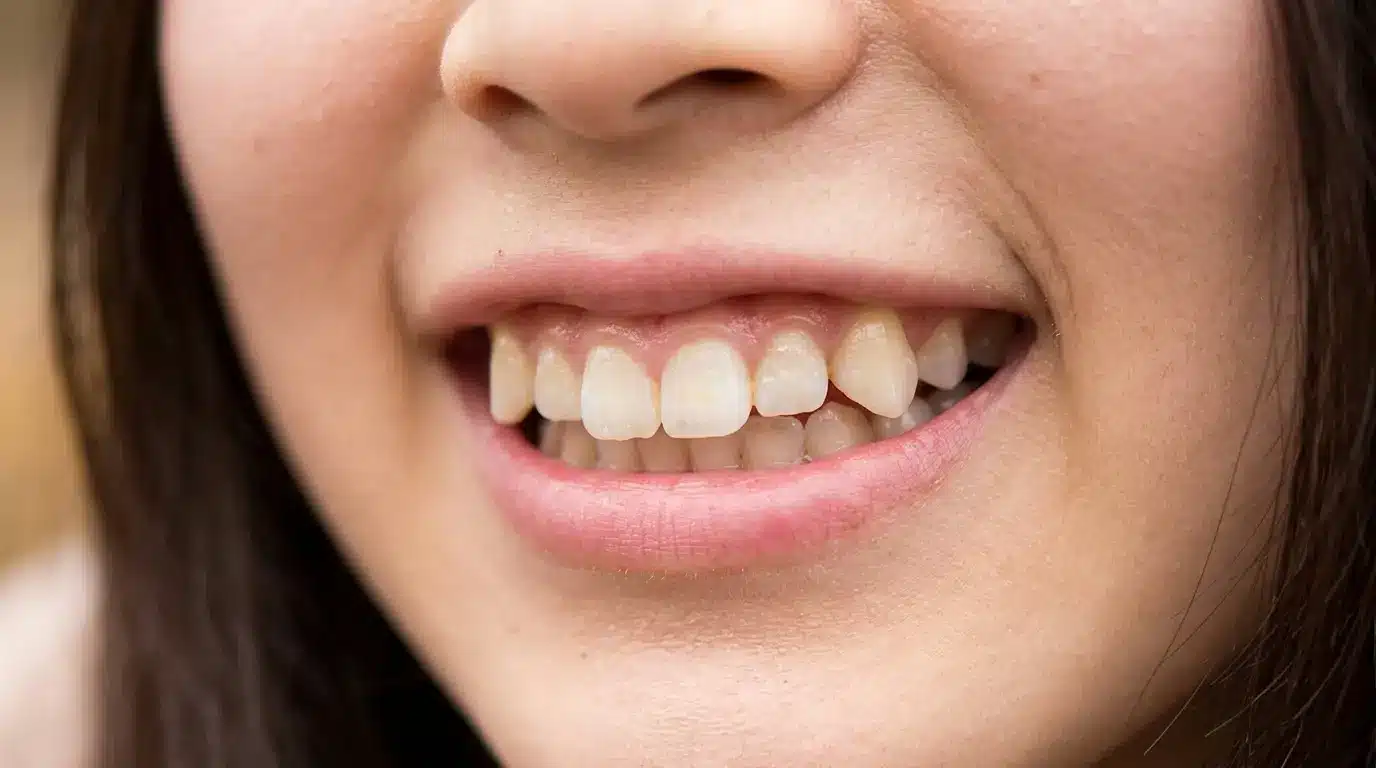
Here is something that surprises most Westerners: slightly crooked teeth are considered beautiful in Japan.
- Yaeba (八重歯) refers to slightly protruding, fang-like upper teeth.
- In Japan, yaeba is seen as endearing and approachable; it makes a woman look less intimidating and more relatable.
- Women have undergone dental procedures specifically to create this look.
- This is the direct opposite of Western beauty, where straight, perfectly aligned teeth are standard.
- The concept ties into wabi-sabi, the Japanese philosophy of finding beauty in imperfection and transience.
Wabi-sabi explains a lot about Japanese beauty. It is not about chasing an impossible ideal. It is about appreciating what is real.
Japanese Beauty vs. Western Beauty
The differences between Japanese and Western beauty go deeper than skin tone. They reflect entirely different cultural values.
Western beauty standardstypically favor bold, defined features, tanned skin, strong contours, athletic builds, and high-contrast makeup.
Here is a quick comparison table:
| Feature | Japanese Beauty | Western Beauty |
|---|---|---|
| Skin tone | Fair, bright, even | Tanned, bronzed |
| Makeup style | Natural, light, dewy | Bold, contoured, pigmented |
| Eye ideal | Big, round, double-lidded | Cat-eye, defined, dramatic |
| Face shape | Small, soft, rounded | Strong cheekbones, defined jaw |
| Body type | Slim, petite, graceful | Athletic, toned, or curvaceous |
| Teeth | Yaeba (slight irregularity is charming) | Straight, perfectly aligned |
| Skincare vs. makeup | Skincare-first, always | Makeup-forward, skincare secondary |
Japanese Beauty for Non-Japanese Women
If you are not Japanese, Japanese beauty standards can feel both inspiring and, at times, exclusive.
Here is an honest look:
- Skin-tone bias is real. Fair skin privilege appears in Japanese advertising, entertainment, and media with significant regularity.
- Darker-skinned visitors or expats often report feeling that standard products or makeup shades are not made for them.
- You do not need to conform to benefit from J-beauty philosophy. The principles translate regardless of skin tone or face shape.
What non-Japanese women can genuinely take from J-beauty:
- Prioritize skincare before reaching for makeup
- Invest in daily SPF; it is the single most effective anti-aging step
- Adopt the “enhance, do not cover” mindset
- Simplify your routine: fewer products, done consistently, work better
Appreciating a culture’s beauty ideals does not mean accepting its pressures.
Conclusion
Japanese beauty standards are not a checklist. They are a reflection of culture, history, and what a society chooses to value at any given moment.
From Edo-period oshiroi powder to kawaii circle lenses, from yaeba teeth to tsuya-skin routines, Japanese beauty has always been evolving.
The constant thread is not pale skin or big eyes. It is the idea that beauty should feel natural, intentional, and quietly earned.
That is something worth thinking about wherever you are from. The West chases tanning beds. Japan stocks UV gloves. Neither is wrong.
Both tell you something real about what people fear losing and what they hope to gain.
Frequently Asked Questions
What Country Has the Strictest Beauty Standards?
South Korea is widely considered the strictest, with intense pressure on skin and face shape and widespread acceptance of cosmetic surgery.
Why are Japanese Girls so Cute?
Japanese beauty culture actively cultivates a soft, youthful, approachable look through kawaii fashion, natural makeup, and gentle facial expressions.
Why do the Japanese Say “Oi Oi Oi”?
“Oi” is a casual Japanese expression meaning “hey.” Repeating it (“oi oi oi”) signals surprise, disbelief, or mild disapproval in everyday conversation.