Does your curly hair feel dry, frizzy, or hard to manage, no matter what you try?
You wash it, condition it, and still wake up with tangles and frizz that ruin your whole look. It’s frustrating when your curls don’t cooperate.
The truth is, curly hair needs a different approach than straight hair. Most people make simple mistakes that damage their curls without even knowing it.
But once you learn the right techniques, managing your curls becomes much easier.
In this blog, I’ll show you practical tips that work for all curl types. These methods will help reduce frizz, add definition, and keep your hair healthy.
Why Curly Hairs Need Special Care?
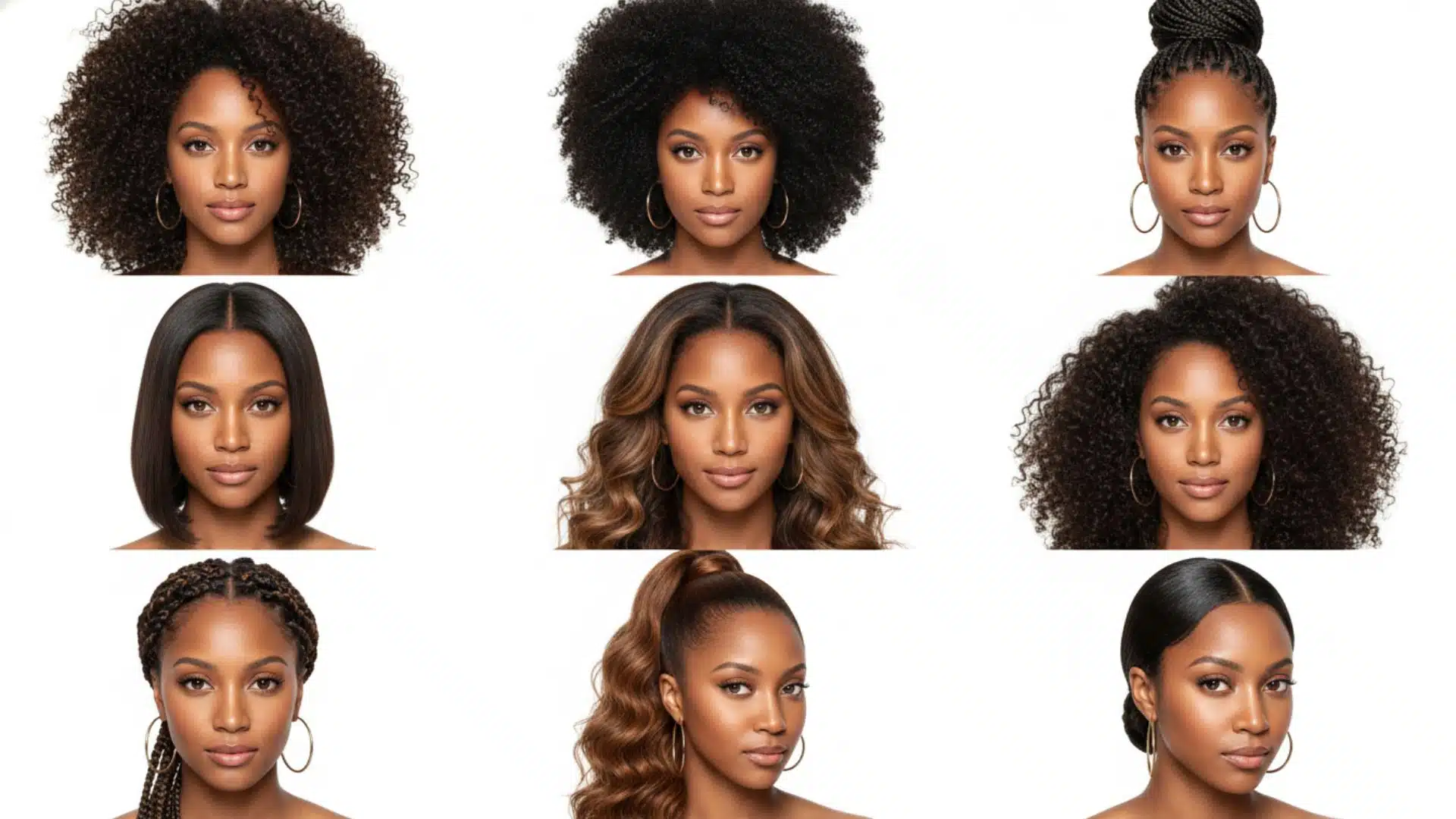
Curly hair has a unique structure that makes it different from straight hair. The natural curl pattern creates specific needs that require special attention and care.
Curls tend to feel rougher because natural oils from the scalp struggle to coat each strand. This makes curly hair more vulnerable to damage, frizz, and breakage compared to other hair types.
Here’s why curly hair needs extra care:
✓ Curls are naturally drier than straight hair.
✓ Prone to frizz and tangles easily.
✓ Harder for natural oils to travel down.
✓ More fragile and breaks more easily.
When you give your curls the right care, they stay healthy and look their best. Following proper care routines helps reduce frizz and keeps curls soft and defined.
How Often Should You Wash and Condition Curly Hair?
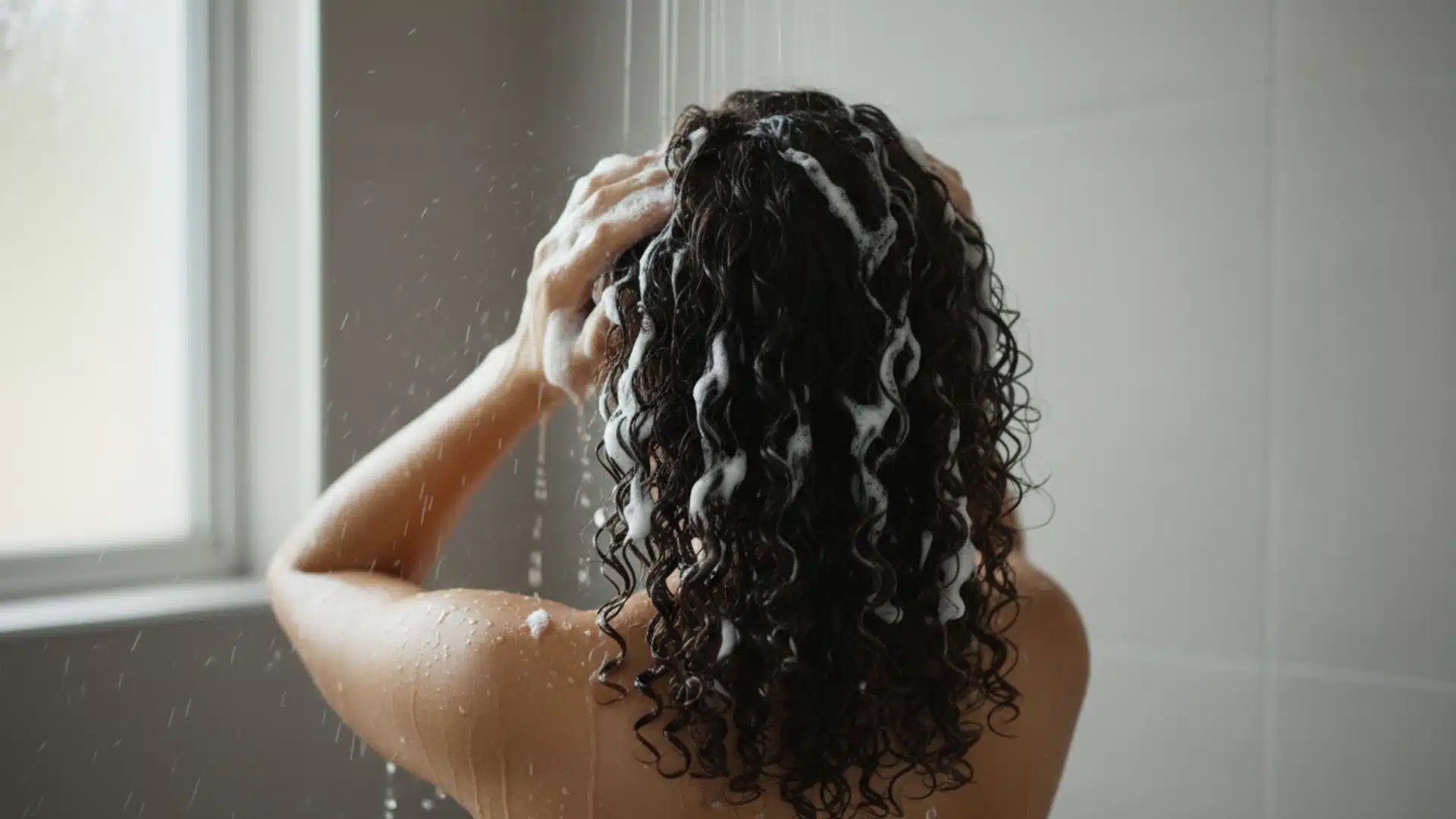
The right washing schedule depends on your hair type and lifestyle. Most people with curly hair should wash 1-2 times per week to maintain moisture and prevent dryness.
Washing Frequency Guide
|
Over-washing strips away natural oils that your curls need to stay soft. If your scalp gets oily or sweaty, you can rinse with water between wash days without using shampoo.
After Washing, Conditioning must be done separately
You should condition every time you wet your hair, even on non-wash days. Deep conditioning treatments work best when done once or twice per month.
Signs your curls need adjustment:
- Dry and stiff texture → Wash less, condition more
- Greasy scalp → Increase washing frequency slightly
- Frizzy ends → Add extra conditioning sessions
Listen to your hair and adjust based on how it feels. Every curl type is different, so find what works best for your specific needs and stick with it.
13 Ways to Take Care of Curly Hair
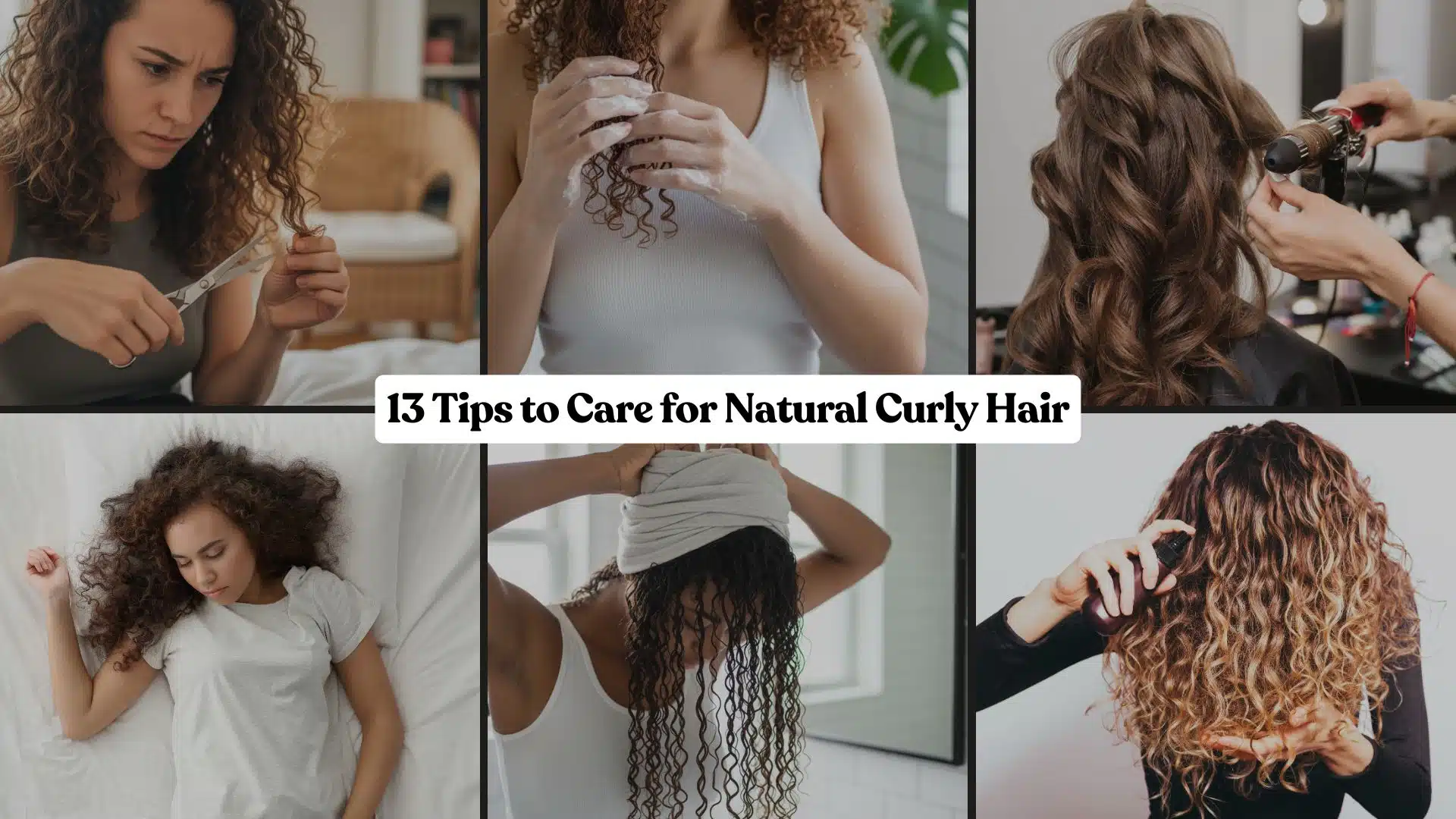
Keeping curly hair smooth and frizz-free doesn’t have to be complicated or expensive. These practical ways will help you manage your curls with ease and get salon-quality results at home.
1. Use a Sulfate-Free Shampoo
Sulfates are harsh cleansing agents found in most regular shampoos that strip natural oils from your hair. For curly hair, this leads to rougher strands and makes frizz build up over time.
Switch to a sulfate-free shampoo that cleans gently without removing moisture. Your curls will feel softer, look shinier, and stay hydrated longer between washes.
2. Deep Condition Regularly
Deep conditioning treatments penetrate the hair shaft and provide rich nourishment that regular conditioner cannot. This extra hydration is essential for keeping curly hair soft and preventing frizz.
Apply a deep conditioner once or twice per month for best results. Leave it on for 20-30 minutes, then rinse thoroughly to reveal bouncy, hydrated curls.
3. Detangle with A Wide-Tooth Comb
Fine-tooth combs and regular brushes can cause breakage and damage to delicate curly hair strands. A wide-tooth comb slides through curls more easily and reduces the risk of pulling or breaking hair.
Always detangle your hair when it’s wet and coated with conditioner for easier glide. Start from the ends and work up to the roots to minimize pain and prevent hair loss.
4. Avoid Brushing Dry Curls
Brushing dry curls disrupts the natural curl pattern and creates frizz that’s difficult to control or fix. Dry brushing also causes static electricity, which makes hair stand up and look messy instead of defined.
If you must style dry hair, use your fingers to gently separate curls instead. This method maintains your curl shape while reducing frizz and keeping your hair looking neat throughout the day.
5. Apply Leave-In Conditioner
Leave-in conditioner provides continuous softness throughout the day without rinsing out. It acts as a protective barrier against humidity and frizz-causing factors.
Apply leave-in conditioner to damp hair after washing, focusing on the mid-lengths and ends. This step keeps curls soft, manageable, and frizz-free for hours without feeling heavy.
6. Use Curl-Defining Cream
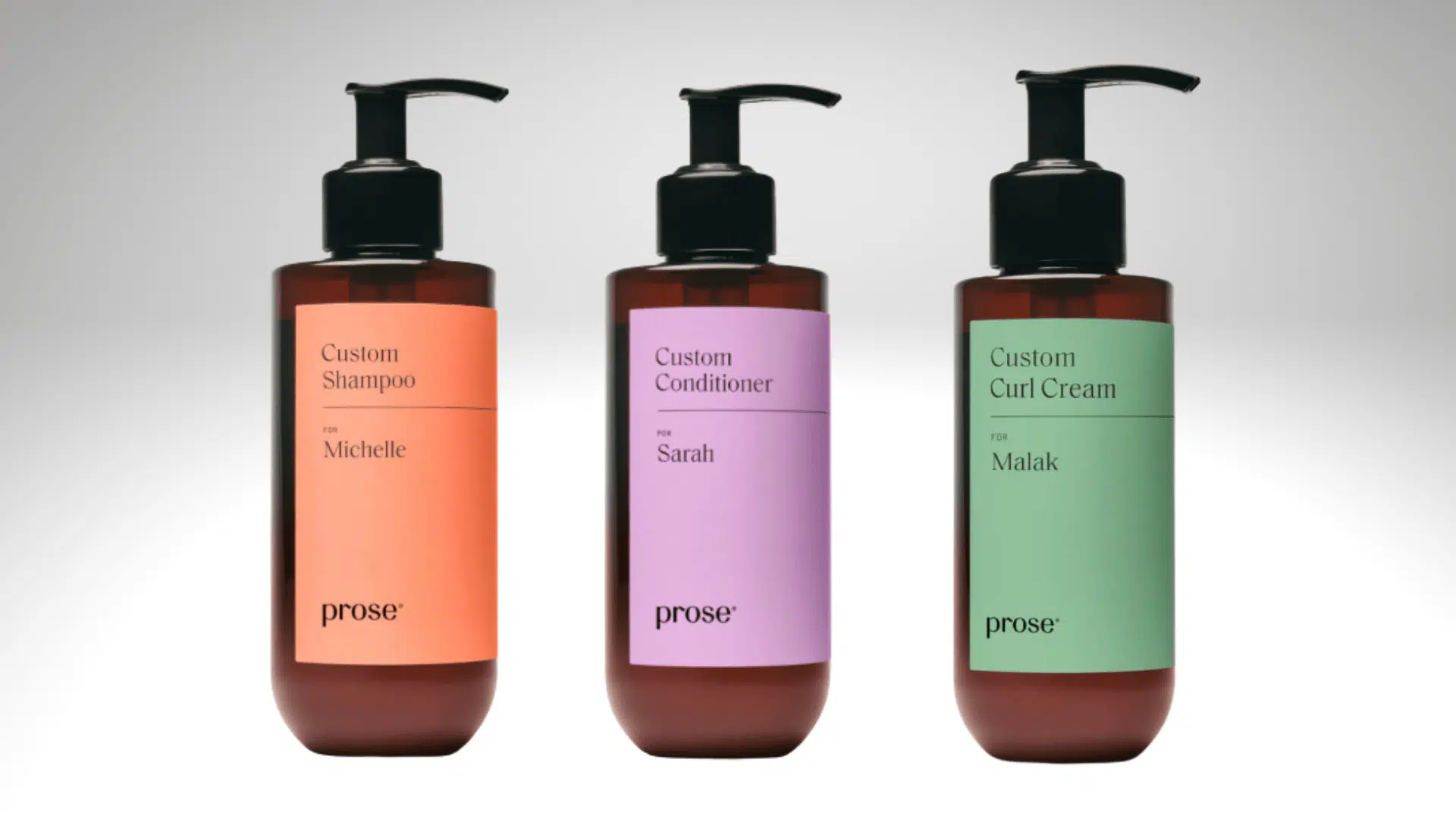
Curl-defining creams help shape and hold your natural curl pattern while reducing frizz. These products add moisture and light hold without making your hair feel crunchy or stiff.
Apply the cream to damp hair by scrunching upward from the ends to the roots. This technique encourages curl formation and helps spread the product evenly for springy, shaped curls.
7. Style Hair when It’s Damp
Styling damp hair allows products to blend in better and helps shape your curls in their natural pattern. Wet hair is too heavy, while completely dry hair won’t accept styling products effectively.
Wait until your hair is about 70-80% dry before applying styling products for best results. This timing gives you the best curl definition and effectively reduces frizz.
8. Dry with A Microfiber Towel
Regular cotton towels have rough fibers that create friction and cause frizz when rubbing against curly hair. They also pull out too much water too quickly, which leaves your hair feeling parched.
Microfiber towels are gentler and soak up water without disturbing the hair cuticle or causing damage. Gently squeeze excess water from your curls instead of rubbing for smoother results.
9. Try the “Plopping” Method
Plopping is a technique in which you wrap damp curls in a t-shirt or microfiber towel. This method helps curls dry in their natural shape without gravity pulling them down.
Leave your hair plopped for 20-30 minutes to set the curl pattern and gently absorb excess water. When you remove the wrap, your curls will be bouncier and more defined.
10. Limit Heat Styling
Heat tools like blow dryers, flat irons, and curling wands damage the hair cuticle and remove moisture from curls. This damage leads to increased frizz, breakage, and dull-looking hair over time.
If you must use heat, always apply a heat protectant spray first and use the lowest setting possible. Air-drying or diffusing on low heat are better options that maintain the strength of your curls.
11. Sleep on A Satin Pillowcase
Cotton pillowcases create friction that roughs up the hair cuticle while you sleep, causing frizz and tangles every morning. The rough texture also absorbs moisture from your hair, leaving curls dry.
Satin or silk pillowcases are smooth and don’t create friction or absorb moisture from your hair overnight. This simple switch helps preserve your curl pattern and noticeably lessen morning puffiness.
12. Refresh Curls with A Water Spray
Day-old curls often lose their shape and start to look frizzy or flat as products fade away. A simple water spray can revive tired curls without requiring a full wash, saving you time.
Fill a spray bottle with water and lightly mist your hair, then scrunch gently to reactivate curls. You can also add a small amount of leave-in conditioner for extra moisture.
13. Trim Ends to Prevent Breakage
Split ends travel up the hair shaft and cause more breakage, frizz, and damage if left untreated for long. Regular trims remove damaged ends and keep your hair healthy, making curls look fuller and bouncier.
Get a trim every 8-12 weeks to maintain healthy hair and prevent split ends from getting worse. Even removing just half an inch makes a noticeable difference in reducing frizz and improving appearance.
Wrapping It Up
To summarize, caring for curly hair is simple once you know what works best for your curl type.
The key is to be gentle, keep strands moisturized, and avoid habits that cause damage or frizz. Small changes in your routine make a big difference.
Remember that every person’s hair is unique, so what works for others might need adjustments for you.
Pay attention to how your curls respond and tweak your routine accordingly. Consistency brings the best results over time.
What are your biggest challenges with curly hair care? Share your thoughts or questions in the comments below!